
Can You Smoke RAW Warning Paper? Safety Guide for Dispensary Customers
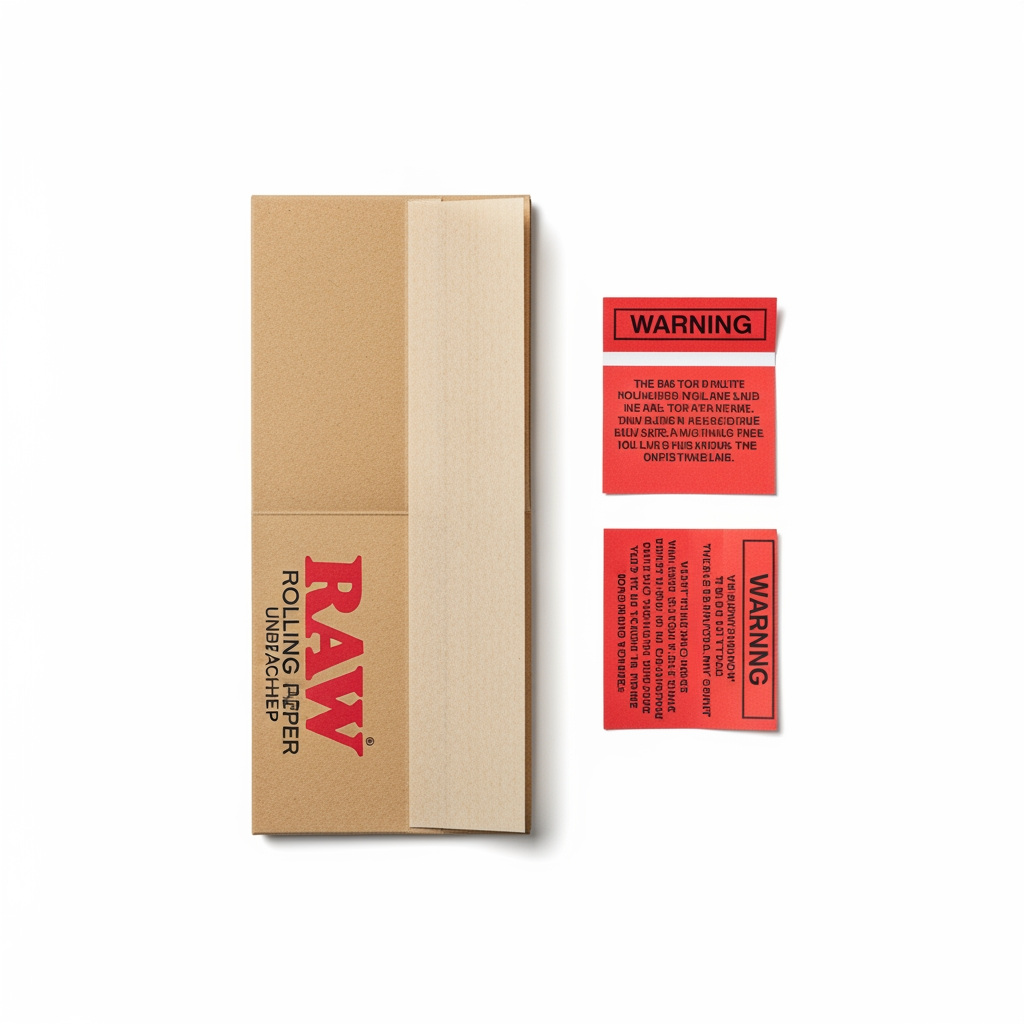
Can You Smoke RAW Warning Paper? Safety Guide for Dispensary Customers
The question "can you smoke the RAW warning paper?" appears in dispensary customer conversations regularly, revealing dangerous misconceptions about what's safe to smoke. The definitive answer: absolutely not - RAW warning papers contain inks, adhesives, and chemical treatments designed for informational purposes, not combustion. Smoking warning papers exposes users to toxic fumes, harsh chemicals, and health risks that no amount of cannabis enjoyment justifies.
This safety guide explains why warning papers are dangerous when smoked, what toxic compounds they contain, proper handling and disposal, and how dispensary staff should educate customers about this surprisingly common safety question while positioning safe, quality rolling paper alternatives.
What RAW Warning Papers Contain: Chemical Composition
Printing Inks and Dyes: Warning papers use industrial printing inks containing heavy metals (lead, cadmium), petroleum-based solvents, and chemical binders optimized for visual clarity and permanence - not safety when burned. These inks release toxic fumes during combustion including volatile organic compounds (VOCs) and potentially carcinogenic particles.
Unlike rolling paper manufacturing that uses minimal food-safe inks or no inks at all, warning slips prioritize information legibility using whatever inks print most effectively. Manufacturers never intended these papers for smoking and take no precautions ensuring combustion safety.
Adhesives and Coatings: Warning papers often include adhesive backing for attachment to paper packages and protective coatings preventing smudging during handling. These chemical treatments release harmful compounds when burned, creating acrid smoke and potentially toxic inhalation exposure.
Paper Base Material: While the paper substrate might be similar to regular paper, warning slips lack the purity standards and combustion testing that legitimate rolling papers undergo. Paper manufacturing for rolling versus printing purposes uses different bleaching agents, sizing compounds, and finishing treatments.
Health Risks of Smoking Warning Papers
Immediate Effects: Users who've accidentally smoked warning papers report harsh, chemical-tasting smoke causing immediate throat irritation, coughing fits, and burning sensations. The unpleasant taste and harshness make completing the joint difficult - your body is rejecting toxic combustion products.
Chemical Exposure: Burning printing inks releases heavy metals and VOCs directly into your lungs at high concentrations. While single exposure unlikely causes acute poisoning, repeated exposure accumulates toxins and creates unnecessary health risks with zero benefits.
Combustion Byproducts: Chemical treatments and coatings on warning papers combust incompletely, creating carbon monoxide, partially-burned chemical residues, and ash containing concentrated toxins. These byproducts are far more harmful than cannabis smoke or even tobacco smoke from proper smoking materials.
Why This Question Arises: Customer Education Gaps
Warning Papers Look Similar to Rolling Papers: The thin paper appearance creates confusion, especially for first-time rolling paper buyers unfamiliar with proper use. Warning slips in RAW packages resemble the rolling papers themselves in texture and thickness, leading some users to assume they're additional smoking papers.
Desperation Scenarios: Customers who run out of rolling papers late at night sometimes consider smoking anything paper-like rather than waiting until dispensaries open. This desperation drives dangerous improvisation including warning papers, receipt paper, or other inappropriate materials.
Dispensaries should stock various rolling paper options at multiple price points ensuring customers always have safe, appropriate alternatives. A customer who can't afford premium papers shouldn't resort to smoking warning slips - stock budget papers at $1.50-2 serving everyone safely.
Lack of Clear Labeling: While "WARNING" appears on these papers, not all customers read carefully or understand the implications. Some assume the warning relates to cannabis use generally rather than the paper itself being unsafe to smoke.
What Dispensary Staff Should Tell Customers
Clear Safety Message: "Never smoke the warning paper - it contains toxic inks and chemicals not meant for burning. Always remove and throw away the warning slip before using your rolling papers. Smoking it could make you sick."
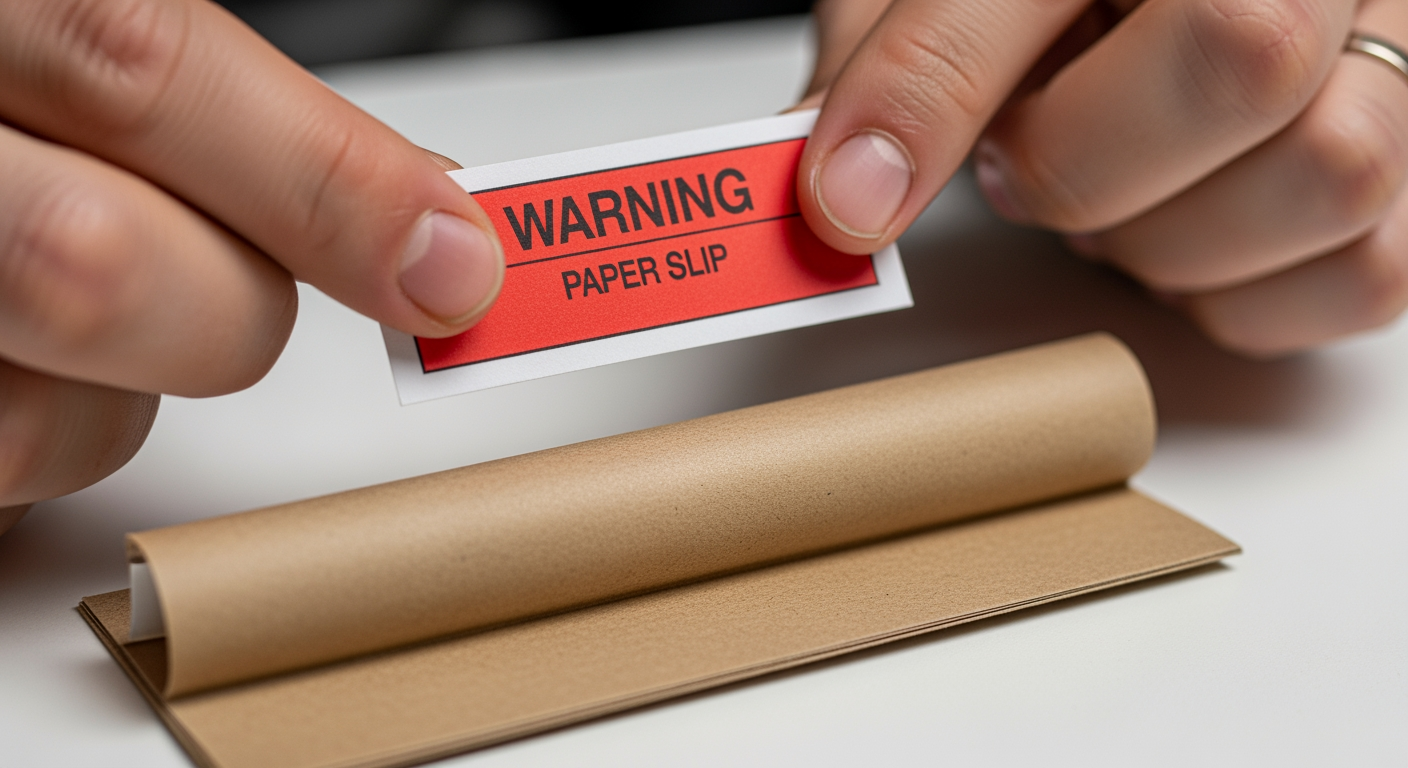
Proper Disposal Instructions: "When you open a new pack of RAW papers, immediately remove the warning slip and discard it in the trash. This prevents any accidental use and keeps only the safe, proper rolling papers."
Alternative Product Positioning: If a customer asks this question out of desperation (ran out of papers), offer immediate solutions: "We have budget rolling papers for $2 that are completely safe. Never use warning papers, receipts, or other non-smoking paper - the health risks aren't worth it."
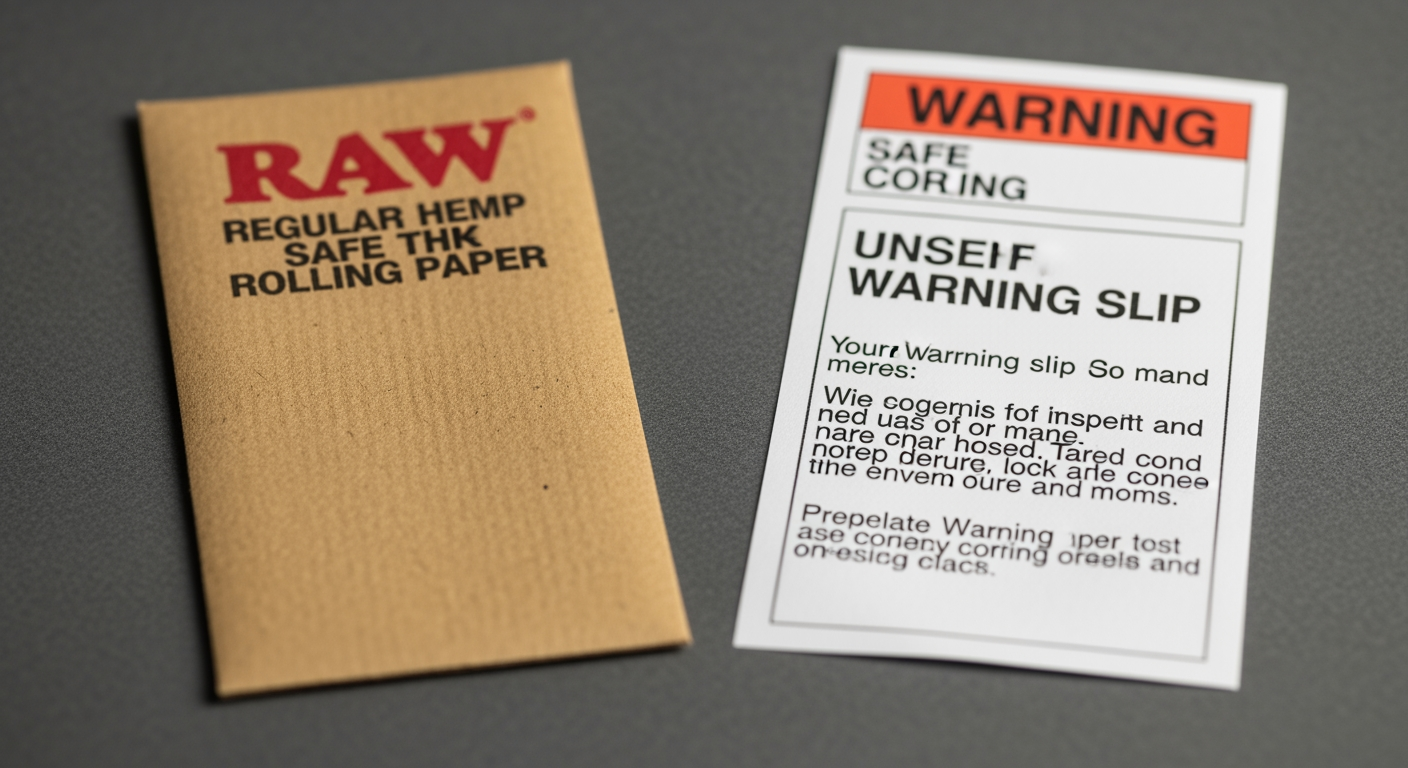
Safe Paper Alternatives: What Customers Should Use Instead
Budget Rolling Papers ($1.50-2.50): Zig-Zag, TOP, and basic hemp papers provide safe, affordable options for every customer. Stock these prominently ensuring price never forces customers toward dangerous improvisation.
Quality Hemp Papers ($2.50-3.50): RAW and quality hemp alternatives offer slow burns and natural materials at accessible pricing. Most customers can afford proper papers making unsafe alternatives unnecessary.
Emergency Options: If customers absolutely must smoke immediately and dispensaries are closed, suggest:
- Pre-rolled cones (stock these for customers who can't/won't roll)
- Pipes or other non-paper consumption methods
- Waiting until morning rather than risking health with inappropriate materials
Other Dangerous Paper Substitutes Customers Ask About
Receipt Paper - Toxic BPA Coating: Thermal receipt paper contains BPA (Bisphenol A) and other endocrine disruptors. Burning receipt paper releases these compounds directly into lungs causing hormonal disruption and toxic exposure. Educate customers that receipt paper is even more dangerous than warning slips.
Notebook or Printer Paper - Bleach and Sizing Chemicals: Standard paper contains bleaching agents, sizing compounds (chemicals making paper smooth and printable), and optical brighteners. These chemicals create toxic smoke and harsh burning. Only papers specifically manufactured for smoking undergo safety testing for combustion.
Bible or Dictionary Paper - Thin But Unsafe: Despite internet myths suggesting ultra-thin bible paper works for rolling, this paper contains inks, sizing agents, and treatments making it inappropriate and potentially harmful for smoking. Thinness doesn't equal safety.
Parchment or Baking Paper - Silicone Coatings: As covered in previous customer safety discussions, parchment paper's silicone or quilon coatings release extremely toxic fumes when burned. This represents one of the most dangerous paper substitutes customers sometimes consider.
Building a Safety-First Culture at Your Dispensary
Proactive Education: Don't wait for customers to ask dangerous questions. Include safety information cards with rolling paper purchases: "Remember: Only smoke the rolling papers themselves. Always remove and discard warning slips, packaging, and any non-paper items."
Budget Options Prevent Desperation: Customers resorting to smoking inappropriate materials usually face budget constraints or late-night emergencies. Address both through:
- Stocking ultra-budget rolling papers ($1.50-2) eliminating cost barriers
- Extended hours when possible serving late-night customers
- Loyalty programs rewarding customers with free paper packs
- Emergency paper samples (give customers a few papers if they're truly desperate)
Staff Training on Safety Questions: Train all staff to recognize and address safety questions seriously rather than dismissively. The customer asking about smoking warning paper may feel embarrassed - handle sensitively while providing clear, accurate information.
Related Safety Concerns: Complete Customer Education
Proper Rolling Paper Storage: Explain that rolling papers should be stored in dry, airtight conditions preventing moisture absorption that affects rolling and burning. Damp papers tear easily and burn unevenly.
Checking Paper Expiration and Quality: While rolling papers don't technically expire, old papers can develop musty odors, adhesive degradation, or moisture damage. Customers should use papers within 1-2 years of purchase for best results.
Recognizing Counterfeit Papers: Fake RAW papers sometimes contain inferior materials or harmful additives. Buy only from authorized retailers (like dispensaries) rather than questionable online marketplaces ensuring product authenticity and safety.
FAQs About RAW Papers and Smoking Safety
Q1: What should I do with the RAW warning paper?
A1: Remove it immediately when opening a new pack and throw it in the trash. Never smoke it or save it - it has no use except conveying the health warning message.
Q2: Are RAW papers themselves safe to smoke?
A2: Yes, RAW rolling papers are manufactured specifically for smoking using unbleached hemp and natural gum arabic. They undergo safety testing and quality control ensuring they're as safe as any smoking paper can be.
Q3: What if I accidentally smoked part of a warning paper?
A3: If you realize quickly and stop, single minimal exposure is unlikely to cause serious harm, though you may experience throat irritation and harsh taste. Drink water, get fresh air, and never repeat the mistake. If you experience severe symptoms, seek medical attention.
Q4: Can I use the warning paper for anything else?
A4: There's no practical use for these small paper slips. They're intended as one-time information delivery and should be discarded after reading.
Q5: Are other rolling paper brand warnings equally dangerous?
A5: Yes - any warning slip, informational insert, or packaging material from any brand (Elements, Zig-Zag, OCB, etc.) contains inks and treatments making it unsafe to smoke. This applies to all rolling paper brands universally.
Conclusion: Safety First, Always
Customer safety questions deserve serious, accurate answers even when they seem obvious. The customer asking about smoking warning papers may be a first-timer genuinely confused, someone in a desperate situation, or a person who didn't think through the implications. Regardless, providing clear, non-judgmental education protects customers while building your dispensary's reputation as a knowledgeable, responsible operation that prioritizes customer wellbeing over just sales.
Stock appropriate paper options spanning budget to premium ensuring every customer accesses safe smoking materials regardless of financial situation. This approach eliminates desperation-driven dangerous improvisation while generating consistent paper category revenue.
Ready to ensure your customers always have safe, quality rolling paper options? Explore MunchMakers' wholesale rolling papers from budget-friendly to premium custom-branded options serving every customer need safely and profitably.