
Healthiest Rolling Papers 2025: Top Brands for a Better Smoking Experience! - MunchMakers
Healthiest Rolling Papers: Your Guide to the Best Brands in 2026
Jump to Navigation
Introduction
When it comes to enjoying your favorite herbs, the choice of rolling paper can make a significant difference in both the experience and health implications. With numerous brands and types available, understanding the spectrum of rolling paper brands is essential for enthusiasts. This guide will explore the various materials, popular brands, and key factors to consider, helping you discover the healthiest rolling papers as we move through 2026.
What Are Rolling Papers?
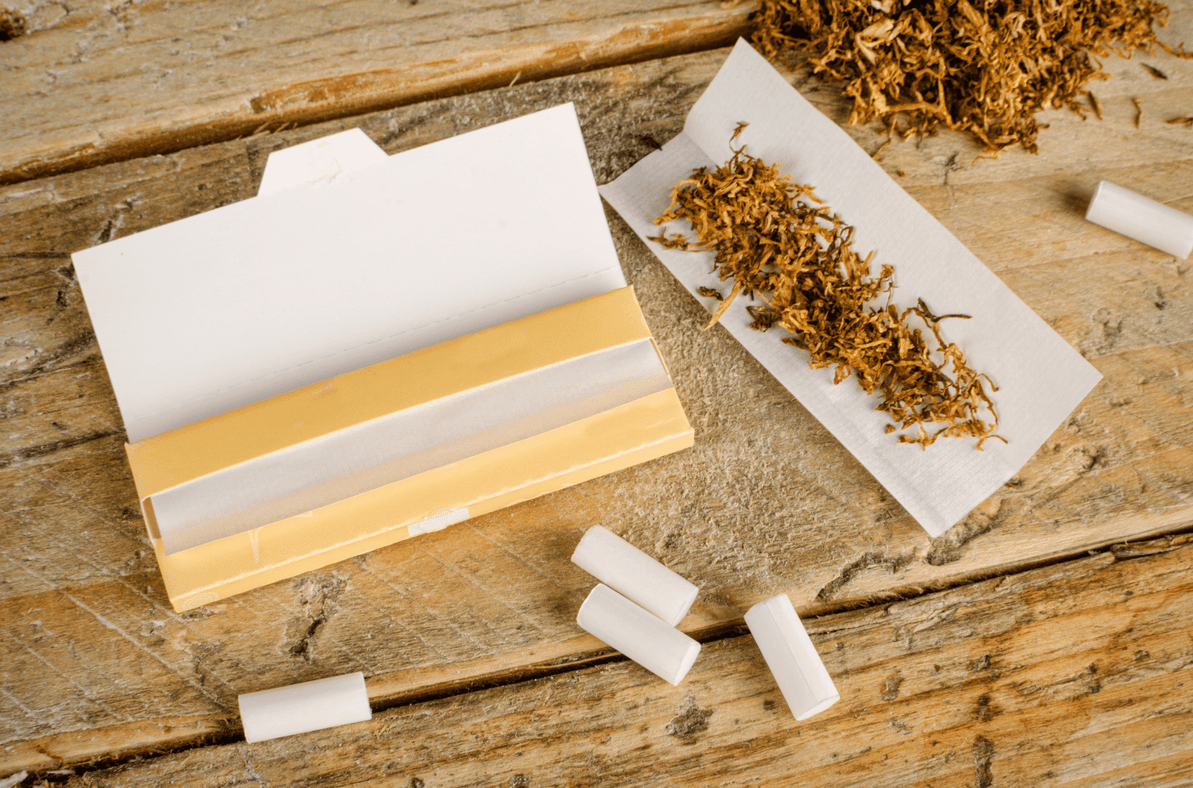
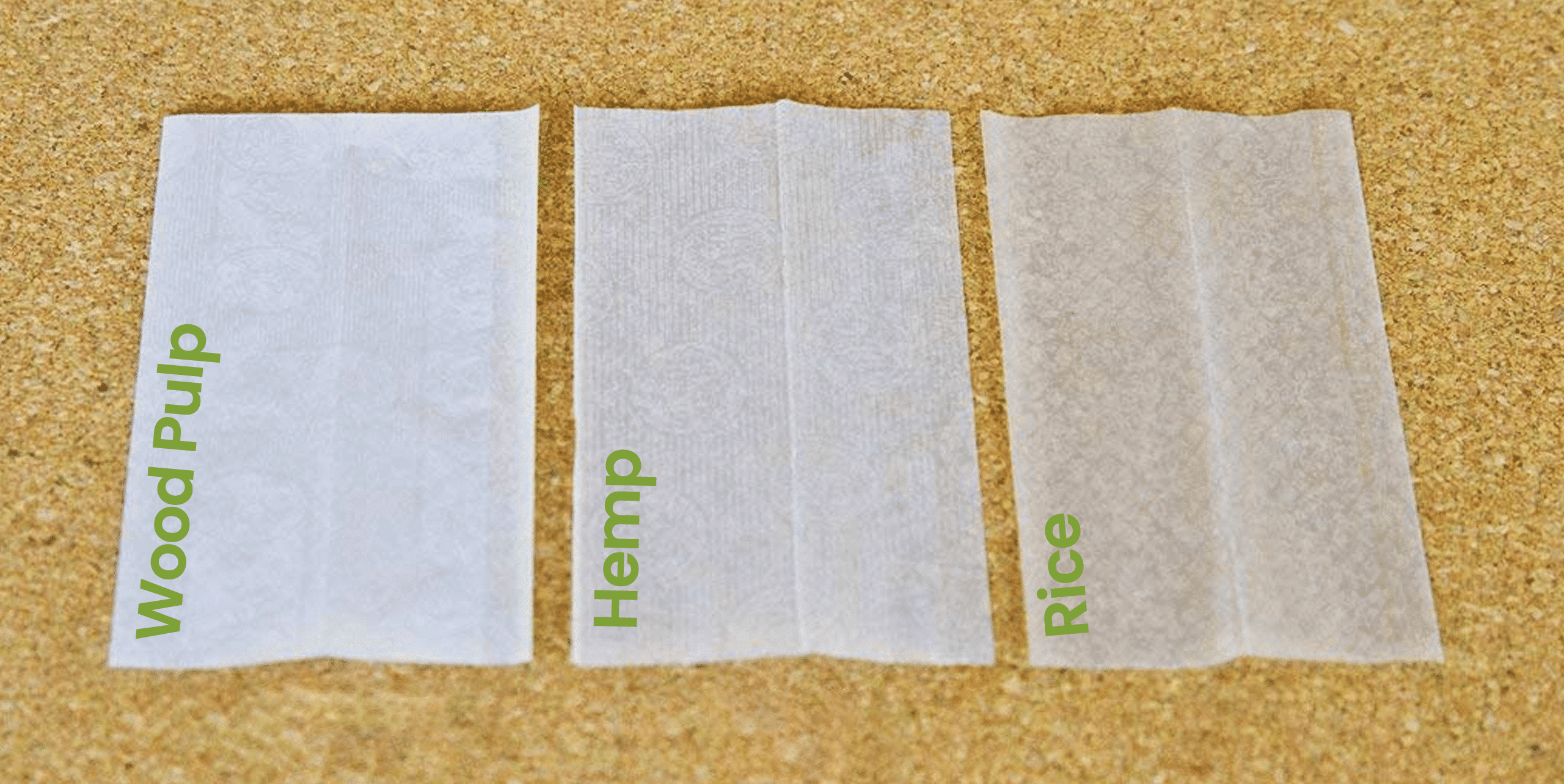
Rolling papers are thin sheets of paper, often made from plant-based fibers, designed to encase and smoke materials like tobacco or cannabis. They are a crucial component of the smoking experience, and their quality can significantly impact the overall enjoyment. The material composition of a rolling paper—be it hemp, rice, flax, or wood pulp—defines its core characteristics.
Hemp Papers
Known for their durability and slow, even burn rate, hemp papers are a popular, eco-friendly choice made from natural fibers that impart minimal flavor.
Rice Papers
Often ultra-thin and made from processed rice, these papers are prized for producing a clean, pure smoking experience with almost no aftertaste and almost no ash. They can be tricky for beginners to handle due to their delicate nature.
Wood Pulp Papers
These are the classic, traditional rolling papers. They are generally thicker and easier to handle, making them a popular choice for beginners, though they may burn faster and add a slight paper taste.
Flax Papers
Made from the flax plant, these papers are silky, thin, and burn slowly, offering a smooth experience similar to rice papers.
Understanding these differences is the first step toward choosing the right rolling paper to enhance your smoking sessions.
Features and Benefits
Choosing the right rolling paper is more than just a matter of preference; it can affect the taste, burn rate, and even your health. Here's what to consider when exploring different rolling paper brands:
Material
As discussed, papers come in a variety of materials, including hemp, rice, and wood pulp. Each material offers a unique smoking experience, with unbleached, organic hemp often being touted as one of the best rolling papers for health.
Thickness
The thickness of rolling papers can impact the burn rate and the amount of smoke produced. Thinner papers, like rice paper, tend to offer a more flavorful experience with less paper smoke, while thicker papers may be easier for beginners to handle.
Flavor
Some rolling papers are infused with flavors, which can enhance your smoking session. However, it's essential to ensure these flavors come from natural sources if health is a priority.
Adhesive
The "gum" line on a rolling paper is what seals the joint. Most quality brands use natural gum, such as acacia gum, which is tasteless, non-toxic, and provides a clean seal for a healthier experience.
Eco-Friendliness
As more people become conscious of their environmental impact, many brands are now offering non toxic rolling papers that are organic, unbleached, and free from heavy metals. Choosing these papers reduces exposure to heavy metals and other harmful substances, contributing to a healthier choice for both you and the planet.
Natural and organic papers are considered safer alternatives to traditional options that may contain added chemicals.
With these features in mind, you'll be better prepared to select the best rolling papers 2026 has to offer, focusing on both quality and health. For example, brands like OCB and RAW are popular for their commitment to natural materials, while Shine 24K Gold Rolling Papers add a touch of luxury to the experience.
Paper Characteristics
When selecting rolling papers, understanding the unique characteristics of each type can significantly affect your smoking experience. The material composition—whether it's hemp rolling papers, wood pulp papers, or rice paper—plays a crucial role in how the paper burns, the flavor it imparts, and the health implications of the smoke produced.
Hemp rolling papers are crafted from natural hemp fibers, offering a slow, even burn that many users appreciate for its smoothness and minimal interference with the taste of your herbs. Their organic material composition means fewer additives, making them a popular choice for those seeking a cleaner, more natural smoking session.
Wood pulp papers are the traditional go-to for many smokers. These papers are typically thicker, which makes them easier to roll and handle, especially for beginners. However, the thickness and density of wood pulp can lead to a faster burn rate and a more pronounced paper taste, which may slightly alter the flavor of your smoke. Some wood pulp papers may also contain additives to improve burn consistency, so it's important to check for options that are free from unnecessary chemicals if health is a priority.
Rice paper stands out for its ultra-thin, almost transparent sheets. Made from processed rice, these papers burn slowly and produce very little ash, allowing the natural flavors of your herbs to shine through. However, their delicate nature can make them a bit challenging to roll, especially for those new to the process.
The thickness of the paper and the presence of any additives can significantly affect both the burn rate and the overall health implications. Thicker papers tend to burn faster and may produce more smoke, while thinner papers like rice or fine hemp offer a cleaner, more flavorful experience with less paper smoke. Additives, such as burn enhancers or flavorings, can also impact the healthiness of the smoke produced, so opting for papers with minimal, natural ingredients is always a wise choice.
By paying attention to these key characteristics—material composition, thickness, and additives—you can make an informed choice that enhances your smoking sessions and aligns with your health considerations. Whether you prefer the classic feel of wood pulp, the eco-friendly benefits of hemp, or the purity of rice paper, understanding these differences will help you find the right rolling paper for your needs.
Health Considerations
Bad news: Many mass-produced, cheaper rolling papers may contain cancer causing chemicals, such as toxins, pesticides, and other additives. These substances can lead to health problems, including respiratory irritation and increased risk of serious conditions. The presence of these additives significantly increases health risks for consumers.
When choosing rolling papers, health should be a primary concern. Opting for papers made from organic materials with a focus on health benefits is key to a safer smoking experience.
Look for papers that are explicitly labeled as "unbleached," "organic," or "chlorine-free." Unbleached papers have a natural, light brown color and ensure you are not inhaling the byproducts of industrial bleaching agents. Brands that prioritize natural materials, such as pure hemp or rice straw, are generally considered healthier choices.
By prioritizing these health-conscious options, you can enjoy your smoking sessions with greater peace of mind.
Buying Considerations
When searching for the right rolling paper brand, here are some key considerations to keep in mind:
Health-First Approach
If health is your priority, look for brands that are transparent about their ingredients and are free from harmful chemicals, bleach, and artificial additives. Avoid flavored rolling papers, as they often contain artificial additives and added chemicals that can pose health risks. Papers made from pure, organic hemp or rice are often considered the healthiest options.
Brand Reputation
Some brands, like RAW, OCB, Elements, and Zig-Zag, have established themselves as industry leaders due to their long-standing commitment to quality and consistency. Zig-Zag, in particular, is known for using a safer whitening process, though it's important to note that some flavored versions can still pose health concerns. Researching user reviews and testimonials can help you make a more informed choice.
Price vs. Quality
While it may be tempting to choose the cheapest option, investing in higher-quality papers almost always results in a better, smoother, and more flavorful smoking experience. Consider your budget in relation to your smoking habits.
Availability
Make sure to choose a brand that is easily accessible in your area or online. Popular brands often have a wide range of products and sizes, making it easier to find what suits your specific needs.
The material used in rolling papers can significantly affect how the paper burns, influencing the entire smoking experience. Characteristics such as thickness and additives impact the combustion properties of the paper, affecting both flavor and usability.
Additional Features and Perks
Beyond material and health, several other features can enhance your rolling experience. Some papers come packaged with filter tips, providing stability and filtration. Others offer unique flavored options to add a twist to the session—note that some flavored papers are made with cellulose, a material also used in toilet paper, napkins, and tissues. Premium brands may even include extras like packing sticks or humidity packs. Consider the size (e.g., 1 1/4, King Size) and burn rate to tailor the experience perfectly to your needs. With so many options available, taking the time to choose the right paper can make all the difference.

FAQs
Conclusion
Choosing the right rolling paper brand is a crucial decision that can significantly enhance your overall smoking experience. By considering factors such as health, material, brand reputation, and personal preference, you can make an informed choice that suits your needs. Remember to explore the different types of rolling papers available, from classic wood pulp to organic hemp, and find what resonates with your personal style. As we move through 2026, the market continues to evolve, offering even more innovative and health-conscious options without compromising on quality. Happy rolling!
Ready to stock premium rolling papers for your dispensary?
Explore Custom Rolling Papers →