
Grinder Materials: Aluminum vs Titanium vs Steel Guide
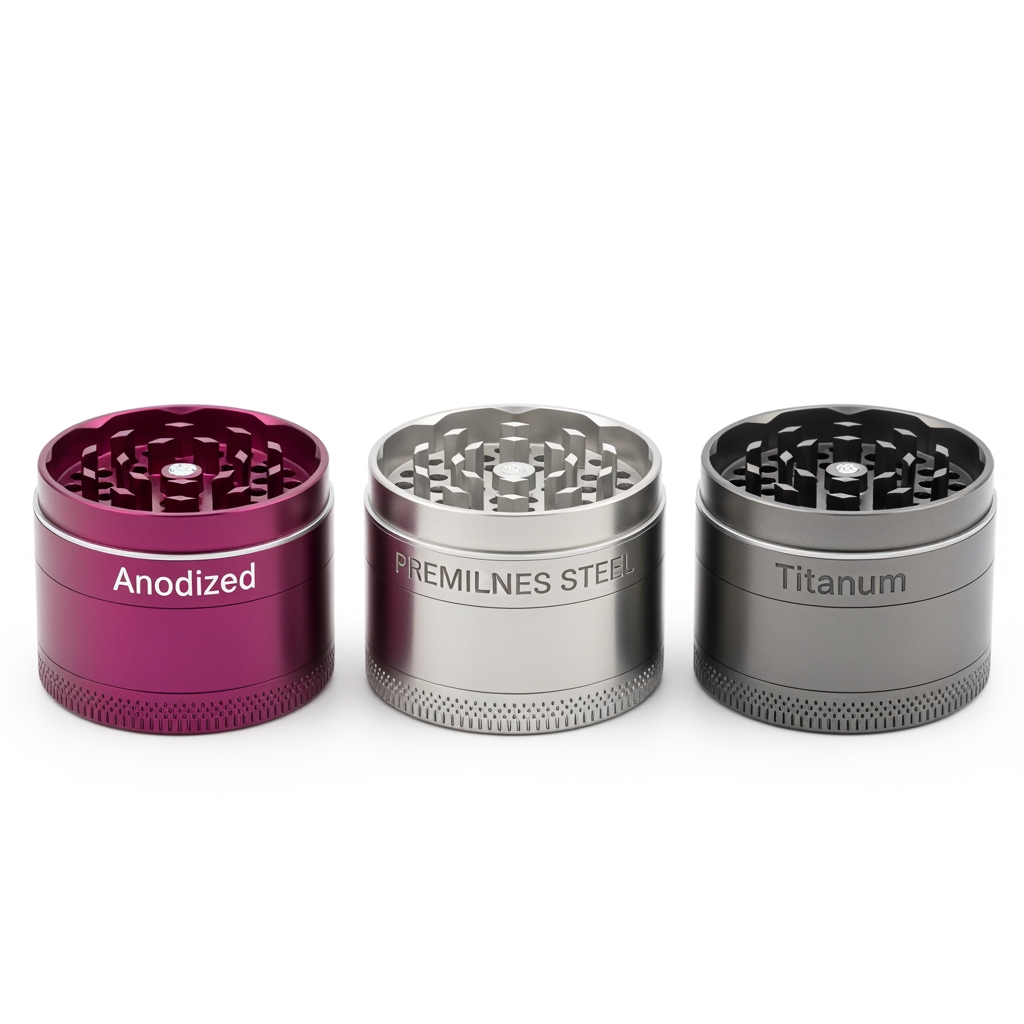
Grinder Material Comparison: Aluminum vs Titanium vs Steel Performance Analysis
Grinder material selection fundamentally determines product durability, weight, performance longevity, and pricing - yet material specifications remain poorly understood by most customers and many retailers treating all metal grinders as equivalent. Understanding aluminum alloy grades, titanium performance advantages, stainless steel durability characteristics, and how materials affect tooth edge retention helps dispensaries educate customers about value differences while justifying premium pricing for superior materials that deliver measurably better long-term performance.
This comprehensive material analysis examines engineering properties, real-world performance characteristics, cost-benefit relationships, and customer segmentation for aluminum, titanium, and steel grinders. Whether dispensary buyers evaluate wholesale grinder options or staff need education explaining why titanium grinders cost 3X aluminum equivalents, this guide provides material science insights translated into practical business intelligence and customer value propositions.
Material Properties Fundamentals: Why Construction Matters
Understanding basic material science helps predict grinder performance and longevity from specifications rather than just marketing claims and pricing.
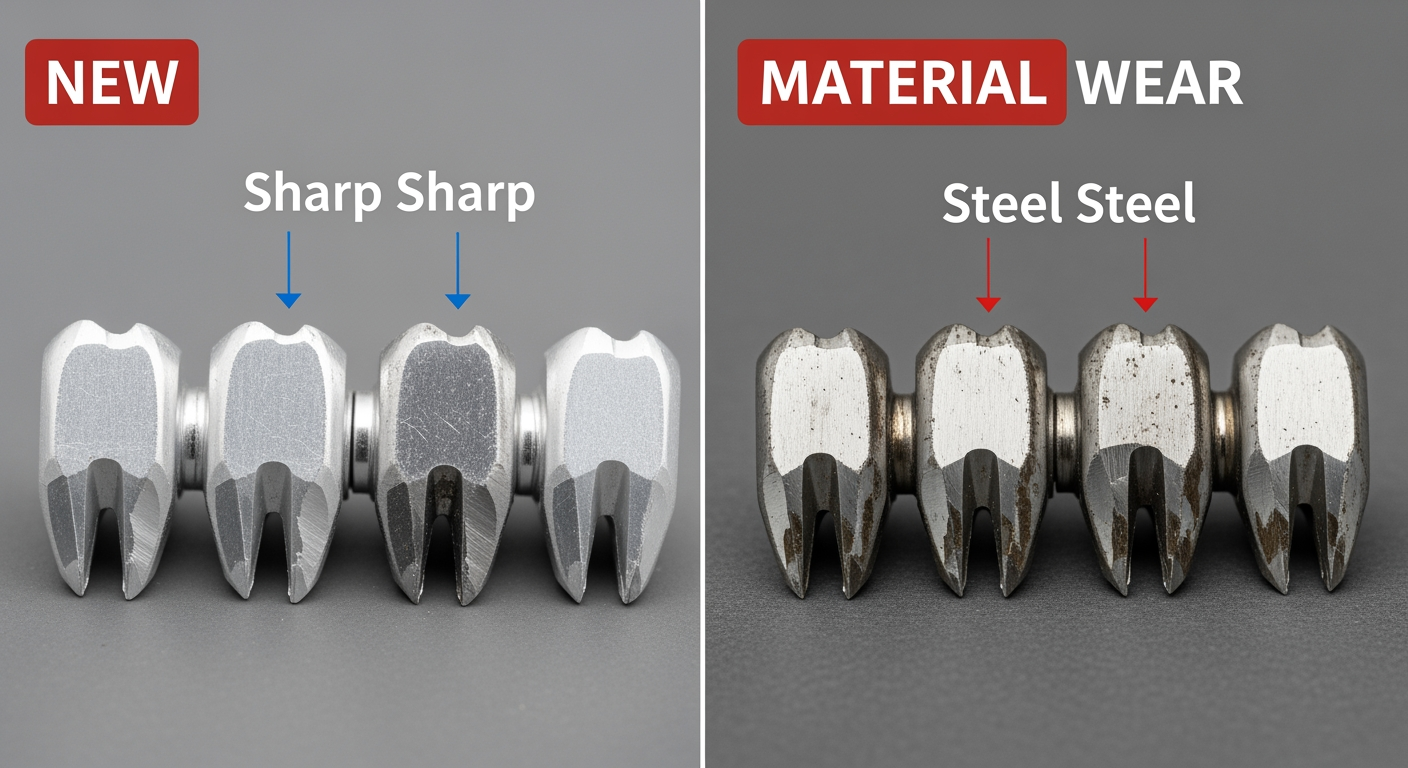
Hardness and Wear Resistance: Material hardness directly determines how long grinding teeth maintain sharp cutting edges under use. Harder materials resist deformation and abrasion better than softer alternatives. On Rockwell hardness scales, quality aluminum alloys measure 40-70 HRB, stainless steel grades run 80-95 HRB, and titanium alloys reach 30-40 HRC (different scale, approximately equivalent to 80-90 HRB). These hardness differences explain why steel and titanium teeth stay sharp 3-5X longer than aluminum performing identical grinding tasks.
Weight and Density Relationships: Material density determines grinder weight at equivalent sizes and thickness. Aluminum density runs 2.7 g/cm³, titanium 4.5 g/cm³, and steel 7.9 g/cm³. This means identically-sized grinders weigh approximately: aluminum 100g baseline, titanium 167g (67% heavier), steel 293g (193% heavier). Weight affects portability and user experience - lightweight materials improve pocket-ability while heavier options feel more substantial and premium to some users. Custom grinders offer materials across the weight spectrum serving different portability priorities.
Corrosion and Oxidation Resistance: Materials resist environmental degradation differently impacting long-term appearance and hygiene. Aluminum naturally forms protective oxide layers preventing deeper corrosion but can show cosmetic surface oxidation over years. Stainless steel resists corrosion excellently in most environments though lower grades may develop surface rust if not dried properly after cleaning. Titanium offers exceptional corrosion resistance rivaling or exceeding stainless steel while maintaining lighter weight. Corrosion resistance affects both aesthetics and hygiene - materials accumulating tarnish or oxidation feel less clean even after washing.
Manufacturing Cost and Complexity: Material workability affects manufacturing costs driving retail pricing. Aluminum machines easily creating lower production costs enabling affordable pricing. Stainless steel requires carbide cutting tools and slower machining speeds increasing manufacturing time and tooling costs. Titanium presents greatest manufacturing challenges requiring specialized equipment and expertise dramatically increasing production costs. These manufacturing economics explain 2-3X price differences between aluminum and titanium grinders beyond just raw material costs.
Aluminum Grinders: Market Standard Performance and Value
Aluminum dominates grinder manufacturing representing 70-80% of market share through optimal balance of performance, weight, and cost. Understanding aluminum advantages and limitations helps position it appropriately across customer segments.
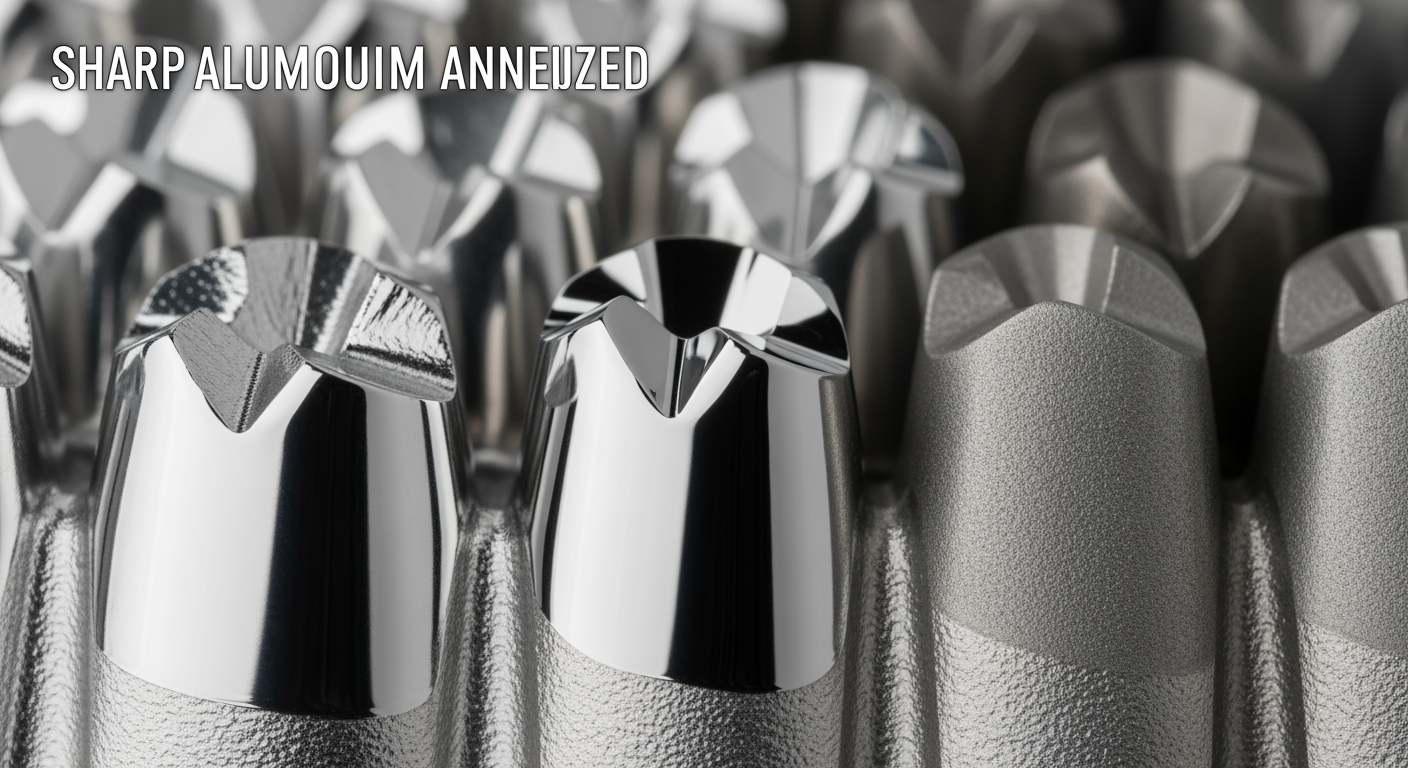
Aluminum Alloy Grades and Quality Variations: Not all aluminum grinders perform equally - alloy selection dramatically impacts durability and performance. Budget grinders often use pure aluminum or low-grade alloys (1xxx or 3xxx series) that dull quickly and deform easily. Quality grinders employ aircraft-grade alloys (6061-T6 or 7075-T6) offering 2-3X superior hardness and strength. Dispensary buyers should verify aluminum alloy specifications during wholesale purchasing - manufacturers clearly stating 6061-T6 or 7075-T6 aluminum demonstrate quality commitment while those listing just "aluminum" likely use inferior grades saving costs at customer satisfaction expense.
Anodization and Surface Treatment Benefits: Anodizing aluminum creates hardened surface layers improving wear resistance, corrosion protection, and aesthetics. Type II anodization (standard) provides good protection and color options. Type III hard anodization creates extremely durable surfaces approaching steel hardness in surface layers while maintaining aluminum's lightweight core. Hard-anodized aluminum grinders deliver near-steel durability at aluminum weight and moderate pricing - excellent value proposition for customers wanting enhanced longevity without titanium pricing. Verify anodization type when evaluating aluminum grinders as quality indicator.
Performance Longevity and Replacement Cycles: Quality aluminum grinders maintain acceptable performance for 12-24 months with daily use (processing 0.5-1+ grams daily). Budget aluminum may show noticeable dulling after 6-9 months. This lifespan positions aluminum as consumable accessory requiring periodic replacement rather than lifetime investment. Setting appropriate customer expectations prevents dissatisfaction - aluminum grinders work excellently for 1-2 years then performance gradually degrades requiring replacement. Customers understanding this cycle make informed decisions versus expecting decade-long performance creating disappointment.
Optimal Customer Segments: Aluminum grinders suit price-conscious customers, those upgrading from plastic grinders, users replacing grinders every 1-2 years regardless of longevity, and buyers prioritizing lightweight portability. Recommend aluminum to customers with $25-$45 budgets, occasional-to-moderate users, and anyone mentioning frequent travel or pocket carry. Premium aluminum (hard anodized, aircraft alloys) bridges to titanium pricing territory serving customers wanting enhanced durability at modest premiums over basic aluminum.
Stainless Steel Grinders: Premium Durability and Weight
Stainless steel offers exceptional durability and tooth edge retention while adding considerable weight versus aluminum. Understanding steel's tradeoffs helps identify customers who value longevity over portability.
Stainless Steel Grade Specifications: Like aluminum, steel quality varies dramatically by grade. Budget steel grinders may use 201 or 304 grades offering basic corrosion resistance but moderate hardness. Premium grinders employ 316 surgical steel or 420 high-carbon stainless providing superior hardness and corrosion resistance. 316 steel excels in corrosion resistance for users in humid climates or who clean grinders frequently with water. 420 steel offers maximum hardness for longest tooth edge retention. Request specific steel grade information when evaluating wholesale options - manufacturers specifying exact grades demonstrate quality transparency.
Weight Implications and User Experience: Steel grinders weigh 2-3X aluminum equivalents creating noticeable heft and premium feel some customers love while others find inconvenient. A 2.5-inch aluminum grinder weighing 3-4 ounces becomes 8-10 ounces in steel construction - the difference between barely noticeable in pocket and definitely feeling added weight. This weight creates perceived quality and substance but reduces practical portability. Customers who primarily use grinders at home appreciate steel's premium feel while frequent travelers typically prefer aluminum's lightness. Ask about primary usage location when recommending materials.
Exceptional Tooth Durability: Steel teeth maintain factory-sharp cutting edges through thousands of grinding cycles - 3-5X longer than aluminum. Heavy daily users (2-5 grams daily) may notice aluminum grinder performance degradation after 12-18 months while equivalent steel grinders maintain consistent performance for 3-5+ years. This durability creates superior long-term value despite 40-60% higher upfront costs. Calculate cost-per-year rather than just purchase price: $45 aluminum lasting 18 months costs $30/year while $65 steel lasting 4 years costs $16.25/year - the premium steel actually delivers better value through extended lifespan.
Maintenance and Cleaning Considerations: Steel's corrosion resistance allows aggressive cleaning methods aluminum can't tolerate. Boiling water cleaning effectively removes residue from steel grinders while potentially damaging aluminum anodization. However, lower-grade steel (304 and below) can develop surface oxidation if not dried thoroughly after wet cleaning. Premium 316 steel essentially never rusts in normal use. Educate customers buying steel grinders about complete drying after cleaning preventing cosmetic oxidation issues with budget steel grades.
Titanium Grinders: Ultimate Performance Premium
Titanium represents premium tier combining exceptional durability with reasonable weight in exotic material commanding significant pricing premiums. Understanding titanium advantages helps justify premium positioning to appropriate customer segments.
Medical-Grade Titanium Specifications: Quality titanium grinders use Grade 5 (Ti-6Al-4V) or Grade 2 commercially pure titanium offering exceptional strength-to-weight ratios and corrosion resistance. Grade 5 provides maximum hardness and strength making it preferred for grinder applications. Some manufacturers advertise "titanium" grinders using titanium coatings over aluminum cores rather than solid titanium construction - verify solid titanium construction before accepting premium pricing. Request material certifications or cross-sectional views confirming solid titanium versus coated alternatives.
Performance and Longevity Advantages: Titanium teeth maintain cutting edges through multi-year daily use - effectively indefinite lifespan for normal consumer applications. The combination of hardness and corrosion resistance means titanium grinders purchased today likely perform identically after 5-10 years assuming proper care. This longevity justifies 2-3X pricing over aluminum when customers understand they're buying potentially last grinder ever needed versus consumable product requiring replacement every 1-2 years. Communicate lifetime value proposition making premium pricing sensible investment rather than luxury expense.
Weight Advantages Over Steel: Titanium's density sits between aluminum and steel creating good middle ground - more substantial feel than aluminum without steel's excessive heft. A 2.5-inch titanium grinder weighs approximately 5-6 ounces versus 3-4 ounces aluminum or 8-10 ounces steel. This weight feels premium and quality without being burdensome for pocket carry. Customers wanting premium material performance but rejecting steel's weight appreciate titanium's balanced characteristics. The weight positioning makes titanium suitable for users across portability preferences from home use to frequent travel.
Premium Pricing and Market Positioning: Titanium grinders wholesale at $30-$50 and retail at $99.99-$149.99 positioning them as luxury tier for serious enthusiasts and customers prioritizing absolute best performance. This pricing limits market size - expect titanium representing 5-10% of grinder sales versus aluminum's 70-80%. However, exceptional per-unit margins ($50-$75 gross profit typical) make titanium meaningful profit contributor despite limited velocity. Stock 2-3 titanium options serving premium segment without excessive inventory investment. Position titanium as ultimate option for customers stating "I want the best" or "I want something lasting forever."
Material Comparison Matrix: Side-by-Side Performance Analysis
Direct comparison across key performance dimensions helps customers and staff understand material tradeoffs making informed selections based on priorities.
Durability and Lifespan: Budget aluminum (6-12 months), quality aluminum (12-24 months), steel (36-60 months), titanium (effectively unlimited with care). Durability directly correlates with total cost of ownership - calculate cost-per-year to demonstrate value relationships beyond upfront pricing. Include this analysis in customer conversations helping justify premium materials through long-term economics rather than just asking customers to pay more upfront.
Weight and Portability: Aluminum lightest and most portable, titanium moderate weight with good portability, steel heaviest limiting convenient carry. Ask customers about primary usage - home use accommodates any weight while frequent travel favors aluminum or titanium. Weight preferences also vary individually - some customers prefer substantial heft associating weight with quality while others prioritize minimum bulk. Let customers handle different materials during selection judging weight preferences through actual experience rather than assumptions.
Cost and Value Positioning: Aluminum most affordable upfront ($25-$45 typical), steel moderate premium ($45-$75), titanium significant premium ($99-$149). However, lifespan-adjusted costs show different story: aluminum $20-$30 per year, steel $12-$20 per year, titanium $10-$15 per year assuming 10-year lifespan. Premium materials deliver better long-term value despite higher initial investments - communicate this perspective helping customers make economically rational decisions rather than just lowest-upfront-cost choices.
Maintenance Requirements: All materials require periodic cleaning. Aluminum needs gentle cleaning avoiding harsh chemicals damaging anodization. Steel tolerates aggressive cleaning including boiling water but requires thorough drying. Titanium essentially indestructible allowing any cleaning method without degradation concerns. Premium materials simplify maintenance reducing long-term effort - minor consideration but relevant for customers who strongly resist maintenance tasks.
Customer Segmentation: Matching Materials to User Profiles
Effective material recommendations require understanding customer usage patterns, priorities, and budgets rather than universally pushing highest-margin premium options.
Budget-Conscious First-Time Buyers: Customers purchasing first quality grinder or operating under strict budgets need aluminum recommendations. Suggest mid-tier aluminum ($29.99-$39.99) avoiding cheapest options likely to disappoint while remaining accessible. Explain expected 12-24 month lifespan setting appropriate expectations. Position as excellent entry point with upgrade path to premium materials if/when budget allows and usage increases. Don't pressure budget customers toward premium materials they can't afford - sell them quality aluminum they can afford creating satisfied customers who return for upgrades.
Heavy Daily Users Seeking Durability: Customers processing 1-3+ grams daily benefit most from premium materials extending replacement cycles and maintaining consistent performance. Recommend steel or titanium based on weight preferences and budget flexibility. Calculate per-year costs demonstrating long-term value justifying premium investments. Heavy users appreciate performance consistency over years versus gradual degradation requiring replacement - premium materials serve this preference perfectly. These customers often readily accept premium pricing when understanding performance longevity benefits.
Travel and Portability-Focused Users: Customers emphasizing portability for travel, daily carry, or frequent transport need lightweight materials regardless of other priorities. Recommend aluminum for maximum lightness or titanium for users wanting premium performance without steel's weight penalty. Steel generally inappropriate for portability-focused segments despite superior durability - weight becomes deal-breaker overriding other advantages. Ask explicitly about portability importance early in conversations preventing recommendations of inappropriate materials customers reject.
Premium and Enthusiast Segments: Serious cannabis enthusiasts, collectors, and customers specifically requesting "best available" readily accept titanium pricing when understanding performance benefits. These segments often purchase multiple grinders for different purposes rather than single all-purpose option - titanium for primary home use, compact aluminum for travel. Don't hesitate recommending titanium to confirmed enthusiast customers who appreciate quality and have budgets supporting premium purchases. Understating premium options to obviously-qualified buyers leaves money on table while failing to serve customers wanting optimal products.
Material-Specific Merchandising and Display Strategies
Different materials require different merchandising approaches highlighting relevant value propositions and addressing material-specific concerns.
Aluminum Value and Accessibility Messaging: Emphasize aluminum's excellent performance-to-cost ratio, lightweight portability, and wide selection. Signage like "Premium Aluminum - Professional Performance at Accessible Pricing" positions aluminum positively rather than as budget compromise. Display aluminum across full good-better-best range ($25-$45) showing quality progression within material category. Aluminum's market dominance means most customers purchase it - present aluminum as smart mainstream choice rather than just cheapest option.
Steel Durability and Premium Quality Positioning: Highlight steel's exceptional longevity and tooth edge retention. "Premium Stainless Steel - Built to Last Years" messaging emphasizes durability value proposition justifying premium over aluminum. Address weight proactively - "Substantial Weight Indicates Premium Construction" reframes potential negative into quality signal. Let customers handle steel grinders appreciating premium feel and construction quality. Include cost-per-year comparison signage demonstrating long-term value despite higher upfront pricing.
Titanium Ultimate Performance Messaging: Position titanium as absolute best option for customers refusing compromises. "Medical-Grade Titanium - Ultimate Performance and Lifetime Durability" establishes premium tier positioning. Display titanium separately from mainstream options using elevated fixtures and focused lighting creating premium presentation matching pricing. Include material specification details - "Grade 5 Titanium (Ti-6Al-4V)" - demonstrating exotic material worth premium investment. Titanium customers appreciate technical details and engineering quality justifying luxury pricing.
Hands-On Material Comparison Encouraged: Maintain demonstration samples allowing customers handling different materials directly comparing weight, feel, and construction quality. Physical experience helps customers understand weight differences, surface finishes, and quality perceptions impossible to communicate verbally. Many customers confidently select materials after handling samples eliminating recommendation uncertainty. This hands-on approach also builds trust - willingness to let customers examine products thoroughly signals confidence in quality versus high-pressure sales tactics creating skepticism.
Material Quality Indicators: Wholesale Purchasing Evaluation
Dispensary buyers must evaluate material quality during wholesale purchasing preventing stocking inferior products that damage customer satisfaction and brand reputation.
Alloy Verification and Specification Documentation: Request detailed material specifications from wholesale suppliers including exact alloy grades (6061-T6 aluminum, 316 steel, Grade 5 titanium, etc.). Legitimate manufacturers readily provide material certifications and documentation while questionable suppliers deflect or provide vague "aluminum" or "steel" descriptions. Avoid suppliers unable or unwilling to specify exact materials - this opacity indicates quality concerns they're concealing. Material specifications should appear in product descriptions, packaging, and marketing materials demonstrating transparency.
Weight Verification Against Material Density: Calculate expected weight based on grinder dimensions and stated material, then weigh actual samples verifying consistency with calculations. Aluminum grinders weighing excessively heavy for dimensions may actually use zinc alloys (cheaper, lower quality) misrepresented as aluminum. Steel grinders weighing too light might be aluminum with steel coating rather than solid steel construction. Weight verification provides objective quality check preventing material misrepresentation common in budget-tier products.
Surface Finish and Manufacturing Quality: Examine surface finishes for consistency and quality. Aluminum should show even anodization with consistent coloring. Steel should display uniform polishing or brushing without visible machining marks. Titanium surfaces should exhibit characteristic slightly rough texture from machining. Poor surface finishes indicate substandard manufacturing quality likely extending to internal components like teeth geometry and chamber tolerances. Premium materials deserve premium manufacturing - reject products combining good materials with poor craftsmanship.
Price-to-Quality Correlation Sanity Checks: If wholesale aluminum grinders cost $4-$6 typically but supplier offers $2 aluminum, question quality rather than celebrating bargain. Similarly, $15 wholesale "titanium" grinders likely aren't solid titanium given material and manufacturing costs. Extremely low pricing versus market standards indicates corner-cutting through inferior materials, poor manufacturing, or misrepresentation. Trust market pricing as quality indicator - legitimate premium materials command premium wholesale costs reflecting actual material and production expenses.
Material Selection Customer Education Scripts
Training staff with effective material discussion frameworks helps customers make informed decisions based on actual needs rather than just budget constraints or assumptions.
Opening Material Discussion: "Grinders come in three main materials - aluminum, steel, and titanium - each with different benefits. Aluminum is lightweight and affordable, steel is extremely durable but heavier, and titanium offers best of both worlds at premium pricing. What matters most to you - keeping cost down, maximum durability, or portability?" This question identifies customer priorities guiding material recommendations appropriately.
Explaining Aluminum Value: "This aluminum grinder uses aircraft-grade alloy with hard anodized finish providing excellent performance for 1-2 years with daily use. Aluminum keeps weight minimal for portability and pricing affordable at $[price]. It's not lifetime-permanent like titanium, but it works great for that timeframe then you replace it. Most customers find aluminum perfect balance of performance and cost - it's our most popular material by far."
Justifying Steel Premium: "Steel grinders cost more upfront but last 3-5 years versus aluminum's 1-2 years, so long-term cost actually works out similar or better. The steel teeth stay sharp much longer maintaining consistent performance through thousands of uses. The tradeoff is weight - notice how much more substantial this feels? If you're mainly using at home and want something truly lasting, steel delivers excellent value. For frequent travel, aluminum's lighter weight usually makes more sense."
Positioning Titanium Premium: "Titanium represents absolute best option - essentially permanent if you care for it properly, lightweight like aluminum but durable like steel, and totally corrosion-proof. It's definitely premium pricing at $[price], but you're buying the last grinder you'll likely ever need. Serious enthusiasts who want optimal performance and don't mind investing in quality love titanium. If budget allows and you appreciate premium tools, titanium delivers performance justifying the investment. But aluminum works great too if titanium's outside budget - no need to stretch beyond comfort level."
Conclusion: Material Selection as Value Communication Opportunity
Grinder material represents fundamental specification determining performance, longevity, and customer satisfaction - yet remains underutilized as value communication and differentiation tool in many dispensaries treating all metal grinders as equivalent. Developing staff expertise in material properties, performance characteristics, and customer segment matching creates consultative selling approach that builds trust while justifying premium pricing through educated recommendations.
Success requires moving beyond simple "aluminum cheap, titanium expensive" frameworks toward sophisticated understanding of material engineering, performance tradeoffs, and total cost of ownership economics. Customers receiving detailed material explanations - why titanium costs more, how steel durability justifies premium, what aluminum alloy grades mean for longevity - make confident informed purchases versus hesitant budget-driven selections creating potential dissatisfaction.
The dispensaries investing in material education create competitive differentiation through knowledge-based value propositions impossible to replicate through pricing competition alone. This expertise positions dispensaries as trusted advisors rather than simple retail outlets creating loyalty extending across all product categories beyond just grinders.
Ready to optimize your dispensary's grinder program with appropriate material selections across all customer segments and budgets? Explore MunchMakers' complete grinder collections in premium aluminum alloys, stainless steel, and titanium with detailed material specifications and expert guidance helping you stock optimal selections for your specific market and customer demographics.