
Electric Weed Grinders: Complete Buyer's Guide for Dispensaries 2025
Electric Weed Grinders: Complete Buyer's Guide for Dispensaries 2025
Electric grinders revolutionize cannabis preparation through automated grinding eliminating manual effort, reducing prep time by 70-80%, and delivering consistent results impossible with manual grinders. For dispensaries, electric grinders serve dual purposes: profitable retail products for customers seeking convenience, and essential prep room equipment for high-volume pre-roll production where labor costs justify $40-150 equipment investments paying for themselves within weeks.
This comprehensive guide examines electric grinder types from battery-powered portables to commercial plug-in units, performance comparison against manual alternatives, commercial pre-roll production applications, wholesale sourcing and pricing, and complete category strategies helping dispensaries serve both retail customers and internal operational needs through electric grinding solutions.
Electric Grinder Types: Battery Portable vs Plug-In Commercial
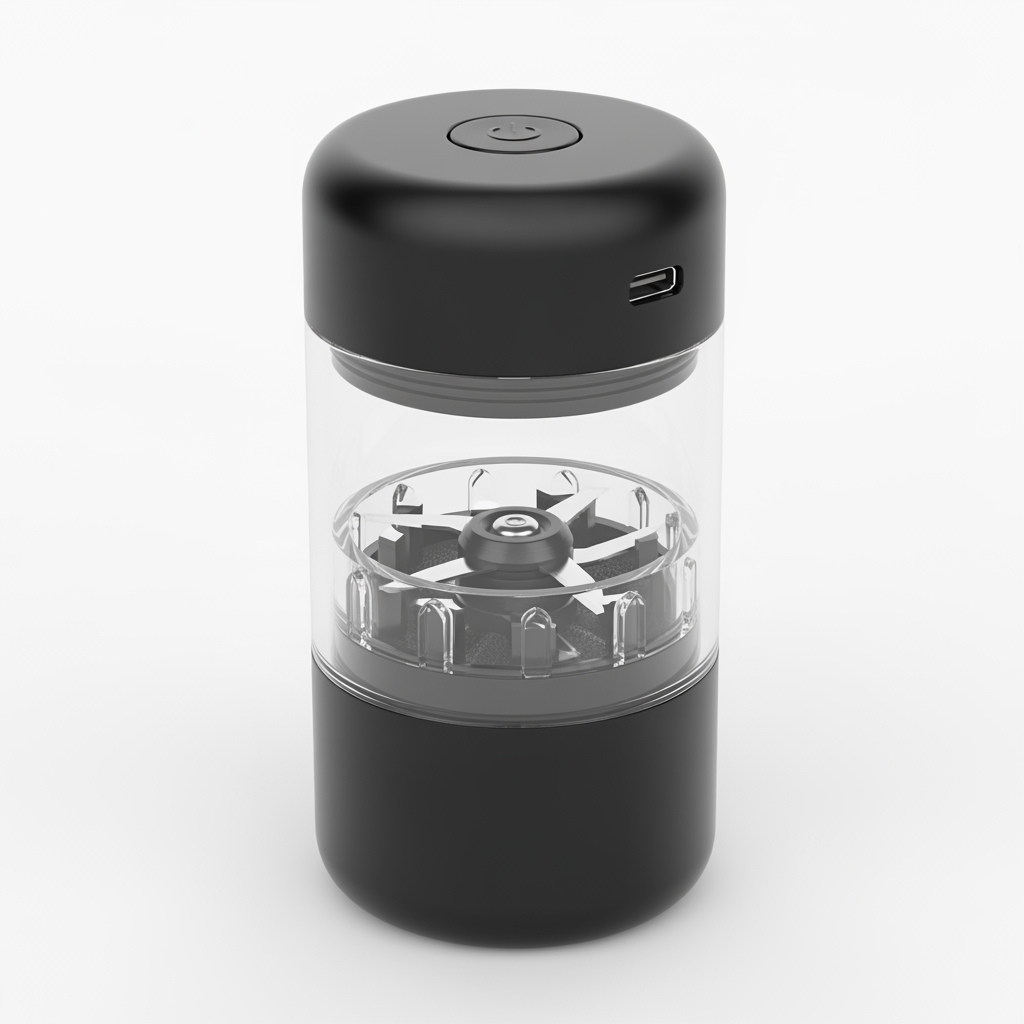
Battery-Powered Portable Grinders: Rechargeable electric grinders provide convenience for individual consumers through USB charging, pocket-sized portability, and one-button operation. These units grind 1-3 grams in 10-30 seconds versus 60-90 seconds manual grinding.
Retail customers love portability and convenience - battery grinders eliminate manual effort particularly valuable for users with arthritis, hand injuries, or mobility limitations. Wholesale costs $12-25, retail $35-70, creating 55-65% margins on products customers perceive as premium tech accessories.
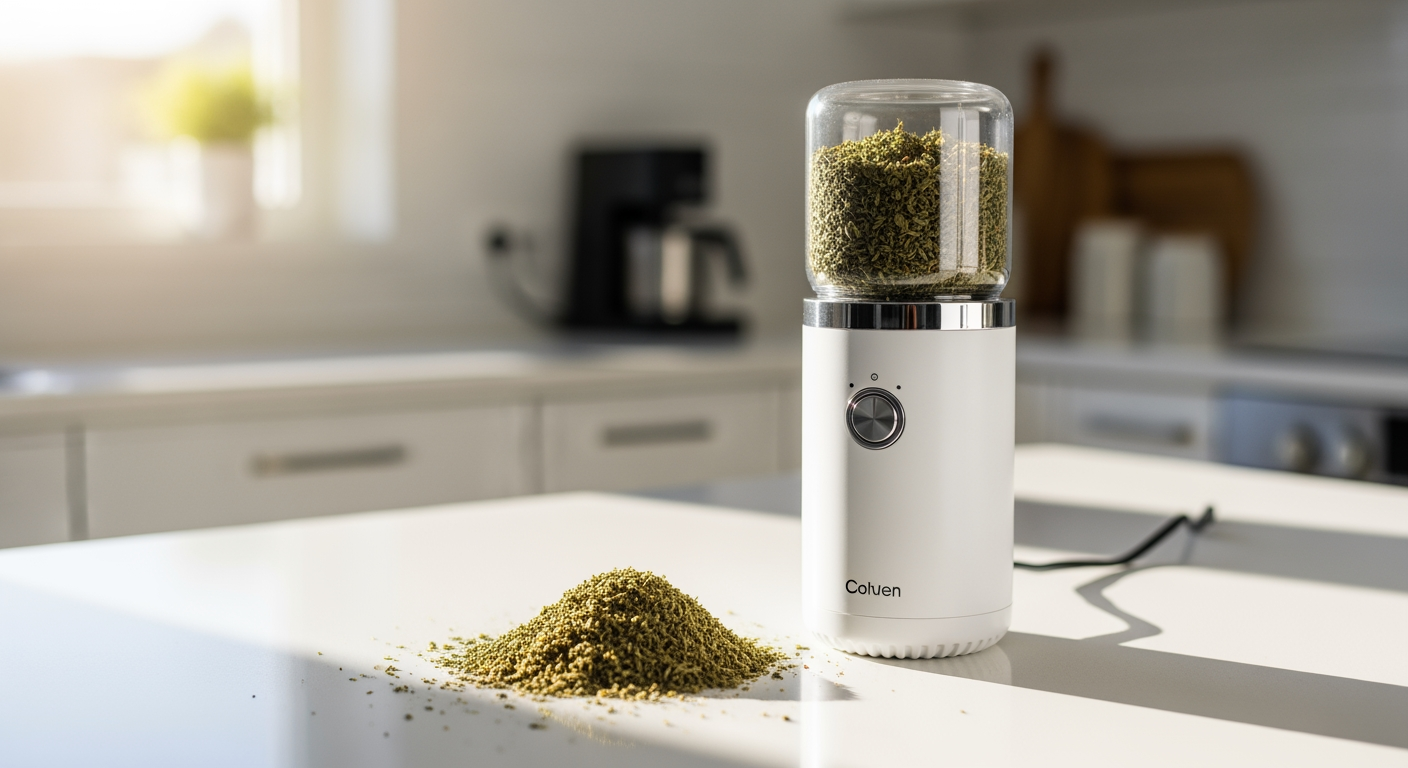
Plug-In Commercial Grinders: Larger electric grinders designed for continuous operation serve dispensary prep rooms producing 50-500+ pre-rolls daily. These units process 7-14 grams per grinding cycle in 15-30 seconds, dramatically reducing labor costs versus manual grinding for commercial pre-roll production.
Commercial electric grinders wholesale at $60-200 depending on capacity and durability. While retail opportunities are limited (most individual consumers don't need commercial capacity), dispensaries using them internally achieve ROI through labor savings within 2-4 weeks of daily pre-roll production.
Performance Analysis: Electric vs Manual Grinding
Speed and Efficiency: Electric grinders complete in seconds what manual grinders require minutes to achieve. For individual consumers, this saves 30-60 seconds per session - convenient but not transformative. For commercial operations grinding 50+ times daily, electric grinders save 30-50 labor minutes daily ($15-25 in labor costs at typical budtender wages).
A dispensary rolling 100 pre-rolls daily saves 45-60 minutes switching from manual 4-piece grinders to electric. At $20/hour labor costs, this is $15-20 daily savings ($5,500-7,000 annually) justifying $100-200 electric grinder investments immediately.
Grind Consistency: Electric grinders produce remarkably consistent particle sizes - crucial for commercial pre-roll production where even grinding ensures proper burning and prevents quality complaints. Manual grinding introduces human variability affecting pre-roll quality and customer satisfaction.
However, consistency comes at cost of customization. Manual grinders allow users to control grind coarseness through grinding duration. Electric grinders produce predetermined particle sizes - adequate for most purposes but less flexible for users wanting specific textures for vaporizers or specific rolling styles.
Kief Collection Limitations: Most electric grinders lack kief-catching capabilities that manual 4-piece grinders provide. Electric grinding's speed and blade action pulverizes trichomes into ground material rather than separating them. Customers valuing kief collection should use manual grinders - electric models sacrifice this feature for speed and convenience.
Commercial Applications: Pre-Roll Production ROI
Labor Cost Calculations: Calculate electric grinder ROI through labor savings:
- Manual grinding: 60 seconds per gram = 100 grams requires 100 minutes ($33 labor)
- Electric grinding: 20 seconds per 3 grams = 100 grams requires 11 minutes ($4 labor)
- Daily savings (100g/day): $29 = $580/month = $6,960 annually
A $150 commercial electric grinder pays for itself in 5 days of pre-roll production. Dispensaries rolling 50+ pre-rolls daily should invest in electric grinders immediately - the ROI is undeniable and labor savings compound daily.
Quality Consistency Benefits: Beyond labor savings, electric grinders improve pre-roll quality consistency. Every pre-roll gets identically ground herb ensuring even burning, consistent draw resistance, and uniform customer experiences. Manual grinding's variability creates quality inconsistencies customers notice.
Scaling Production Capacity: Manual grinding becomes bottleneck as pre-roll demand grows. One employee manually grinding limits production to 30-50 pre-rolls per hour. Electric grinding enables 80-120 pre-rolls per hour with less fatigue - effectively doubling production capacity with same labor.
Retail Customer Segment: Who Buys Electric Grinders
Convenience Seekers: Customers prioritizing speed and ease over traditional experiences. These buyers often own multiple grinders - manual for home, electric for travel or quick sessions. Position electric as premium convenience upgrades rather than manual replacements.
Medical Patients with Mobility Issues: Arthritis, hand injuries, or limited grip strength make manual grinding painful or impossible. Electric grinders provide independence and dignity for medical patients. Train staff to sensitively suggest electric options when customers struggle with manual grinder demonstrations.
Tech Enthusiasts: Customers who love gadgets and modern solutions to traditional activities. Electric grinders appeal to their preference for technology-enabled experiences. Bundle with other tech accessories like LED rolling trays and advanced vape batteries.
Heavy Users: Customers consuming multiple times daily appreciate electric convenience after experiencing manual grinding fatigue. While individual session time savings are modest, cumulative daily savings (5+ manual grindings vs push-button ease) create meaningful quality of life improvements they value.
Wholesale Sourcing and Quality Considerations
Battery Grinder Wholesale Costs:
- Budget models: $8-15 (retail $25-40)
- Quality rechargeable: $15-25 (retail $40-70)
- Premium brands: $25-40 (retail $70-120)
Quality differences are dramatic. Cheap electric grinders use weak motors failing after 20-50 uses, poor blade materials dulling quickly, and batteries dying after 10-20 charges. Premium models last years with hundreds of grinding cycles and reliable batteries.
Commercial Grinder Investment: For prep room use, invest in quality. A $200 commercial grinder lasting 3-5 years of daily use costs $3-5 monthly when amortized. A $60 cheap model requiring replacement every 6 months costs $10 monthly plus downtime and labor waste when it fails mid-production.
Quality Verification:
- Motor power (minimum 100W for adequate performance)
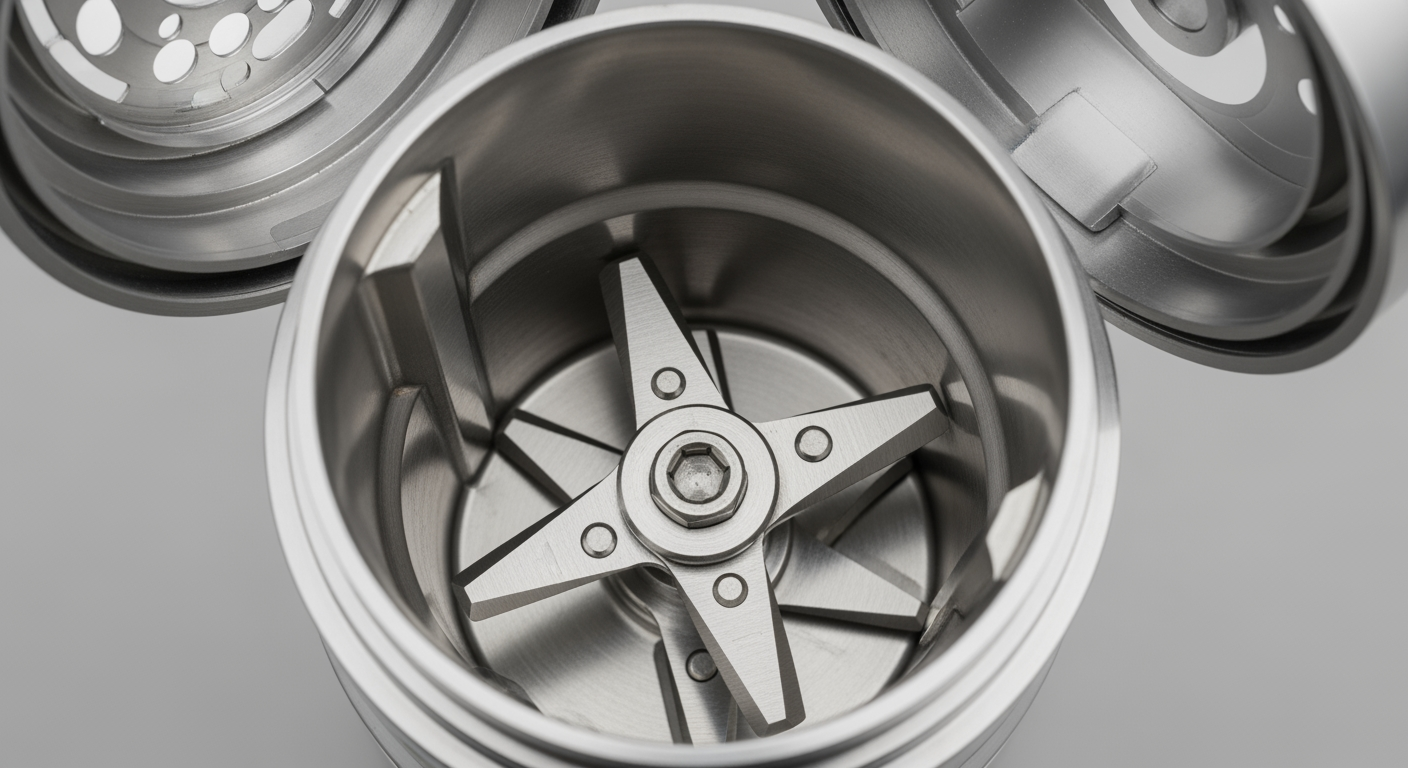
- Blade material (stainless steel, not cheap metal)
- Battery capacity (500+ mAh for portable models)
- Safety certifications (UL, CE listings for electrical safety)
- Warranty coverage (quality brands offer 6-12 month warranties)
Customer Education and Sales Positioning
Demonstrating Value Over Manual: Let customers experience electric grinding firsthand through in-store demonstrations. Seeing 3-gram grinding complete in 15 seconds versus 60-90 seconds manually communicates value words cannot convey.
Setting Realistic Expectations: Electric grinders sacrifice kief collection and grind customization for speed and convenience. Frame honestly: "Electric is perfect for quick convenient grinding, but if you want to collect kief, stick with your manual 4-piece grinder. Many customers own both for different purposes."
Maintenance and Cleaning Requirements: Electric grinders require more careful cleaning than manual alternatives. Demonstrate proper maintenance during sales: "Clean with isopropyl alcohol and small brush weekly. Never submerge in water due to battery/motor." This prevents warranty returns from improper care.
Complementary Product Pairings
Electric Grinder + Pre-Roll Supplies: Customers buying electric grinders often roll frequently. Bundle with bulk rolling papers, quality rolling trays, and filter tips at $60-90 creating complete convenient rolling setups.
Electric + Storage Solutions: Fast grinding means users may grind larger quantities at once for convenience. Pair with storage jars for ground herb: "Grind a few grams at once and store properly - saves even more time throughout the week."
Conclusion: Electric Grinders as Specialty Category
Electric grinders won't replace manual grinders as dispensary inventory mainstays but serve important niche segments: convenience-focused consumers, medical patients needing accessibility, commercial pre-roll operations, and tech enthusiasts. Strategic retailers stock 5-10 electric units capturing these segments while maintaining extensive manual grinder selections serving mass market.
For dispensaries with pre-roll programs, electric grinders are essential equipment, not optional accessories. Labor savings and quality consistency improvements justify investment regardless of retail sales potential.
Ready to add electric grinders to your inventory? Explore MunchMakers' electric grinder options for both retail and commercial applications.