
Wholesale Rolling Papers Buyers Guide: Best Suppliers & Bulk Pricing 2025
Wholesale Rolling Papers Buyers Guide: Best Suppliers & Bulk Pricing 2025
For dispensaries and smoke shops, rolling papers represent one of the most profitable and fastest-moving product categories. Choosing the right wholesale suppliers, understanding bulk pricing structures, and balancing name brands with custom-branded alternatives determines both profit margins and customer satisfaction. This comprehensive guide helps retail buyers optimize their rolling paper sourcing strategies for maximum profitability.
Whether you're stocking a new dispensary, expanding your smoke shop's paper selection, or evaluating current suppliers for better pricing, understanding wholesale dynamics, quality standards, and emerging trends positions your business for category leadership in this essential accessory segment.
Understanding Wholesale Rolling Paper Market: Brands, Tiers, and Pricing
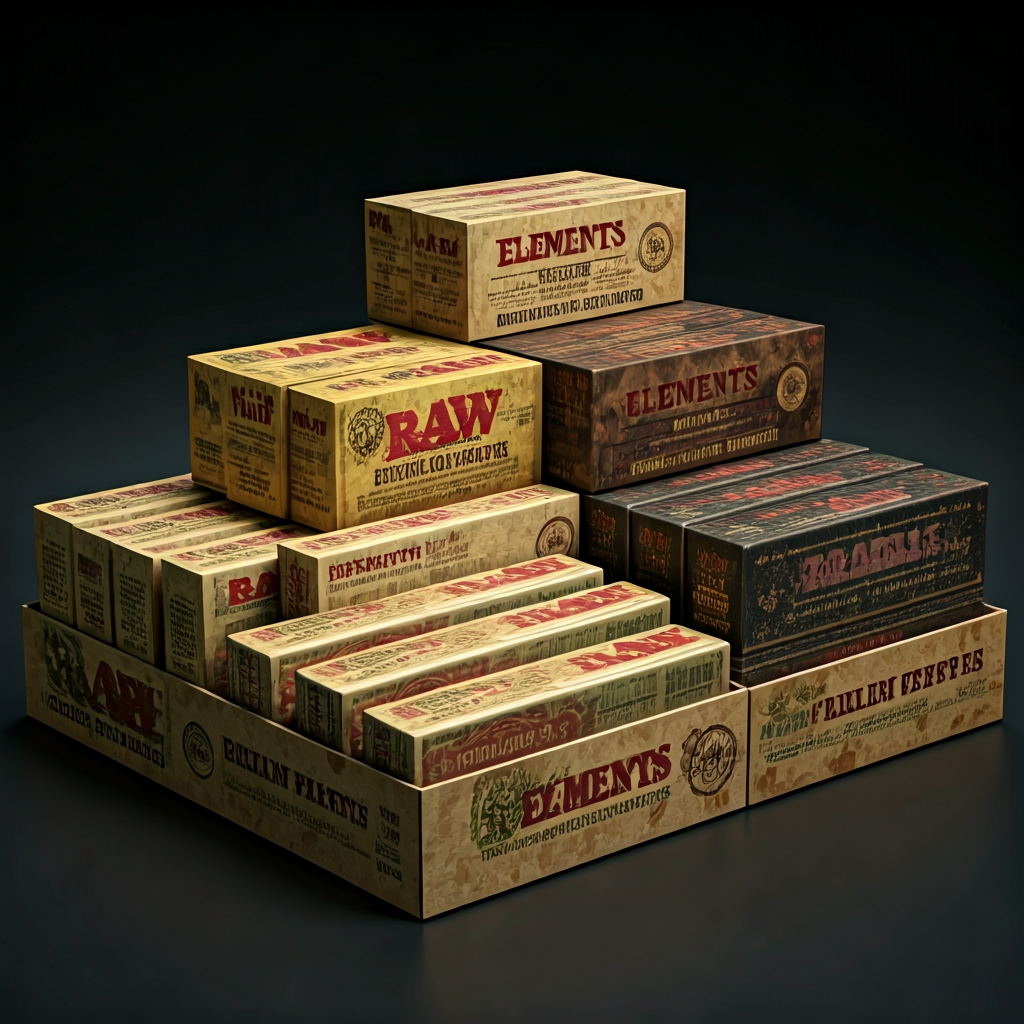
Premium Tier Brands (RAW, Elements, Smoking): These established brands command 50-60% of market share through strong consumer loyalty and perceived quality advantages. Wholesale pricing typically runs $0.80-1.50 per pack (50-pack boxes) with suggested retail of $2.50-4.00 per pack, creating 60-80% markup potential.
RAW has built the strongest brand equity in hemp papers, allowing premium pricing. Dispensaries and shops stock RAW because customers specifically request it by name. However, RAW's brand power also limits your margin flexibility - customers know RAW pricing and resist markups above $3-4 per pack.
Mid-Tier Brands (OCB, Bambu, Smoking Master): These quality brands offer similar performance to premium options at 20-30% lower wholesale costs ($0.60-1.00 per pack). Many customers cannot distinguish quality differences between OCB and RAW in blind tests, yet OCB wholesales for significantly less, creating margin opportunities.
Stock mid-tier brands prominently and train staff to recommend them as "same quality, better value." Customers who try mid-tier brands often become loyal repeat buyers, and your margins improve 10-15% versus premium-only stocking.
Budget Tier Brands (Zig-Zag, TOP, Generic): Traditional wood pulp papers wholesale at $0.30-0.60 per pack. While margins are lower in percentage terms, budget papers serve price-sensitive customers and create traffic. Stock these as entry-level options that introduce customers to your store.
Custom/Private Label: Custom-branded rolling papers offer the highest margins (65-75%) while building your brand. Minimum orders typically start at 1,000-5,000 packs, but per-pack costs of $0.50-0.80 against retail prices of $2.50-3.50 create exceptional profitability on a product customers repurchase weekly.
Wholesale Supplier Categories: Direct, Distributors, and Manufacturers
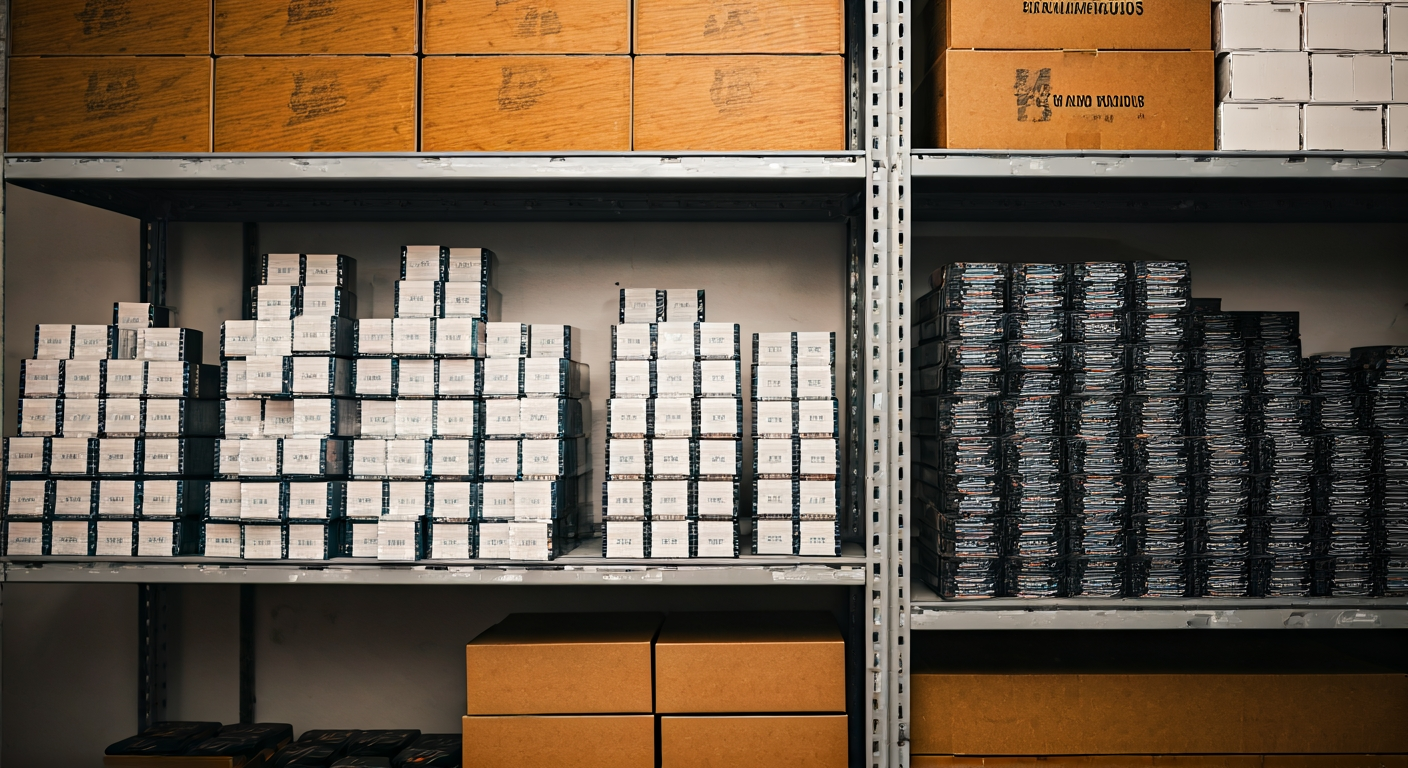
Direct Brand Purchasing: Buying directly from RAW, Elements, or other manufacturers offers lowest wholesale pricing but requires meeting minimum order quantities (MOQs) of $500-2,000 per order. For high-volume shops moving 100+ packs weekly, direct relationships make sense. Smaller operations struggle with capital requirements and inventory carrying costs.
Direct relationships provide exclusive access to new releases, promotional support, and sometimes protected territories. However, payment terms are typically unfavorable (net 15-30 days or prepay), and returns are restricted.
Cannabis Accessory Distributors: Wholesale distributors like General Hydroponics, Greenlane, and cannabis-focused jobbers carry 50-200 accessory brands including all major rolling paper lines. MOQs are lower ($200-500 per order), payment terms more flexible (net 45-60 days), and you can source entire accessory categories from single vendors.
Distributor pricing runs 10-20% higher than direct manufacturer pricing, but convenience, cash flow benefits, and reduced inventory carrying costs often justify the premium. Shops moving under $5,000 monthly in papers typically benefit from distributor relationships.
Custom Branding Specialists: Companies like MunchMakers specialize in custom-branded smoking accessories including rolling papers. These suppliers offer lower MOQs than major brands (often 1,000 packs vs 5,000+), design assistance, and faster turnaround. Custom papers create differentiation while delivering premium margins.
Partner with custom specialists for house-brand development while maintaining name-brand selection. The combination captures brand-loyal customers (who want RAW) and value-conscious buyers (who trust your house brand).
Quality Standards and Counterfeit Prevention
The Counterfeit Problem: Major rolling paper brands face significant counterfeiting, particularly RAW and Elements. Fake papers wholesaling through unauthorized channels undercut pricing but deliver inferior quality that damages customer trust and creates potential liability issues.
Verify supplier authenticity by:
- Requesting authorized reseller documentation from brand manufacturers
- Checking packaging for authentication features (holograms, QR codes, batch numbers)
- Testing product quality - counterfeit papers often have irregular glue lines, wrong paper thickness, and poor printing
- Avoiding "too good to be true" pricing (genuine RAW has consistent wholesale pricing)
Quality Testing Your Supplies: Before committing to large wholesale orders, test product quality personally. Burn characteristics, rolling ease, taste impact, and structural integrity vary significantly between manufacturers. Stock papers you've personally evaluated and can genuinely recommend to customers.
Stocking Strategy: SKU Selection and Inventory Management
Core Rolling Paper SKUs (Stock Deep):
- RAW 1¼" Classic (33% of sales)
- RAW King Size Slim (15% of sales)
- Elements 1¼" Rice (12% of sales)
- Zig-Zag White 1¼" (10% of sales)
- House brand hemp 1¼" (if offering custom)
- RAW Organic Hemp King Size (8% of sales)
Specialty SKUs (Stock Light):
- Flavored papers (Juicy Jay's, High Hemp)
- Ultra-premium options (Smoking Master, OCB Bamboo)
- King Size varieties of core brands
- Pre-rolled cones (growing segment)
- Filter tips and accessories
Use POS data to identify your specific velocity patterns. Every market differs slightly - California customers may prefer hemp papers 2:1 over wood pulp, while Midwest markets show opposite preferences. Stock based on YOUR data, not national averages.
Inventory Turnover Targets: Rolling papers should turn 10-15x annually (inventory sells and restocks every 3-4 weeks). Slower turnover indicates overstocking or poor SKU selection. Faster turnover risks stockouts on popular items. Monitor weekly and adjust orders accordingly.

Wholesale Pricing Negotiation Strategies
Volume Commitment Discounts: Suppliers offer tier pricing based on commitment levels. A dispensary committing to $2,000 monthly purchases might receive 15-20% better pricing than one ordering $500 monthly. Calculate whether volume commitments make financial sense based on your category velocity.
Payment Terms as Profit Centers: Negotiating Net 60 or Net 90 terms versus prepay or Net 15 provides cash flow advantages. If you sell papers within 30 days but pay suppliers in 60-90 days, you're operating on supplier capital instead of your own. This improves cash flow and reduces working capital requirements.
Exclusive Territory Agreements: In some markets, committing to exclusive supplier relationships within product categories earns additional discounts, promotional support, and protected pricing. Evaluate whether exclusivity benefits justify limiting supplier flexibility.
Custom Branding and Private Label Opportunities
Developing house-brand rolling papers creates differentiation, improves margins, and builds long-term brand equity that name brands cannot provide:
Custom Hemp Papers: Partner with manufacturers offering custom printing on quality hemp papers. Minimum orders typically start at 1,000-2,000 packs with all-in costs of $0.50-0.90 per pack including custom design, printing, and packaging. Retail these at $2.50-3.50 for 70-80% margins while positioning as "premium quality at fair prices."
Co-Branding Opportunities: Some suppliers offer co-branded options combining your dispensary logo with established paper manufacturers. This builds your brand while leveraging existing quality reputations. Consider this transitional approach before full private label commitment.
Design and Packaging: MunchMakers and similar custom accessory manufacturers provide design services, packaging development, and quality assurance for custom paper programs. These partners reduce risk and accelerate time-to-market versus managing manufacturing relationships directly.
Supplier Relationship Management for Long-Term Success
Multi-Supplier Strategy: Never rely on single suppliers for critical categories. Maintain relationships with 2-3 rolling paper sources to ensure supply continuity, create pricing competition, and provide options when primary suppliers face stockouts.
Regular Price Audits: Review wholesale pricing quarterly. Suppliers quietly raise prices assuming customers won't notice. Comparing your costs against market rates identifies opportunities to negotiate better terms or switch suppliers for specific SKUs.
New Product Introduction Programs: Suppliers offer promotional pricing, free goods, and marketing support for new product launches. Participate selectively in programs aligning with your customer base and category strategy. Free display fixtures and promotional materials reduce your marketing costs while driving category sales.
Online vs Regional Wholesale Platforms
National Online Wholesalers: Platforms like Greenlane, Smoker's Outlet Wholesale, and cannabis-specific B2B marketplaces offer convenience and breadth but may not provide best pricing. Use these for discovery, testing new products, and fill-in orders between major supplier shipments.
Regional Distributors: Local and regional distributors often provide better service, flexible terms, and personalized support. Delivery advantages (2-day shipping vs 7-10 days from distant suppliers) reduce stockout risk on fast-moving items.
Direct Manufacturer Relationships: For custom branding and private label development, work directly with manufacturers like MunchMakers who specialize in custom cannabis accessories. These relationships provide quality control, design flexibility, and margin optimization impossible through distributors.
Conclusion: Building a Profitable Rolling Paper Category
Rolling papers represent essential inventory for every dispensary and smoke shop. Optimizing this category through strategic supplier relationships, balanced brand mix, and custom branding initiatives creates consistent profit margins while meeting diverse customer preferences.
Successful buyers develop multi-source strategies balancing name-brand customer demands with private-label margin optimization. They negotiate favorable terms, monitor pricing quarterly, and evolve SKU mix based on sales data rather than assumptions.
Most importantly, treating rolling papers as a strategic category rather than commodity purchasing creates competitive advantages and profit improvements that compound over time.
Ready to explore custom-branded rolling paper options for your store? Contact MunchMakers for wholesale pricing on custom hemp papers, branded accessories, and complete smoking supply solutions.