
Grinder Size Guide: Match Capacity to Usage Patterns
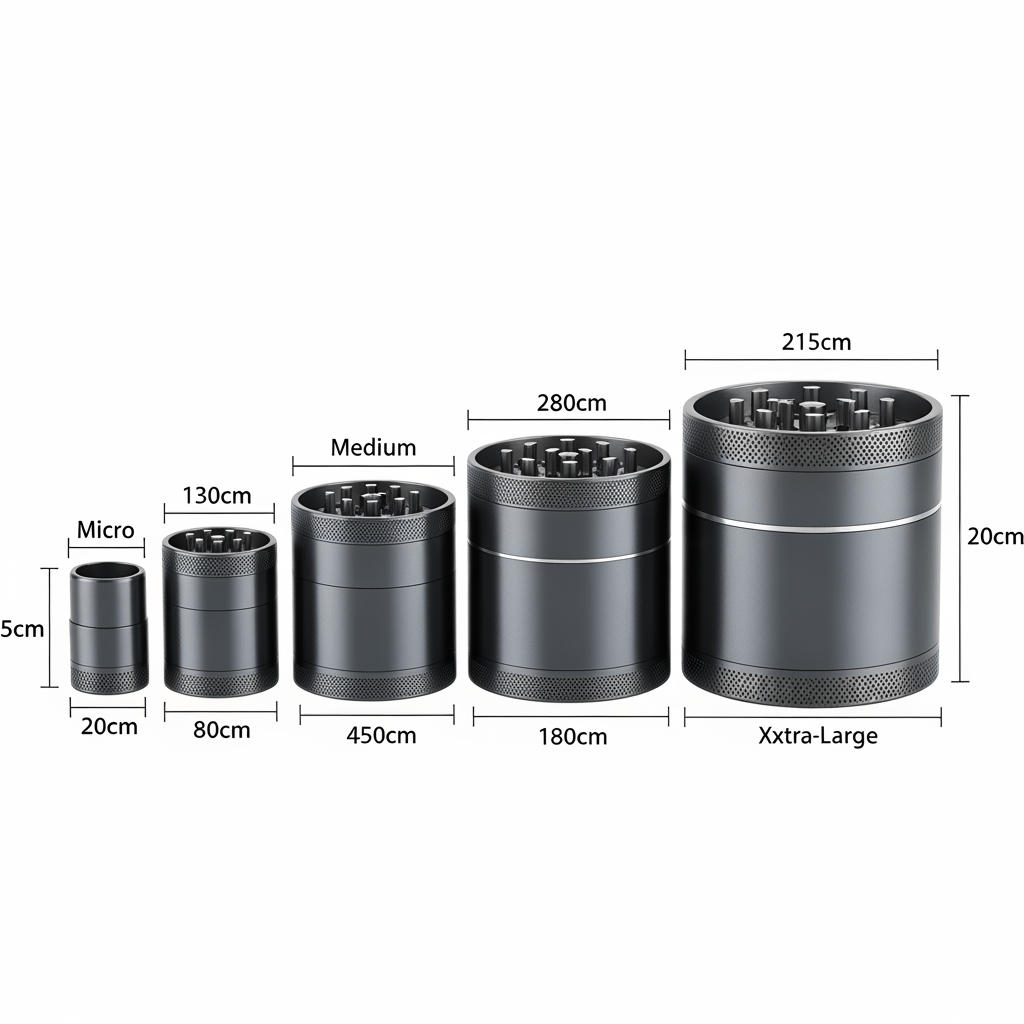
Grinder Size Guide: Matching Capacity to Customer Usage Patterns
Grinder diameter and chamber capacity dramatically impact user satisfaction, purchase decisions, and repurchase frequency - yet most dispensaries stock sizes based on wholesale availability rather than strategic customer segmentation and usage pattern analysis. Understanding how grinder dimensions affect grinding capacity, portability, and user experience helps dispensaries recommend appropriate sizes while optimizing inventory mix for maximum turnover and profitability across diverse customer segments from occasional users to heavy daily consumers.
This comprehensive sizing guide examines grinder dimensions from micro 1-inch keychain models to oversized 3+ inch commercial units, analyzes capacity requirements for different usage frequencies and consumption methods, and provides data-driven inventory allocation strategies ensuring dispensaries stock appropriate size distributions matching actual customer needs rather than arbitrary assortments. Whether customers ask "what size grinder do I need" or dispensary buyers wonder which dimensions to emphasize in wholesale orders, this guide delivers sizing intelligence for improved satisfaction and sales.
Grinder Size Measurement Standards: Understanding Diameter Specifications
Grinder sizing uses diameter measurement as primary specification, but understanding what these measurements mean practically helps customers and staff make informed decisions beyond just numbers.
Diameter Measurement Methodology: Grinder size refers to exterior diameter of grinding chambers measured across widest point, typically expressed in inches or millimeters. A 2.5-inch grinder measures 2.5 inches (approximately 63mm) across the grinding chamber exterior. However, interior grinding capacity runs smaller due to chamber wall thickness - actual usable space in 2.5-inch grinder typically measures 2.2-2.3 inches interior diameter. Understanding this exterior-versus-interior distinction prevents customer disappointment when capacity seems smaller than expected based on advertised sizing.
Common Size Categories: The industry informally segments grinders into micro (under 1.5 inches), small (1.5-2 inches), medium (2-2.5 inches), large (2.5-3 inches), and extra-large (3+ inches) categories. These informal groupings help communicate sizing quickly though exact measurements matter more than category labels. Most dispensary sales concentrate in small-to-medium range (1.75-2.5 inches) serving broadest customer base, with micro and large sizes serving niche applications.
Height and Depth Considerations: Diameter tells incomplete story - chamber depth significantly impacts capacity even at identical diameters. Some manufacturers create tall, narrow grinders while others produce short, wide models at same diameter specifications. For 4-piece grinders, individual chamber depths determine flower collection capacity and kief accumulation space. When comparing grinders, examine total height and individual chamber depths alongside diameter for complete capacity understanding.
Portability vs Capacity Tradeoff: Larger diameters inherently increase capacity but reduce portability and pocket-friendliness. This fundamental tradeoff drives sizing decisions - customers prioritizing portability accept smaller capacity while those emphasizing performance and capacity tolerate reduced portability. Helping customers articulate their priority (portability or capacity) simplifies size recommendations during sales conversations.
Micro Grinders (Under 1.5 Inches): Extreme Portability Applications
Tiny grinders sacrifice capacity and grinding efficiency for ultimate portability and discretion. Understanding micro grinder use cases helps dispensaries position these specialty sizes appropriately rather than presenting them as general-purpose solutions.
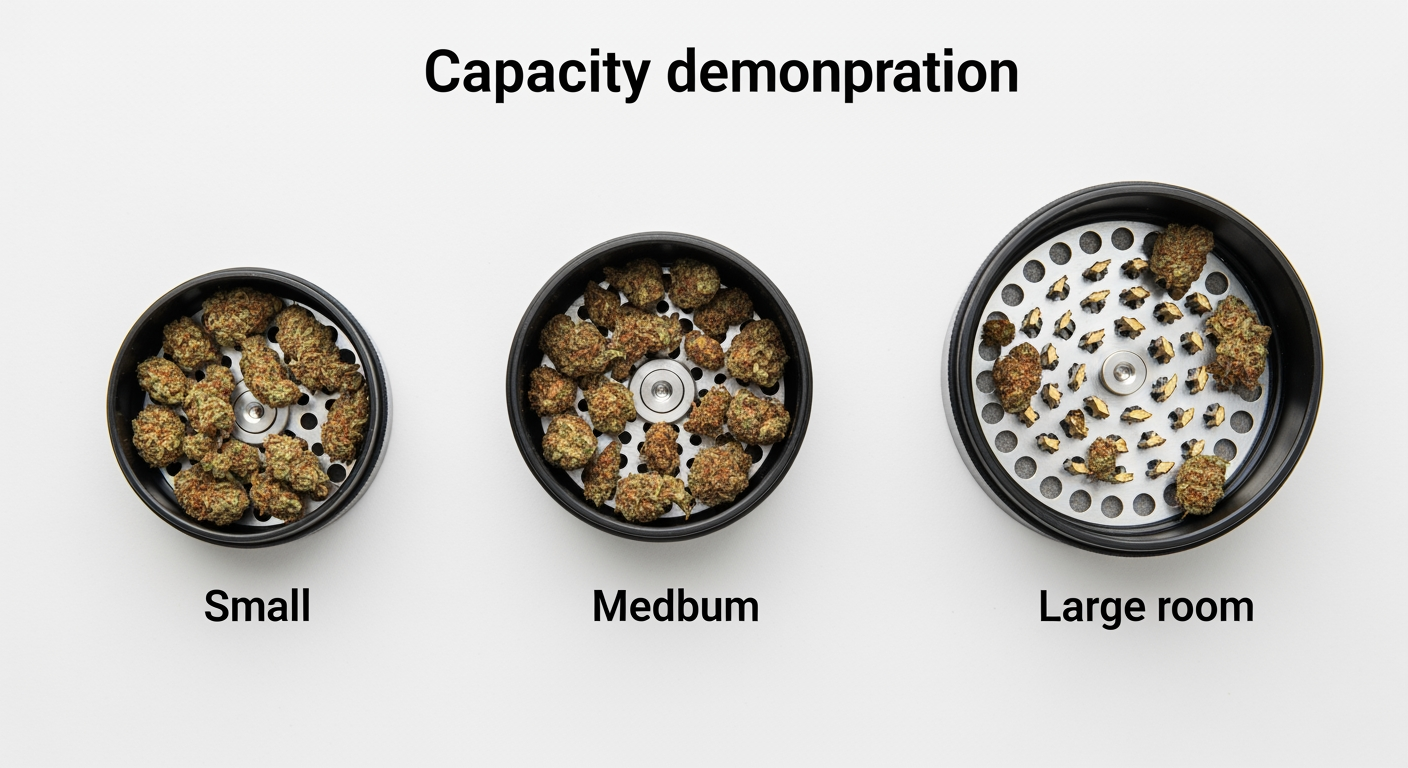
Capacity and Limitations: Micro grinders typically hold 0.3-0.5 grams maximum, producing 1-2 small joints or single bowl worth of material per grinding session. The limited capacity requires frequent refilling for anything beyond personal single-session use. Additionally, tiny tooth counts (often 10-20 teeth versus 30-50 in larger models) produce less consistent grind requiring more rotation effort. These limitations make micro grinders poor primary grinders for daily users but excellent specialized tools for specific scenarios.
Target Customer Segments: Micro grinders serve travelers wanting TSA-friendly grinding capability, minimalists seeking smallest possible gear, and users wanting always-available backup grinders attached to keychains. Festival attendees and concert-goers appreciate micro grinders providing functionality without bulk. These segments accept capacity limitations because portability importance outweighs grinding performance for their specific use cases.
Merchandising and Positioning: Position micro grinders as travel/backup solutions rather than primary daily drivers. Pricing typically ranges $9.99-$19.99 depending on features and materials - customers understand limited capacity justifies lower pricing versus full-size alternatives. Display near checkout as impulse purchases and mention during conversations with customers discussing travel or backup grinder needs. Stock 3-4 micro options including basic functional models and decorative/novelty versions without excessive inventory depth.
Wholesale Considerations: Micro grinders wholesale at $3-$8 depending on quality, delivering acceptable 50-60% margins at retail pricing. However, velocity typically runs 1/3 to 1/2 of medium grinder sales making them moderate revenue contributors despite reasonable margins. Allocate 10-15% of grinder inventory investment to micro sizes serving niche needs without overcommitting to slower-moving specialty products.
Small Grinders (1.5-2 Inches): Personal Use Standard
Small grinders represent entry-level personal use sizing balancing reasonable capacity with good portability. Understanding this category helps position it as baseline solution for individual consumers while identifying customers needing larger alternatives.
Capacity and Performance: Small grinders typically hold 0.8-1.5 grams comfortably, sufficient for 2-4 joints or several bowl packs per grinding session. Chamber sizes accommodate personal-use quantities without overwhelming individual consumers. Tooth counts usually run 25-35 providing adequate grinding consistency for personal applications. This size works well for occasional-to-moderate users (consuming 0.3-1 gram daily) who grind 1-3 times weekly in small batches rather than bulk processing.
Portability and Pocket-Friendliness: At 1.5-2 inch diameters, small grinders fit comfortably in pockets, bags, and small storage without bulk concerns. This portability makes them popular with younger customers, urban consumers, and anyone prioritizing discretion and mobility. The size suits lifestyle use where grinders travel regularly versus staying home in dedicated consumption spaces. Customers who mention taking grinders to friends' houses, on trips, or in daily bags typically benefit from small sizing recommendations.
Price Sensitivity and Entry-Level Positioning: Small grinders typically retail $19.99-$34.99 positioning them as affordable entry points for new customers or budget-conscious buyers. The accessible pricing creates minimal purchase resistance while acceptable margins (wholesale costs $6-$12 depending on features) maintain profitability. Many customers purchase their first quality grinder in small sizes, later upgrading to medium or large options as usage increases - view small grinders as customer acquisition products creating upgrade opportunities.
Inventory Allocation: Stock small grinders at 25-30% of total grinder inventory depth serving entry-level and portability-focused segments. Maintain variety across price points ($19.99 budget, $24.99 mid-tier, $29.99-$34.99 premium) allowing customer self-selection based on budget and quality preferences. Small 4-piece grinders appeal to portability-focused customers wanting kief collection without bulk.
Medium Grinders (2-2.5 Inches): Sweet Spot for Most Users
Medium sizing represents optimal balance for majority of cannabis consumers delivering adequate capacity without excessive bulk. This category typically generates highest sales volume and should receive greatest inventory investment and merchandising emphasis.
Capacity Advantages: Medium grinders comfortably hold 1.5-3 grams allowing processing enough material for multiple sessions or full day's consumption in single grinding. This capacity suits daily users consuming 0.5-2 grams who prefer grinding morning or evening supplies in one session rather than multiple small grinds throughout the day. The chamber size accommodates both small personal amounts and larger social session quantities providing versatility across usage occasions.
Optimal Tooth Density and Grinding Efficiency: At 2-2.5 inch diameters, grinders efficiently accommodate 35-50 teeth creating ideal density for consistent, efficient grinding without excessive surface area accumulating residue. This tooth count produces excellent grind consistency in 5-8 rotations versus 10+ in small grinders processing equivalent material. The efficiency improvement represents genuine functional advantage justifying medium sizing even for users managing portability requirements.
Price Point and Value Perception: Medium grinders retail $29.99-$54.99 across quality tiers representing mainstream pricing most customers readily accept for everyday-use tools. Wholesale costs typically run $10-$20 depending on materials and features delivering healthy 60-70% margins. This category offers best combination of customer acceptance, margin sustainability, and turnover velocity making medium grinders profit centers for well-managed dispensary accessory programs.
Customer Segment Breadth: Medium sizing serves occasional users wanting room for growth, regular users processing daily supplies efficiently, and even heavy users willing to prioritize portability over maximum capacity. This broad appeal creates highest sales velocity across diverse customer demographics. When uncertain about customer usage patterns during sales conversations, medium grinders represent safest recommendations satisfying most needs acceptably even if not perfectly optimized.
Inventory Strategy: Allocate 45-55% of grinder inventory investment to medium sizes ensuring adequate depth across price points, materials, and feature sets. Stock 8-12 distinct medium grinder SKUs spanning budget ($29.99-$34.99), mainstream ($39.99-$44.99), and premium ($49.99-$54.99) tiers in both 2-piece and 4-piece configurations. Maintain 90-120 days inventory on best-selling medium grinders preventing stockouts on high-velocity items while keeping 45-60 days depth on newer or slower medium options.
Large Grinders (2.5-3 Inches): Heavy User and Performance Tier
Large grinders serve heavy daily users, group consumption scenarios, and customers prioritizing maximum performance over portability. Understanding this segment helps position large sizes as premium solutions for specific high-capacity needs.
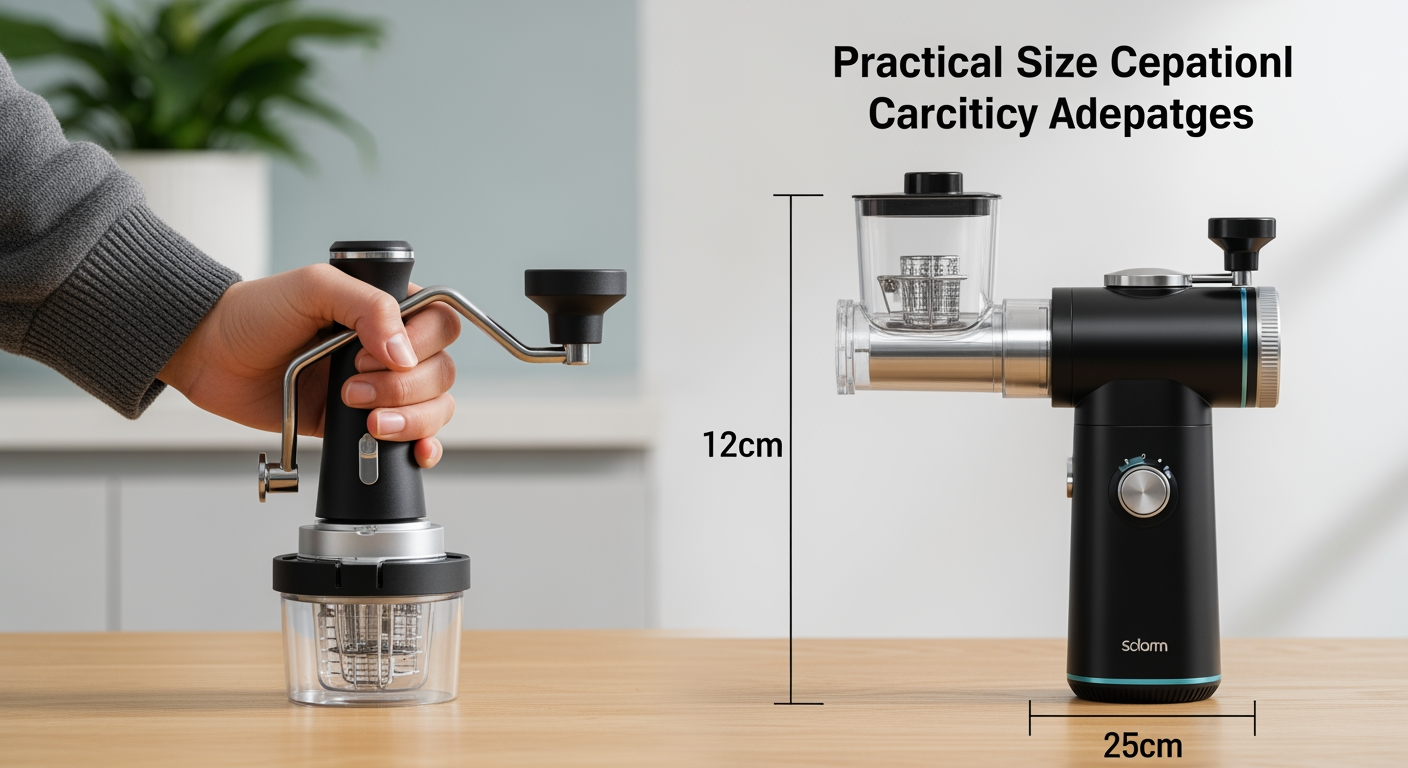
Superior Capacity for Heavy Use: Large grinders hold 3-5+ grams comfortably allowing bulk processing for heavy users (2-5 grams daily consumption) or group sessions requiring significant quantities. Processing entire eighth (3.5g) in single grinding session appeals to efficiency-focused users who prefer once-daily grinding versus multiple small sessions. The capacity also suits customers preparing pre-rolls in quantity or users who share with partners/roommates regularly.
Enhanced Screen Area for Kief Collection: In 4-piece configurations, large diameter significantly increases screen surface area improving kief collection efficiency and chamber capacity. Heavy users processing 5-10+ grams weekly through large grinders collect substantially more kief than equivalent usage through small grinders due to superior screen area and agitation space. This kief collection advantage represents genuine value proposition for customers who appreciate trichome recovery benefits.
Portability Sacrifice and Home-Use Positioning: At 2.5-3 inches, grinders become noticeably bulky for pocket carry and casual portability. Position large grinders as home/desk pieces for dedicated consumption spaces rather than portable options. Customers with established home consumption routines who rarely transport grinders appreciate capacity and performance without portability concerns. Those frequently moving grinders between locations typically prefer medium sizing accepting capacity limitations for mobility advantages.
Premium Pricing Justification: Large grinders retail $44.99-$79.99 depending on materials and features with wholesale costs $15-$28. The premium pricing reflects increased material costs, superior performance, and specialized applications serving heavy-use segments. However, velocity typically runs 30-40% of medium grinder sales requiring careful inventory management preventing overstock. Stock 3-5 large grinder options serving quality and price preferences without excessive uncommitted inventory.
Extra-Large and Commercial Grinders (3+ Inches): Specialty Applications
Oversized grinders exceeding 3 inches serve commercial operations, consumption lounges, and enthusiasts wanting maximum capacity and statement pieces. This specialty category requires different positioning and inventory strategies than consumer sizes.
Commercial and High-Volume Applications: Extra-large grinders process 5-10+ grams per session serving consumption lounges, pre-roll production operations, and extreme heavy users. The massive capacity eliminates frequent refilling allowing processing significant quantities efficiently. Commercial capacity grinders appeal to business customers and serious enthusiasts rather than general consumers making this niche category with limited but high-value customer base.
Statement Piece and Display Value: Beyond pure functionality, 3+ inch grinders create impressive display pieces and conversation starters for cannabis enthusiasts. Some customers purchase oversized grinders for aesthetic impact and collection value even if practical usage doesn't require extreme capacity. The statement piece appeal drives purchases from collector segments willing to pay premium pricing for distinctive products regardless of capacity needs.
Pricing and Margin Economics: Extra-large grinders retail $69.99-$149.99 with wholesale costs $25-$50 depending on features and materials. While premium pricing creates healthy absolute profit per sale ($35-$75 gross profit), velocity typically runs 5-10% of medium grinder sales making these slow-turning specialty items. Stock 1-3 extra-large options testing market receptiveness without significant inventory commitment. Multi-location operators may centralize oversized inventory making it available system-wide rather than stocking every location.
Customer Qualification: When customers express interest in extra-large grinders, qualify whether they have genuine high-capacity needs or are attracted to size without practical application. Guide customers with moderate usage toward medium or large options preventing buyer's remorse from oversized purchases gathering dust unused. Reserve extra-large recommendations for confirmed heavy users, commercial applications, or customers specifically requesting statement pieces understanding capacity exceeds personal needs.
Usage Pattern Analysis: Matching Size to Consumption Frequency
Effective size recommendations require understanding customer usage patterns and consumption frequency. Training staff to assess and match sizing to actual needs improves satisfaction while reducing returns and upgrades.
Occasional Users (1-3 times weekly, under 1g weekly): Light consumers need minimal capacity making small grinders (1.5-2 inches) optimal. Processing 0.3-0.5 grams per session fits comfortably in small chambers without waste or excessive empty space. These users rarely grind more than 1 gram at a time making larger capacity unnecessary. Recommend small sizing emphasizing portability and value pricing appropriate to usage frequency. Many occasional users also appreciate compact storage requirements and discretion small sizes provide.
Regular Users (4-6 times weekly, 1-3g weekly): Moderate consumers processing 0.5-1 gram per session benefit from medium grinders (2-2.5 inches) offering capacity for larger single grinds without bulk. These users often grind daily supplies in morning or evening rather than multiple small sessions throughout day - medium capacity accommodates this batch processing approach comfortably. Recommend medium sizing as sweet spot balancing capacity and portability for typical daily consumers.
Daily Heavy Users (1-3g daily): Serious consumers benefit from large grinders (2.5-3 inches) reducing grinding frequency through superior capacity. Processing 2-4 grams in morning provides all-day supplies eliminating multiple grinding sessions. Heavy users particularly appreciate kief collection benefits from large screen areas if using 4-piece configurations. Recommend large sizing emphasizing efficiency, reduced maintenance, and superior kief catchment for high-volume processing.
Extreme Users and Commercial (3+ grams daily or business use): Very heavy personal users and commercial operations require extra-large (3+ inch) capacity handling 5-10 gram batches efficiently. These applications justify premium pricing and reduced portability through genuine capacity requirements. Verify extreme capacity needs before recommending oversized options - ensure customers truly process quantities justifying largest sizes rather than overbuying based on perceived value or future-proofing that never materializes.
Consumption Method Considerations: Vaping vs Smoking vs Pre-Rolls
How customers consume cannabis affects optimal grinder sizing through different material preparation requirements and session frequency patterns.
Vaporizer Users: Vaping typically requires finer, more consistent grind than smoking creating preference for quality grinding mechanics over pure capacity. Many vaporizer users consume smaller quantities per session than smokers (0.1-0.3g bowl packs versus 0.5-1g joints) making small-to-medium grinders adequate for most vapers. However, serious vaporizer enthusiasts processing multiple sessions daily benefit from medium sizing reducing grinding frequency. Recommend small-to-medium grinders for vapers emphasizing grind quality and consistency over maximum capacity.
Joint and Blunt Rollers: Rolling typically consumes 0.5-1.5 grams per joint creating moderate-to-high capacity requirements especially for users rolling multiple joints at once. Medium-to-large grinders suit rollers who often prepare multiple joints simultaneously for day's consumption or social sessions. The larger chambers accommodate quantities for 2-4 joints in single grinding versus multiple grinds throughout day. Recommend medium grinders for personal rollers and large for heavy rolling or group sessions.
Pipe and Bong Users: Bowl packing requires smaller per-session quantities (0.2-0.5g typical) but frequency can be high for heavy users. Small-to-medium grinders serve most pipe users adequately unless consumption exceeds 2-3 grams daily. The smaller per-session amounts mean even moderate capacity handles multiple bowls before refilling needed. Recommend small grinders for light pipe users and medium for moderate-to-heavy bowl consumers.
Pre-Roll Production: Customers rolling cones or making pre-rolls in quantity (4+ at a time) benefit from large capacity processing multiple grams efficiently. Commercial pre-roll operations definitely require large-to-extra-large sizing handling production quantities. Personal pre-rollers preparing week's supplies at once also appreciate large capacity reducing time investment in bulk rolling sessions. Recommend large grinders for serious pre-roll users emphasizing batch processing efficiency.
Material and Construction Impact on Optimal Sizing
Grinder materials affect how sizing recommendations should be adjusted due to weight, durability, and performance variations across materials and size combinations.
Aluminum Size-Weight Relationships: Aluminum grinders maintain reasonable weight even at large sizes making 2.5-3 inch aluminum options viable for users wanting maximum capacity without excessive bulk. A 2.75-inch quality aluminum grinder typically weighs 4-6 ounces - noticeable but manageable. This favorable weight characteristic makes aluminum excellent material for medium-to-large sizes where capacity benefits outweigh modest weight increases. Custom aluminum grinders offer best size-to-weight ratios across size ranges.
Steel and Titanium Weight Considerations: Premium metals create significantly heavier grinders at equivalent sizes versus aluminum. A 2.5-inch stainless steel grinder may weigh 8-12 ounces compared to 3-5 ounces for aluminum equivalent. This weight makes large steel grinders impractical for portable use - recommend steel primarily in small-to-medium sizes where weight remains manageable. Titanium offers better weight characteristics than steel but still exceeds aluminum - position titanium in medium sizes balancing performance advantages against weight concerns.
Acrylic and Plastic Size Limitations: Budget materials like acrylic and plastic lack structural integrity for large sizes - teeth bend, chambers crack, and threading strips under stress of grinding larger quantities. Recommend plastic grinders only in small sizes (under 2 inches) where limited capacity prevents structural failures common in oversized plastic models. Customers wanting larger capacity should invest in metal construction handling stress of processing multiple grams repeatedly.
Wood Grinder Size Sweet Spots: Wooden grinders work best in medium sizes (2-2.5 inches) balancing aesthetic appeal with functional capacity. Very small wood grinders don't showcase material beauty effectively while oversized wood models become heavy and unwieldy. The natural material aesthetics combine best with moderate sizing appropriate to wood's visual and tactile qualities. Recommend wood grinders in medium range emphasizing craftsmanship and natural beauty over extreme size specifications.
Customer Education Scripts: Size Recommendation Conversations
Training staff with proven questioning sequences and recommendation frameworks ensures consistent, helpful size guidance improving customer satisfaction with purchases.
Opening Assessment Questions: "Help me understand your usage so I can recommend the right size. How often do you typically consume? And roughly how much would you grind in a typical session?" These questions provide usage frequency and per-session quantity data needed for sizing recommendations. Listen to answers and mentally calculate whether small/medium/large categories fit usage patterns described.
Portability vs Capacity Tradeoff: "Size decisions involve a tradeoff - larger grinders hold more and have bigger screens for kief collection, but they're less portable. Do you primarily use at home or do you take your grinder with you regularly?" This question identifies whether portability or capacity should be prioritized. Home-primary users can accept larger sizing while mobile users need portability regardless of capacity preferences.
Growth and Future-Proofing Discussion: "Some customers buy based on current usage while others size up anticipating increased consumption. Do you expect your usage staying similar or potentially increasing?" This allows customers considering usage trajectory to factor growth into sizing decisions. However, caution against excessive oversizing - many customers overestimate future usage buying grinders too large for actual needs. Recommend sizing for current usage plus modest buffer rather than dramatic oversizing.
Hands-On Size Comparison: "Let me show you a few different sizes so you can see and feel the differences. This is our popular 2-inch - good capacity, still portable. This 2.5-inch holds quite a bit more but notice the size difference. Which feels better for your needs?" Physical comparison helps customers understand sizing tangibly versus abstract diameter numbers. Many customers confidently select appropriate sizes after handling multiple options eliminating recommendation uncertainty.
Inventory Mix Optimization: Data-Driven Size Allocation
Sophisticated dispensaries track sales velocity by size category optimizing inventory allocation toward best-performing dimensions while maintaining comprehensive selection serving all segments.
Baseline Allocation Framework: Without historical sales data, start with 10-15% micro, 25-30% small, 45-50% medium, and 10-15% large grinder inventory allocation. This distribution concentrates investment in high-velocity medium sizes while serving all customer segments adequately. Track actual sales by size over 90-180 days then adjust allocations matching real velocity patterns versus generic starting framework.
Velocity-Based Reallocation: If medium grinders represent 60% of unit sales but only 45% of inventory, increase medium allocation to 55-60% ensuring adequate depth on highest-velocity products. Conversely, if large grinders comprise 15% inventory but only generate 8% of sales, reduce allocation to 10% preventing overstock of slower sizes. Continuous optimization based on actual data maximizes turnover and return on inventory investment.
Margin-Weighted Considerations: While velocity drives primary allocation, consider margin contribution adjusting pure velocity-based distribution. If large grinders represent 12% of units but 18% of gross profit dollars due to higher per-unit margins, maintain allocation slightly above unit velocity percentage (perhaps 15% allocation versus 12% velocity). This balanced approach optimizes both turnover and absolute profit contribution.
Seasonal Adjustment Patterns: Size preferences sometimes shift seasonally - summer months may see increased micro and small grinder sales as portability becomes more valuable for outdoor activities and travel. Winter holidays drive larger grinder sales as gift purchases and home consumption patterns dominate. Adjust inventory seasonally if data shows consistent patterns, building small grinder inventory before summer and large grinder stock before holidays.
Conclusion: Strategic Sizing for Customer Satisfaction and Sales Optimization
Grinder sizing represents critical decision point affecting customer satisfaction, product performance, and long-term usage patterns. Dispensaries providing educated size guidance - asking relevant questions, assessing usage patterns, explaining size-capacity-portability relationships, and recommending appropriate dimensions - create better customer outcomes than those treating size as arbitrary preference or pushing highest-margin options regardless of fit.
The most successful accessory programs recognize that proper sizing creates satisfied customers who use products frequently, develop loyalty to dispensaries providing helpful guidance, and return for future purchases or upgrades as needs evolve. Customers purchasing wrong sizes - too small creating frustration with constant refilling or too large gathering dust unused - develop negative associations with both products and retailers failing to provide appropriate recommendations.
Investment in staff training about sizing principles, usage pattern assessment, and customer qualification pays dividends through reduced returns, increased satisfaction, stronger word-of-mouth recommendations, and positioning as knowledgeable resource rather than simple transaction facilitator. Size expertise represents accessible differentiation any dispensary can develop regardless of budget or scale.
Ready to optimize your dispensary's grinder selection with properly-sized options serving diverse customer needs? Explore MunchMakers' complete grinder collections spanning micro to extra-large sizes in multiple materials and configurations with expert guidance helping you select optimal inventory mix for your specific customer demographics and usage patterns.