
Bambu Haddeleme Tepsileri Toptan Satış: Çevre Dostu B2B Kılavuzu
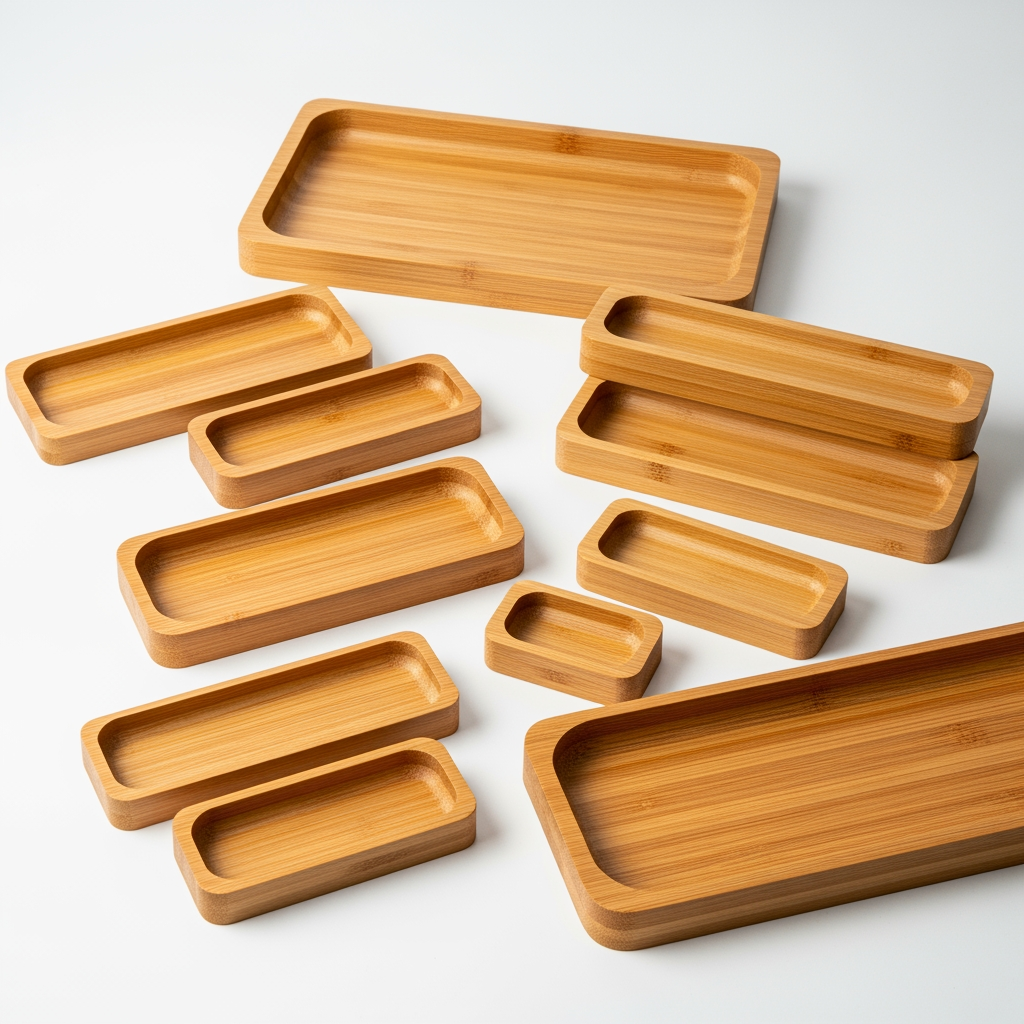
Bambu Haddeleme Tepsileri Toptan Satış: Komple Çevre Dostu B2B Alıcı Kılavuzu
Bambu haddeleme tepsileri, esrar aksesuarlarında en hızlı büyüyen segmenti temsil eder ve dispanserler tüketicinin sürdürülebilirlik tercihlerine yanıt verdikçe toptan satış talebi yıldan yıla %340 artar. Bambu tepsisi toptan satış ekonomisini, kalite farklılaşmasını ve satış stratejilerini anlamak, dispanserinizi günümüzün bilinçli esrar tüketicilerinden çevresel sorumluluk beklentilerini karşılarken prim marjlarını yakalayacak şekilde konumlandırır.
Bu kapsamlı toptan alıcı kılavuzu, bambu haddeleme tepsisi tedarikini, fiyatlandırma yapılarını, kalite göstergelerini ve özellikle dispanser sahipleri ve esrar perakendecileri için kar optimizasyon stratejilerini inceler. İster mevcut envantere çevre dostu seçenekler ekliyor olun, ister plastik ve metal alternatiflerinden tamamen uzaklaşıyor olun, bu kılavuz hem çevresel etkiyi hem de iş karlılığını en üst düzeye çıkarmak için uygulanabilir toptan istihbarat sağlar.
Bambu Rolling Tepsileri Neden Toptan Esrar Aksesuar Büyümesine Hakim Oluyor
Geleneksel malzemelerden bambu haddeleme tepsilerine geçiş, sürdürülebilirliğe yönelik daha geniş tüketici eğilimlerini yansıtıyor, ancak toptan satış ekonomisi, bambuyu dispanser kar marjları için özellikle çekici kılıyor. Bu pazar etkenlerini anlamak, alıcıların daha iyi toptan satış koşulları üzerinde pazarlık yapmasına ve ürünleri etkili bir şekilde konumlandırmasına yardımcı oluyor.
Consumer Sustainability Demands: 21-35 yaş arası esrar tüketicilerinin %73'ü, fiyat farklılıkları %20'nin altında olduğunda çevre dostu aksesuarları tercih ettiğini bildiriyor. Bambu tepsiler, perakendeci marjlarını koruyan rekabetçi toptan satış maliyetlerini korurken bu tercihi karşılıyor. Bambu seçenekleri sunan dispanserler, hem çevreye duyarlı alıcıları hem de sürdürülebilirliği kaliteyle ilişkilendiren premium istekli müşterileri yakalıyor.
Superior Wholesale Margins: Bambu haddeleme tepsileri genellikle boyuta ve özelleştirmeye bağlı olarak 3,50 $-8,50 $ arasında toptan satış yapar ve perakende fiyatlandırması 12,99 $-24,99 $ arasındadır. Bu, emtia plastik tepsilerindeki %40-50 marjlara kıyasla %60-70 brüt marj oluşturur. Bambu algılanan prim değeri, fiyata duyarlı müşterilerin direnci olmadan daha yüksek perakende fiyatlandırmasına olanak tanır.
Durability Reduces Returns: Bambu doğal yoğunluğu ve nem direnci yonga levha ve plastik alternatifleri daha uzun ömürlü ürünler oluşturmak.düşük kusur oranları ve daha az müşteri dönüşleri ilk toptan fiyatlarının ötesinde satılan malların toplam maliyetini azaltmak.akıllı dispanserler malzeme türüne göre iade oranlarını izlemek ve bambu sürekli en iyi performansı bulmak.
Customization Opportunities: Bamboo accepts laser engraving exceptionally well, creating özel haddeleme tepsisi opportunities that command premium pricing. Wholesale suppliers offering customization typically add $1.50-$3.00 per unit for branding, which retailers markup 3-4X for dispensary-branded merchandise programs.
Bambu Haddeleme Tepsisi Toptan Fiyatlandırma: Dispanserlerin Beklemesi Gerekenler
Toptan fiyatlandırma yapılarını anlamak, dispanserlerin etkili bir şekilde pazarlık yapmasına ve emtia satıcılarından kaliteli tedarikçileri belirlemesine yardımcı olur. Bambu tepsi toptan satış maliyetleri boyut, kalınlık, bitiş kalitesi ve sipariş miktarlarına göre önemli ölçüde farklılık gösterir - bu değişkenleri bilmek, perakende ortamları için yeterli kaliteyi sağlarken fazla ödemeyi önler.
Small Personal Trays (7"x5" - 9"x6"): Toptan satış fiyatları kalınlık ve bitiş bağlı olarak birim başına 2.50 $-5.00 $ arasında değişir.2.50 $-3.25 $ giriş seviyesi tepsiler tipik olarak temel zımparalama ile daha ince bambu (8-10 mm) içerir.4.00 $-5.00 $ 'daki premium seçenekler 12-15 mm kalınlık, yuvarlatılmış kenarlar ve çoklu bitiş katları sunar.Minimum sipariş miktarları genellikle küçük boyutlar için 50-100 birimden başlar.
Medium Rolling Trays (11"x7" - 13"x9"): En popüler toptan satış boyutu birim başına 4,50 $-8,50 $ arasında değişmektedir. Bu boyut, müşteriler için en iyi değer teklifini sunar - grup oturumları için yeterince büyük ancak depolama için kompakt. Dispanserler genellikle bu kategoride en yüksek ciroyu görür ve fiyatların genellikle%15-20 düştüğü 250+ birim siparişlerde hacim indirimleri için pazarlık yapmalıdır.
Large Statement Trays (14"x10" and larger): Bölmeler, oluklar ve özel şekiller gibi özelliklere bağlı olarak birim başına 8,00 $-15,00 $ arası toptan satış maliyetleri. Bu birinci sınıf ürünler, sergilenmeye değer parçalar isteyen müşterilere hizmet eder ve en yüksek perakende fiyat artışlarını kabul eder (genellikle %200-250). Daha düşük ciro, dikkatli envanter yönetimi gerektirir ancak satış başına büyük kar sağlar.
Bulk Order Tier Pricing: Toptan tedarikçiler fiyatlandırmayı genellikle katmanlar halinde yapılandırır: standart fiyatlandırmada 50-99 adet, %10-15 indirimde 100-249 adet, %18-25 indirimde 250-499 adet ve %25-35 indirimde 500+ adet. Çok lokasyonlu dispanserler maksimum indirimleri yakalamak için siparişleri birleştirmeli, bireysel lokasyonlar ise daha iyi fiyatlandırma için kooperatif satın alma gruplarını değerlendirebilir.
Kalite Göstergeleri: Bambu Haddeleme Tepsisi Toptan Satış Tedarikçilerinin Değerlendirilmesi
Tüm bambu haddeleme tepsileri eşit kalite sunmaz ve toptan fiyatlandırma tek başına değeri göstermez.Dispanserler, ürünlerin perakende standartlarını karşılamasını sağlamak ve marka itibarına zarar veren müşteri memnuniyetsizliğini en aza indirmek için birden fazla kalite faktörünü değerlendirmelidir.
Bamboo Source and Sustainability Certifications: Premium tedarikçiler FSC sertifikalı bambu ormanlarından kaynaklanır ve belgeler sağlar. Bu sertifika, eko-kimlik bilgilerini pazarlayan dispanserler için önemlidir ve yeşil yıkama suçlamalarına karşı koruma sağlar. Büyük siparişler vermeden önce tedarikçi sertifikaları isteyin - meşru tedarikçiler, şüpheli kaynaklar saparken veya gecikirken belgeleri kolayca sağlar.
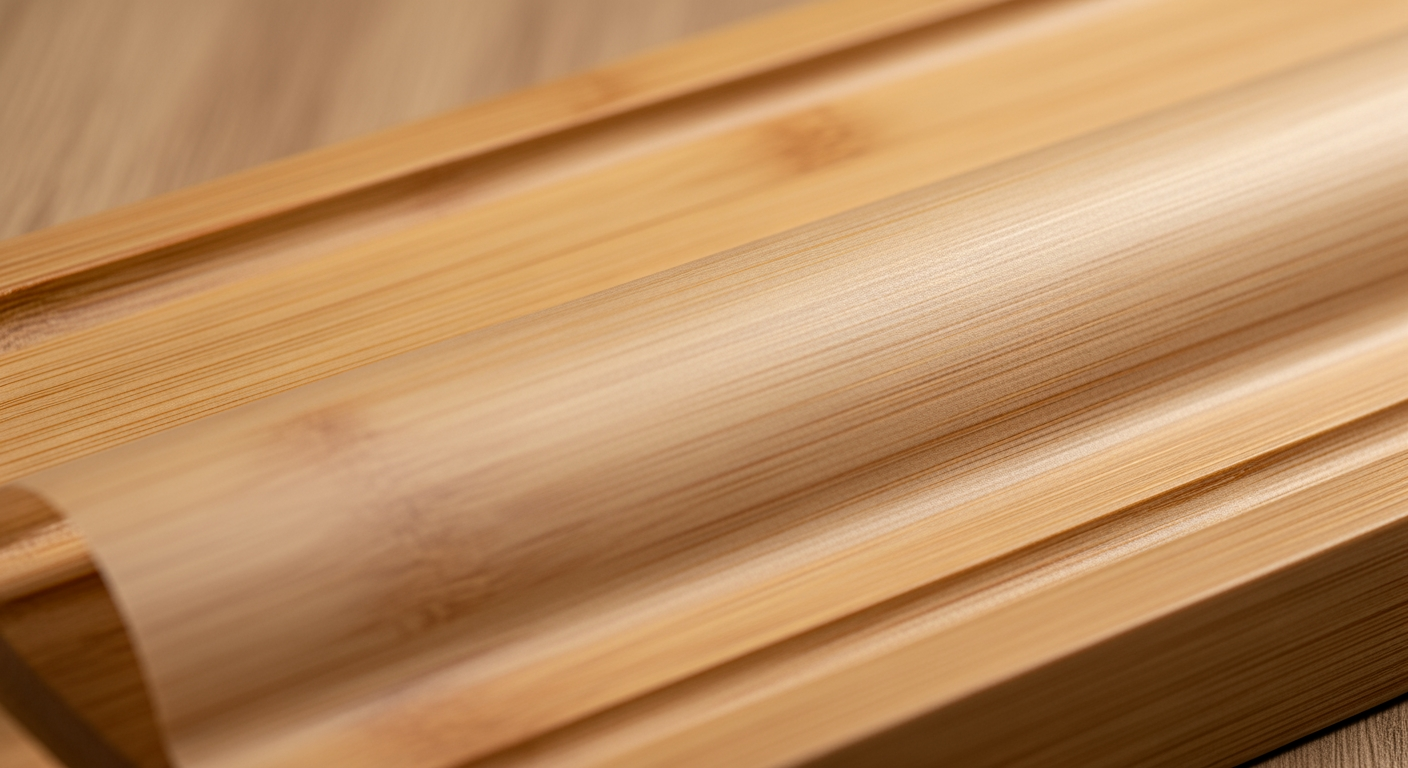
Thickness and Density: Kaliteli bambu haddeleme tepsileri dayanıklılık için minimum 12 mm kalınlık kullanır. Daha ince seçenekler (8-10 mm) dayanıksız hisseder, daha kolay çözgü yapar ve müşteri memnuniyetsizliği yaratır.Toptan siparişlerden önce fiziksel numuneler isteyin ve kaliperlerle kalınlığı ölçün - birçok tedarikçi spesifikasyonları abartır. Yoğun, ağır tepsiler, daha ucuz malzemeler üzerinde bambu kaplama kullanarak hafif alternatiflere karşı kaliteli bambu gösterir.
Edge Finishing and Sanding Quality: İyi üretilmiş tepsiler, kıymık veya pürüzlü yama içermeyen yuvarlak, pürüzsüz kenarlara sahiptir. Elinizi numunelerin tüm kenarları ve yüzeyleri boyunca çalıştırın - herhangi bir pürüzlülük üretim grupları arasında çoğalır. Kötü kenar bitirme, müşteri şikayetleri ve potansiyel yaralanma sorumluluğu yaratır. Premium tedarikçiler birden çok kez kumlanır ve bambuyu tamamen kapatan son katlar uygular.
Groove and Compartment Precision: haddeleme olukları veya depolama bölmeleri ile tepsiler sipariş ediyorsanız, derinlik tutarlılığını ve girintili alanların içindeki pürüzsüz bitirmeyi inceleyin. Kötü uygulanan bölmeler ucuz hisseder ve kaba bölümlerde kalıntı toplar. Kaliteli tedarikçiler, düzgün derinlikler ve pürüzsüz yüzeyler için CNC hassas kesim kullanır.
Dispensaries serious about quality should also stock özel ahşap haddeleme tepsileri alongside bamboo options, giving customers material choices while maintaining eco-friendly positioning across both categories.
Özelleştirme ve Markalaşma: Premium Toptan Satış Fırsatları
Bambu'nun lazer gravür uyumluluğu, emtia aksesuarlarını yüksek marjlı dispanser ürünlerine dönüştüren kazançlı özel markalama fırsatları yaratır. Özelleştirme ekonomisini ve minimum sipariş miktarlarını anlamak, dispanserlerin karlı markalı ürün gruplarını piyasaya sürmesine yardımcı olur.
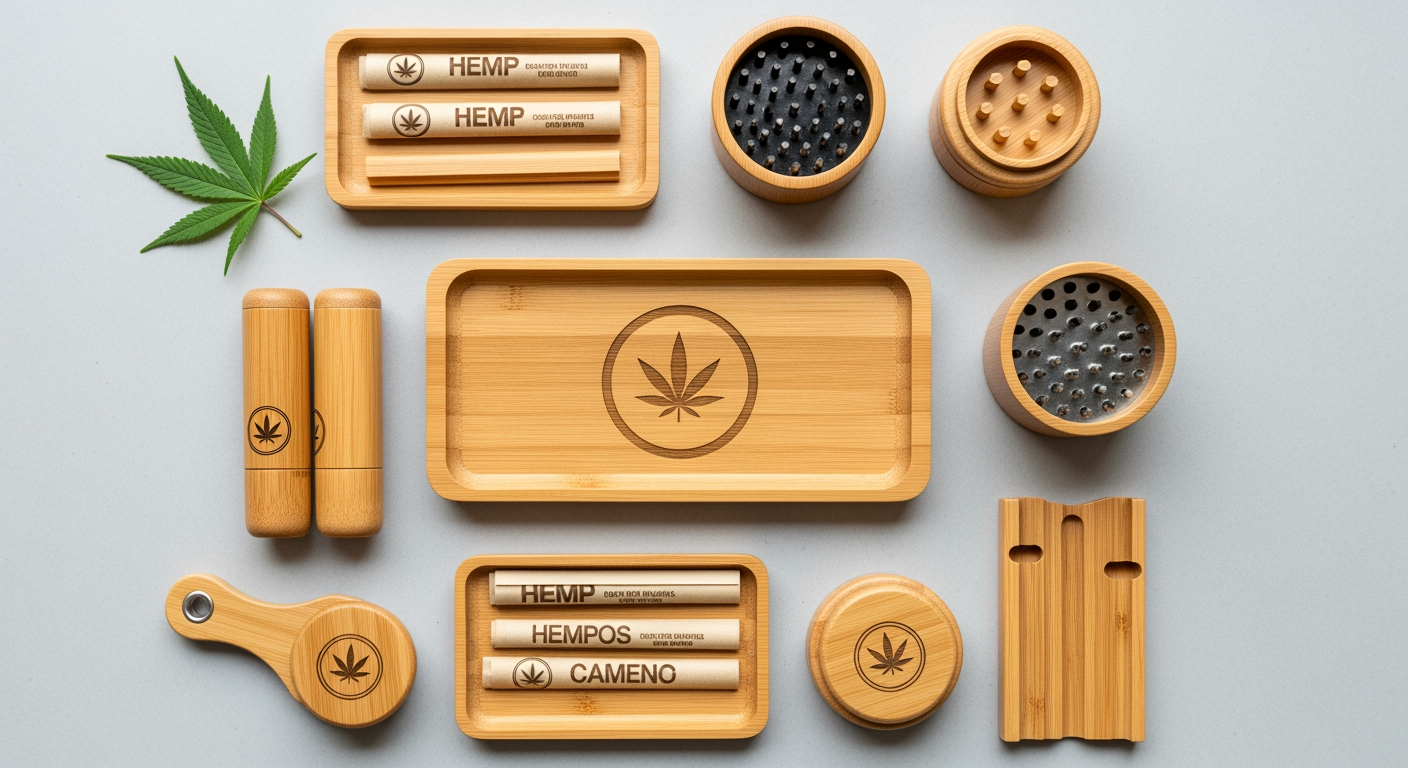
Laser Engraving Wholesale Costs: Çoğu tedarikçi, tasarım karmaşıklığına ve sipariş hacmine bağlı olarak özel lazer gravür için birim başına 1,50 $-3,00 $ ücret alır. Basit logo gravürü genellikle birim başına 100+ miktarda 1,50 $-2,00 a mal olurken, ayrıntılı sanat eserleri veya geniş kapsama alanları birim başına 2,50 $-3,00 a ulaşır. Bu maliyetler temel bambu tepsisi toptan fiyatlandırmasına eklenir ancak özel olmayan eşdeğerlerinden %40-60 daha yüksek perakende ürünler oluşturur.
Minimum Order Quantities for Customization: Özel gravür minimumları genellikle 50-100 adetten başlar, ancak premium tedarikçiler daha küçük siparişleri (25-50 adet) birim başına daha yüksek kişiselleştirme maliyetleriyle kabul edebilir. Dispanserler, daha büyük miktarlara taahhütte bulunmadan önce markalı ürünleri minimum siparişlerle test etmelidir - müşteri tepkisi pazara ve marka bilinirliğine göre önemli ölçüde değişir.
Design Specifications and Setup Fees: Expect one-time setup fees of $35-$75 for design conversion and laser programming. Suppliers should provide digital proofs showing exact engraving appearance before production. Vector files (AI, EPS, SVG) yield best results versus raster images (JPG, PNG) which may lose detail in laser engraving. Many dispensaries find partnering with özel haddeleme tepsisi uzmanları simplifies the design and production process versus managing multiple supplier relationships.
Branded Merchandise ROI: Özel markalı bambu tepsileri satan dispanserler, marka kimliğini ve müşteri sadakatini güçlendirirken genellikle %200-300 marj elde eder. 6,00 $ baz artı 2,00 $ özelleştirmeyle (toplam 8,00 $ toptan satış) 24,99 $-29,99 $ karşılığında orta boy bir bambu tepsi toptan satışı, birim başına 16,99 $-21,99 $ brüt kar elde eder. Yalnızca 200 markalı tepsinin yıllık satışları, müşterilerin ürünleri her kullandığında marka görünürlüğü oluştururken brüt karda 3.400 $-4.400 $ yaratıyor.
Tutarlı Kalite için Toptan Tedarikçi İlişkileri Yönetimi
Uzun vadeli tedarikçi ilişkileri, tedarik kesintileri sırasında daha iyi fiyatlandırma, tutarlı kalite ve öncelikli tedavi sağlar. Dispanserler, bambu tepsisi toptancılığına işlemsel satın alma yerine stratejik ortaklık geliştirme olarak yaklaşmalıdır.
Sample Orders Before Bulk Commitment: Toptan sipariş vermeden önce her zaman yeni tedarikçilerden 5-10 birim numune miktarı sipariş edin. Gerçek ürün kalitesini, paketleme durumunu, nakliye sürelerini ve müşteri hizmetleri yanıt verebilirliğini değerlendirin. Ücretsiz veya indirimli numuneler sunan tedarikçiler, ürünlerine olan güvenini gösterir. Tedarikçilerin numune siparişlerini reddetmesinden veya derhal minimum toptan satış miktarları talep etmesinden şüphelenin.
Quality Consistency Documentation: İlk siparişlerden fotoğraf örnekleri ve sonraki toptan gönderilerle karşılaştırın.Tedarikçilerin zaman içinde maliyetleri düşürmesi veya üretim kaynaklarını değiştirmesi nedeniyle kalite kayması sıklıkla meydana gelir. Herhangi bir kalite değişikliğini belgeleyin ve tedarikçilerle hemen iletişime geçin.Ünemli tedarikçiler çok yıllı ilişkiler yoluyla tutarlı kaliteyi korurken, bütçe tedarikçileri genellikle ilk siparişlerden sonra bozulma gösterir.
Payment Terms and Volume Commitment Negotiation: Yeni tedarikçi ilişkileri genellikle ön ödeme veya teslimatta ödeme gerektirir.2-3 başarılı sipariş yoluyla geçmiş oluşturduktan sonra, nakit akışını iyileştirmek için net-30 veya net-60 şartlarını müzakere edin.Çok konumlu dispanserler veya öngörülebilir hacme sahip olanlar, hacim taahhütleri karşılığında% 10-15 ek indirim için yıllık satın alma anlaşmalarını tartışmalıdır.
Backup Supplier Strategy: Tek kaynak kullanımı, tedarik kesintileri, kalite sorunları veya fiyatlandırma değişiklikleri konusunda güvenlik açığı yaratır. Bambu tepsileri gibi kritik envanter öğeleri için nitelikli yedek tedarikçileri koruyun. İlişkileri sürdürmek ve birincil tedarikçilerin sorunlarla karşılaşması durumunda alternatif kaynaklar sağlamak için ikincil tedarikçilerden üç ayda bir küçük miktarlarda sipariş verin.
Maksimum Perakende Hızı için Bambu Haddeleme Tepsilerinin Mağazacılığı
Uygun mağazacılık, bambu tepsisinin cirosunu ve karlılığını önemli ölçüde etkiler. Premium ürünler, premium sunum gerektirir - bambu tepsilerini ticari aksesuarlar gibi işlemek, önemli miktarda geliri gerçekleşmeden bırakır.
Environmental Positioning and Signage: Sürdürülebilirliği, bambu büyüme oranlarını (bazı türler 24 saatte 36 inç büyür) ve biyolojik olarak parçalanabilirliği vurgulayan satış noktası malzemeleri, birinci sınıf fiyatlandırmayı haklı çıkarır. "Eko Dostu Bambu - Plastiğe Sürdürülebilir Alternatif" yazan basit raf etiketleri, dispanser A/B test verilerine göre işaretsiz bambu tepsilere kıyasla satışları %25-30 artırır.
Tiered Good-Better-Best Displays: Açık farklılaşma ile üç farklı kalite katmanında bambu tepsileri sunun Giriş katmanı (12,99 $-14,99 $) bütçeye duyarlı müşterileri yakalar, orta kat (18,99 $-21,99 $) ana akım alıcılara hizmet eder ve premium kat (24,99 $-34,99 $) kalite odaklı tüketicilere hitap eder. Müşterilerin değer farklılıklarını anlarken uygun fiyat noktalarını kendileri seçmeleri için üç katmanı da birlikte görüntüleyin.
Cross-Merchandising with Complementary Products: Position bamboo trays alongside özel öğütücüler, yuvarlanan kağıtlar, and depolama çözümleri to encourage bundled purchases. "Complete Rolling Kit" displays featuring bamboo tray + grinder + papers + storage increase average transaction values 45-60% compared to individual accessory sales.
Seasonal and Holiday Bundling: Create gift sets pairing premium bamboo trays with complementary accessories during holidays and gifting seasons. A bamboo tray + quality 4 parçalı öğütücü + rolling papers bundled at $59.99 (versus $70+ individual pricing) moves premium inventory during Q4 while maintaining strong margins on bundled sales.
Sürdürülebilirlik Pazarlaması: Çevresel Değerleri Satışa Dönüştürmek
Müşteriler giderek artan bir şekilde çevresel etkiye dayalı satın alma kararları veriyor, ancak etkili sürdürülebilirlik pazarlaması belirsiz "çevre dostu" konumlandırma yerine gerçeklerle desteklenen belirli iddialar gerektiriyor.
Bamboo Growth and Renewability Facts: Bambu açıklamak için personel eğitmek olgunluk hasat için büyür 3-5 yıl ve sert ağaçlara karşı 20-50 yıl gerektirir.bu hızlı yenilenebilirlik bambu Dünya'nın en sürdürülebilir malzemelerden biri yapar.Müşteriler genel çevresel iddialara karşı belirli gerçekleri takdir.bambu bahsetmek tomurcuklanmacılar tren yeniden dikmeden köklerinden rejeneresans - bu gerçek tek başına bambu tepsi dönüşümleri artırır % 15-20.
Plastic Waste Reduction Messaging: Bambu tepsileri, petrol bazlı ürün tüketimini azaltan doğrudan plastik alternatifler olarak konumlandırın Etkiyi ölçün: "Plastik haddeleme tepsileri yerine bambu seçmek, çöplüklerde 400+ yıl boyunca varlığını sürdüren petrol bazlı malzemeleri ortadan kaldırır." Somut çevresel etki beyanları, soyut sürdürülebilirlik iddialarından daha güçlü bir şekilde yankı buluyor.
Biodegradability and End-of-Life Disposal: Kalıcı atık haline gelen metal veya plastik tepsilerin aksine, bambu tepsiler biyolojik olarak bozunur veya kullanım ömrünün sonunda kompostlanabilir. Ürün ambalajı veya raf tabelalarına imha talimatlarını ekleyin: "Tamamen biyolojik olarak parçalanabilir - bahçe atıklarını değiştirirken veya imha ederken kompost." Bu tam yaşam döngüsü hikayesi, bambuyu diğer tüm döner tepsi malzemelerinden ayırır.
Local and Ethical Sourcing Stories: Toptan tedarikçiniz kaynak bulma şeffaflığı sağlıyorsa, bu hikayeleri müşterilerle paylaşın. "[bölgedeki] FSC sertifikalı bambu ormanlarından sürdürülebilir bir şekilde hasat edilmiştir", premium fiyatlandırmayı emreden ürün orijinalliği yaratır. Sürdürülebilirlik için daha fazla ödeme yapmak isteyen müşteriler, değerlerine dayalı satın alımlarının doğrulanmasını istiyor gerçek etki yaratıyor.
Toptan Satış Ekonomisi: İlk Maliyetlerin Ötesinde Gerçek Kârlılığın Hesaplanması
Sofistike dispanserler, yalnızca toptan satın alma fiyatlandırması yerine, iade, hasar ve taşıma maliyetleri de dahil olmak üzere satılan malların toplam maliyetini değerlendirir. Bambu haddeleme tepsileri, bazen daha yüksek ön maliyetlere rağmen genellikle üstün toplam ekonomi sağlar.
Return Rate Impact on True COGS: Bambu tepsiler tipik olarak% 1-2 iade oranları preslenmiş ahşap için% 5-8 ve düşük kaliteli plastik tepsiler için% 8-12. Eğer% 10 getiri ile plastik karşı% 1.50 ile plastik karşı% 1.5 getiri ile 6.00 $ bambu tepsiler toptan varsa, geri dönüşler dahil birim başına gerçek maliyetler plastik için 3.85 $ karşı bambu için $ 6.09 - üstün müşteri memnuniyeti sunarken görünür maliyet açığını önemli ölçüde daraltmak.
Inventory Turnover Optimization: Bambu tepsilerin premium konumlandırması genellikle emtia alternatiflerinden daha yavaş ciro yaratarak taşıma maliyetlerini ve nakit akışını etkiler. Stok 60-90 günlük bambu envanterine karşılık 30-45 günlük bütçe alternatifleri, kullanılabilirliği sermaye verimliliğine karşı dengelemek için. Satış hızınıza özel yeniden sipariş miktarlarını optimize etmek için SKU tarafından dönüş oranlarını izleyen envanter yönetim sistemlerini kullanın.
Margin Dollars Versus Margin Percentages: 6,00 dan toptan bir bambu tepsi ve 19,99 dan perakende satış %70 marj ve 13,99 $ marj doları üretir. 3,00 dan plastik tepsi toptan satışı ve 7,99 dan perakende satış %62 marj üretir ancak yalnızca 4,99 $ marj doları üretir. Sadece yüzde marjları yerine satılan birim başına mutlak kar dolarına odaklanın - bambu, benzer marj yüzdelerine rağmen satış başına yaklaşık 3 kat kar sağlar.
Customer Lifetime Value Enhancement: Premium bambu tepsileri satın alan müşteriler, dispanser müşteri segmentasyon analizine göre% 25-35 daha yüksek ömür boyu değerler sergiliyor. Bu alıcılar daha sık geri dönüyor, daha yüksek marjlı ürünler satın alıyor ve daha güçlü marka sadakati gösteriyor. Bambu tepsi satın alımları yoluyla satın alma, bütçe aksesuarı alıcılarından daha değerli uzun vadeli müşteri ilişkileri yaratıyor.
Boyut Seçim Stratejisi: Toptan Envanter Karışımının Optimize Edilmesi
Uygun boyut aralıklarının stoklanması, ölü envanteri en aza indirirken satışları en üst düzeye çıkarır. Çok konumlu dispanserlerden elde edilen veriler, bambu tepsi boyutu tercihlerinde optimum toptan siparişi bildiren net desenler ortaya çıkarır.
Small Trays (7"x5" to 9"x6") - 25% of Mix: Bireysel tüketiciler ve seyahat amaçları için kişisel kullanım boyutu.bütçe, orta sınıf ve üstün kaliteyi temsil eden stok 2-3 küçük tepsi seçeneği.Bu boyutlar, 12,99 $-16,99 $ perakende fiyatlandırmasıyla anlık satın alımlar için iyi çalışır. Bunlar ana akım haddeleme ihtiyaçları yerine niş kullanım senaryolarına hizmet ettiğinden toptan daha küçük miktarlar.
Medium Trays (11"x7" to 13"x9") - 55% of Mix: En yüksek ciro ve en geniş müşteri çekiciliği sunan hacim sürücüsü. Tam kalite ve fiyat aralığını kapsayan stok 4-5 orta seçenekler. Bu boyut kategorisi, hem çalışma alanı isteyen bireysel kullanıcılara hem de küçük grup oturumlarına hizmet verdiği için en büyük toptan envanter yatırımını almalıdır. Stokların tükenmesini önlemek için en çok satan orta tepsilerde daha derin envanter (90-120 gün) tutun.
Large Trays (14"x10" and larger) - 20% of Mix: Statement pieces for dedicated consumers and commercial applications like consumption lounges. Stock 2-3 large format options in premium quality only - customers buying large trays prioritize quality over price. These slower-turning items require less inventory depth but command highest per-unit profits. Consider large bamboo trays alongside büyük kapasiteli öğütücüler for heavy-use customer segment.
Daha İyi Bambu Tepsi Fiyatlandırması için Toptan Müzakere Taktikleri
Dispanserler, ilk toptan fiyat tekliflerinin pasif kabulü yoluyla masada önemli miktarda para bırakır Stratejik müzakere, kalite veya tedarikçi ilişkilerinden ödün vermeden marjları iyileştirir.
Volume Commitment for Tiered Discounting: "Daha iyi fiyatlandırma" istemek yerine, belgelenmiş indirimler karşılığında belirli hacim taahhütleri önerin. "Standart fiyatlandırmada %22 indirim sağlarsanız üç ayda bir 500 birim taahhüt edeceğiz" belirsiz müzakerelere karşı net bir değer değişimi yaratır. Tedarikçiler somut tekliflere genel fiyat indirimi taleplerinden çok daha iyi yanıt veriyor.
Annual Purchase Agreements with Locked Pricing: Bambu fiyatları kereste pazarları ve nakliye maliyetleri ile dalgalanma.piyasa değişiklikleri ne olursa olsun kilitli fiyatlandırma karşılığında minimum yıllık hacimleri taahhüt eden 12 aylık satın alma anlaşmaları önermek.bu tedarikçiler garantili gelir verirken yıl ortası fiyat artışlarından marjlarınızı korur.yıl sonu envanter dökümlerini önlemek için toplam yıllık minimumlar yerine üç aylık hacim kapıları dahil.
Payment Terms as Negotiation Leverage: Tedarikçiler hızlı ödeme ve nakit akışı öngörülebilirliğine değer verir. Standart net-30 şartlarına göre%5-8 ek indirim karşılığında ön ödeme veya 15 günlük ödeme koşulları sunun. İyi sermayeli dispanserler için bu ödünleşim birim başına maliyetleri önemli ölçüde azaltır. Hızlandırılmış ödeme koşullarını kabul etmeden önce indirim yüzdesinin sermaye maliyetinizi aşıp aşmadığını hesaplayın.
Multi-Product Bundling for Portfolio Discounts: Bambu tepsileri artı diğer aksesuarları (öğütücüler, kağıtlar, depolama) sipariş ediyorsanız, bireysel ürün fiyatlandırması yerine toplam sipariş değerine göre portföy indirimleri için pazarlık yapın. Tedarikçiler, bireysel ürün kategorileri normal hacim indirim eşiklerinin altına düşse bile, toplam siparişler 2.500 $-5.000 ı aştığında genellikle %10-15 ek indirim sağlar.
Toptan Gönderilerde Kalite Kontrol ve Teslim Alma İşlemleri
Alma sırasında sistematik kalite kontrolünün uygulanması, kusurlu ürünlerin satılmasını önler ve kalite standartları konusunda tedarikçinin hesap verebilirliğini güçlendirir.
Statistical Sampling Inspection Protocol: 100+ adetlik siparişler için, rastgele seçilen %10'luk ürünleri teslim aldıktan hemen sonra inceleyin. Boyutları, yüzey düzgünlüğünü, kenar kaplamasını ve genel inşaat kalitesini kontrol edin. Gönderiyi kabul etmeden önce fotoğraflarla ilgili sorunları belgeleyin. Bu örnekleme, ürünler perakende raflara ulaşmadan önce sistemik kalite sorunlarını yakalar.
Dimension Verification: Tedarikçiler bazen maliyetleri azaltmak için belirtilenden daha küçük boyutlar gönderir. Sipariş özelliklerine göre gönderi başına 3-5 rastgele birim ölçün. 5mm+ boyut farklılıkları kasıtlı spesifikasyon oyunlarını gösterir. Sorunlar tekrarlanırsa derhal adres verin ve tedarikçi değiştirmeyi düşünün.
Defect Rate Documentation: Kalite eğilimlerini belirlemek için tedarikçi tarafından gönderi başına kusurları takip edin Bambu tepsiler için kabul edilebilir kusur oranları% 1-2 oranında çalışır. Sürekli olarak% 3-4 kusurları aşan tedarikçiler, değiştirme talepleri ile resmi kalite şikayetleri almalıdır. Birden fazla gönderide% 5 kusurları aşan tedarikçiler, fiyatlandırma avantajlarından bağımsız olarak değiştirilmelidir.
Packaging Condition Assessment: Hasarlı ambalaj ile gelen bambu tepsiler genellikle gizli ürün hasarına sahiptir.önemli ambalaj hasarı ile gönderileri reddedin veya taşıyıcı ve tedarikçi ile kapsamlı bir şekilde belgeleyin.Premium tedarikçiler, bambu tepsileri koruyucu ambalaj ve köşe korumaları ile paketler - minimum ambalaj, muhtemelen ürün kalitesine kadar uzanan maliyet düşürmeyi gösterir.
Bambu Haddeleme Tepsisi Toptan Satış Pazarlarında Yükselen Trendler
Pazar trendlerinin önünde kalmak, dispanserleri rekabet pazar fırsatlarını doyurmadan önce ortaya çıkan talebi yakalamaya yönlendirir.
Magnetic Compartment Integration: Daha yeni bambu tepsi tasarımları, manyetik depolama bölmelerini ve alet tutucularını içerir. Bu katma değerli özellikler, 2 $-4 $ primlerle toptan satılır, ancak 10 $-15 $ daha yüksek fiyatlarla perakende satılır ve genişletilmiş marj fırsatları yaratır. Piyasa doygunluğundan önce erken benimsenme, bu özellikler beklenen standartlar haline gelmeden önce premium istekli müşterileri yakalar.
Artistic Collaboration Limited Editions: Bazı toptan tedarikçiler artık sınırlı üretim çalışmalarında özel tasarımlara sahip sanatçı işbirliği bambu tepsileri sunuyor. Bu özel ürünler %40-60 primle toptan satılıyor, ancak %100-150 primle perakende satılıyor, koleksiyoncu ve meraklı segmentlerini hedefleyen dispanserler için olağanüstü marj fırsatları yaratıyor. Sınırlı kullanılabilirlik, premium fiyatlandırmaya rağmen daha hızlı ciroyu artıran aciliyet yaratıyor.
Modular Accessory Ecosystems: İleri görüşlü tedarikçiler, bambu estetiğine uygun öğütücüler, saklama kapları ve organizasyonel aksesuarları koordine eden bambu tepsi sistemleri geliştirir. Eksiksiz ekosistemleri stoklamak, paket satışlara ve daha yüksek ortalama işlem değerlerine olanak tanır. Koordineli aksesuar koleksiyonları oluşturan müşteriler, setlerin tamamlanmasına tekrar tekrar geri dönerek ömür boyu değeri artırır.
Hybrid Material Premium Tier: Lüks bambu tepsiler artık metal vurgular, reçine kaplamalar ve toptan 15 $-25 $ fiyatla, ancak perakende olarak 49,99 $-79,99 $ fiyatla satılan birinci sınıf son işlem işlemlerini içeriyor. Bu ultra premium seçenekler, işlevsel sanat eserleri isteyen müşterilere hizmet ediyor. Aşırı envanter yatırımı yapmadan üst düzey pazar segmentini yakalamak için standart bambu tepsilerin yanı sıra 1-2 lüks seçeneği stoklayın.
Sonuç: Karlı ve Sürdürülebilir Bambu Tepsi Programları Oluşturmak
Bambu haddeleme tepsileri toptan satış fırsatları, dispanserlere stratejik olarak yaklaşıldığında üstün marjlar, çevresel konumlandırma ve müşteri memnuniyeti sağlar. Başarı, işlemsel emtia satın almanın ötesinde, düşünceli tedarikçi seçimi, kalite doğrulama, stratejik satış ve müşteri eğitimine geçmeyi gerektirir.
Bu kılavuzda özetlenen toptan satış stratejilerini uygulayan dağıtıcılar - titiz tedarikçi değerlendirmesi, veriye dayalı boyut karışımı optimizasyonu, değere dayalı fiyatlandırma ve sürdürülebilirlik pazarlaması - çevre yoluyla marka farklılaştırmasını oluştururken genellikle döner tepsi kategorilerinde %15-25 daha yüksek brüt kar doları elde eder. liderlik.
Tüketici sürdürülebilirlik tercihleri ve elverişli toptancı ekonomisinin kesişimi, bambu haddeleme tepsilerini esrar aksesuarlarında en yüksek fırsat kategorilerinden biri haline getiriyor. Bu büyümeyi erken yakalayan dispanserler, rekabet kategoriyi metalaştırmadan önce pazar konumunu oluşturuyor.
Ready to enhance your dispensary's eco-friendly accessory offerings? MunchMakers'ın toptan bambu haddeleme tepsisi programlarını, özel markalama seçeneklerini ve eksiksiz sürdürülebilir aksesuar çözümlerini keşfedin designed specifically for cannabis retailers seeking premium quality, competitive pricing, and reliable supplier partnership.