Introduction
Business card rolling papers became a thing because people got creative with what they had. These rolling papers are made from repurposed business cards - basically a cheap and discreet way to roll up. Now you can get personalized rolling papers where you submit your own designs, kind of like making custom business cards but for smoking. In this article, we'll talk about where business card rolling papers came from, the good and bad sides of using them, and how to roll a joint with one. We'll also get into which business cards work best, what the future looks like, and whether this whole thing is even safe or legal. Business cards as rolling papers goes back to the 1960s counterculture. Cannabis was getting more popular and people were looking for creative ways to smoke. Business cards were thin and flexible, so they worked. The trend caught on because business cards were everywhere and free. People hand them out for networking, so they were easy to grab. That made them perfect for rolling a joint on the go.Introduction to Custom Rolling Papers
Custom rolling papers have gotten pretty popular in the cannabis world. They give businesses and people a way to promote their brand and make an impression. You can design and print custom artwork on rolling papers, so businesses can create their own brand of rolling papers with their logo, message, and values. It's not just a smoking accessory - it's a marketing tool that can set you apart. Whether you run a dispensary, a lifestyle brand, or organize events, custom rolling papers are a creative way to connect with your audience.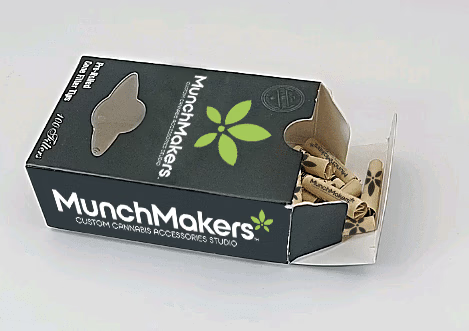
The History of Rolling Papers
Rolling papers have been around since the 16th century. They were first used in Spain for rolling tobacco. Over the centuries, they spread across Europe and the Americas. It wasn't until the 20th century that rolling papers became popular for cannabis. Now, with the cannabis industry booming, rolling papers are a staple. Today you can get them in all kinds of sizes, materials, and designs - from traditional rice and hemp papers to modern, eco-friendly options.How Business Card Rolling Papers Became a Trend
DIY culture and social media made business card rolling papers popular. DIY culture is all about repurposing everyday stuff and finding creative uses for it. Rolling a joint with a business card fits perfectly - it's taking something that would be thrown away and giving it a new purpose. Custom booklets also fit into this trend. They're versatile promotional tools that can be handed out at events or used for branding. You can carry them in pockets or bags, making them useful for different industries. Social media platforms like Instagram and TikTok played a huge role too. Videos and photos of people rolling a joint with a business card went viral. The visual appeal combined with how easy it is to share content made business card rolling papers a trend.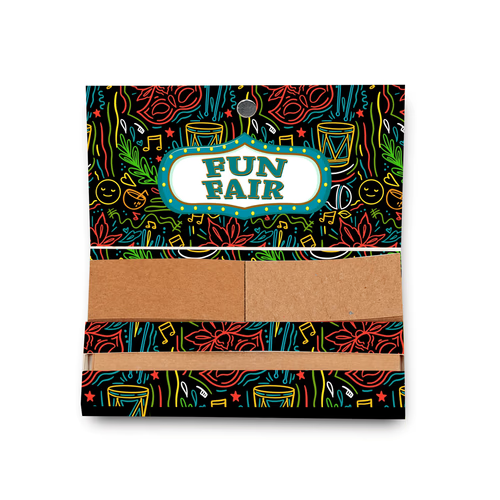
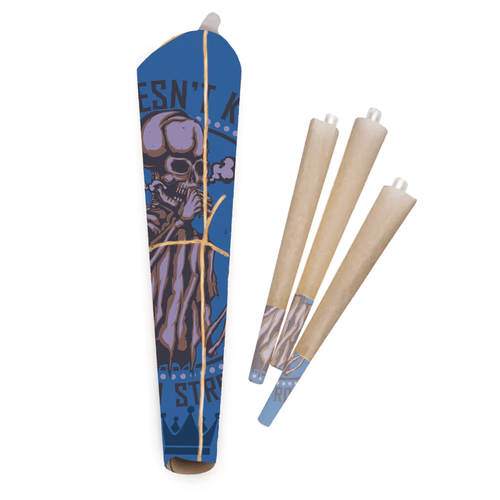
Custom King Size Regular Rolling Papers
The Good Side of Using Business Card Rolling Papers
There are some decent reasons to use business card rolling papers. First, they're convenient. Business cards are everywhere, so they're easy to grab when you want to roll. You can carry them in a wallet or pocket, so you always have one when you need it. Plus, shipping options are available, including express, so you can get them quickly. Second, they're cheap. Business cards are often free or low-cost, so they're way more affordable than buying rolling papers. This helps if you smoke joints often and want to save money. Third, they're discreet and portable. The small size makes them easy to hide and carry around. Good if you want to smoke in public without being obvious.The Bad Side of Using Business Card Rolling Papers
But there are also downsides. First, there are health risks. Business cards aren't made to be smoked, and the ink and chemicals used to make them can be harmful when burned and inhaled. This can mess with your lungs and cause other health problems. Second, the quality sucks. Business cards aren't designed for rolling joints, so they might not burn evenly or give you the same experience as real rolling papers. This can make smoking less enjoyable. Third, there might be legal issues. In some places, using business cards as rolling papers could be considered drug paraphernalia, which is illegal. Check the laws in your area before using business cards to avoid getting in trouble.Business Card Rolling Papers: A Marketing Opportunity
Business card rolling papers give businesses a cool marketing opportunity. By designing and printing custom artwork on rolling papers, businesses can create something unique that reflects their logo, message, and values. These can be used as promotional items, packaging, or as a way to create a memorable brand experience. Imagine handing out business card rolling papers at a trade show promotional items or including them in a product package - it's a fun and innovative way to engage with your audience. With the ability to customize rolling papers with business details, you create a product that's both functional and promotional, keeping your brand top of mind.How to Roll a Joint with a Business Card
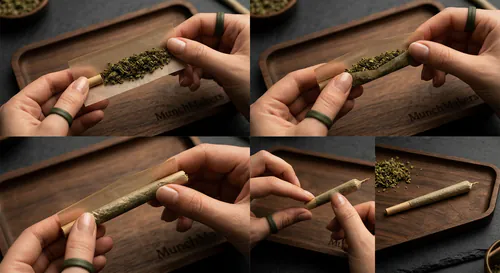
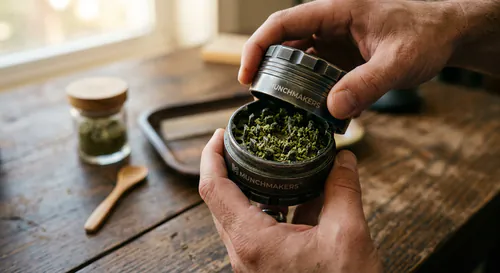
Rolling a joint with a business card is pretty simple. Here's how: 1. Get your stuff: You need a business card, cannabis, a grinder (optional), and a lighter. 2. Prep your cannabis: If using a grinder, grinding your herbs to the right consistency. If not, break it up by hand. 3. Fold the card: Fold the business card in half lengthwise, creating a crease in the middle. 4. Fill it up: Put a small amount of ground cannabis along the crease. 5. Roll it: Using your fingers, gently roll the card back and forth, tucking the cannabis inside and shaping it into a joint. 6. Seal it: Once rolled, use your fingers to seal the edge, making sure the joint is tightly packed. 7. Light it: Use a lighter to light the end and enjoy. Tips for beginners: - Start with a small amount so you don't overpack it. - Use your fingers to shape and mold the joint as you roll. - Take your time. Rolling with a business card takes practice.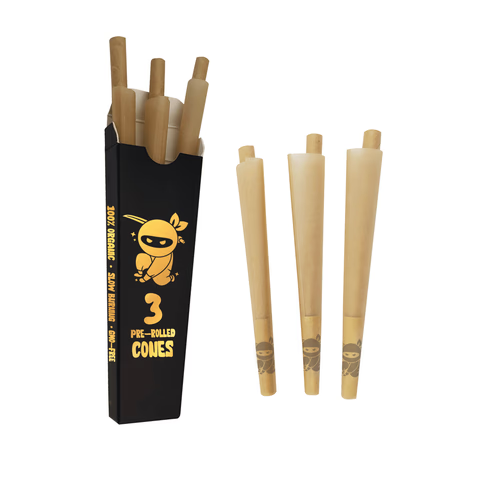
Custom Folded Rolling Tray - Keep everything organized while you roll
The Best Business Cards for Rolling Papers
When picking a business card for rolling papers, here's what to look for. First, get one made from quality materials. Thicker cardstock will give you a more durable rolling paper that's less likely to tear or burn unevenly. You can also create personalized rolling papers by submitting your own designs, similar to making original business cards. After ordering, you can confirm your design before production. Second, think about the size and shape. Business cards come in different sizes, so choose one that works for the size of joint you want. Also, consider the shape. Some have rounded corners, which can make rolling harder. Third, think about the design. While this doesn't affect functionality, choosing a business card with a cool design can make the whole smoking experience better. Some recommended types: - Moo Business Cards: High-quality cards made from premium cardstock. They come in different sizes and finishes, letting you customize them. - Vistaprint Business Cards: A wide range of customizable cards made from durable materials. They also have rounded corner options, which can help with rolling. - DIY Business Cards: If you're creative, make your own. This lets you customize the size, shape, and design however you want.Custom Rolling Trays
Designing Your Own Rolling Papers
Designing your own rolling papers can be fun and creative. With the ability to customize rolling papers with your own artwork, logo, and message, you can create something unique that reflects your brand and values. Here are some tips:- Use high-quality materials that are sustainable and eco-friendly. This gives a better smoking experience and aligns with what consumers want.
- Choose a design that looks good and reflects your brand's message and values. A well-designed rolling paper can make a lasting impression.
- Add business details like your logo, website, and social media handles. This turns your rolling papers into a marketing tool that can drive traffic and engagement.
- Use a design that's consistent with your brand's overall look. Consistency helps build a strong and recognizable brand identity.