
Kief Catcher Guide: 4-Piece Grinder Value Explained
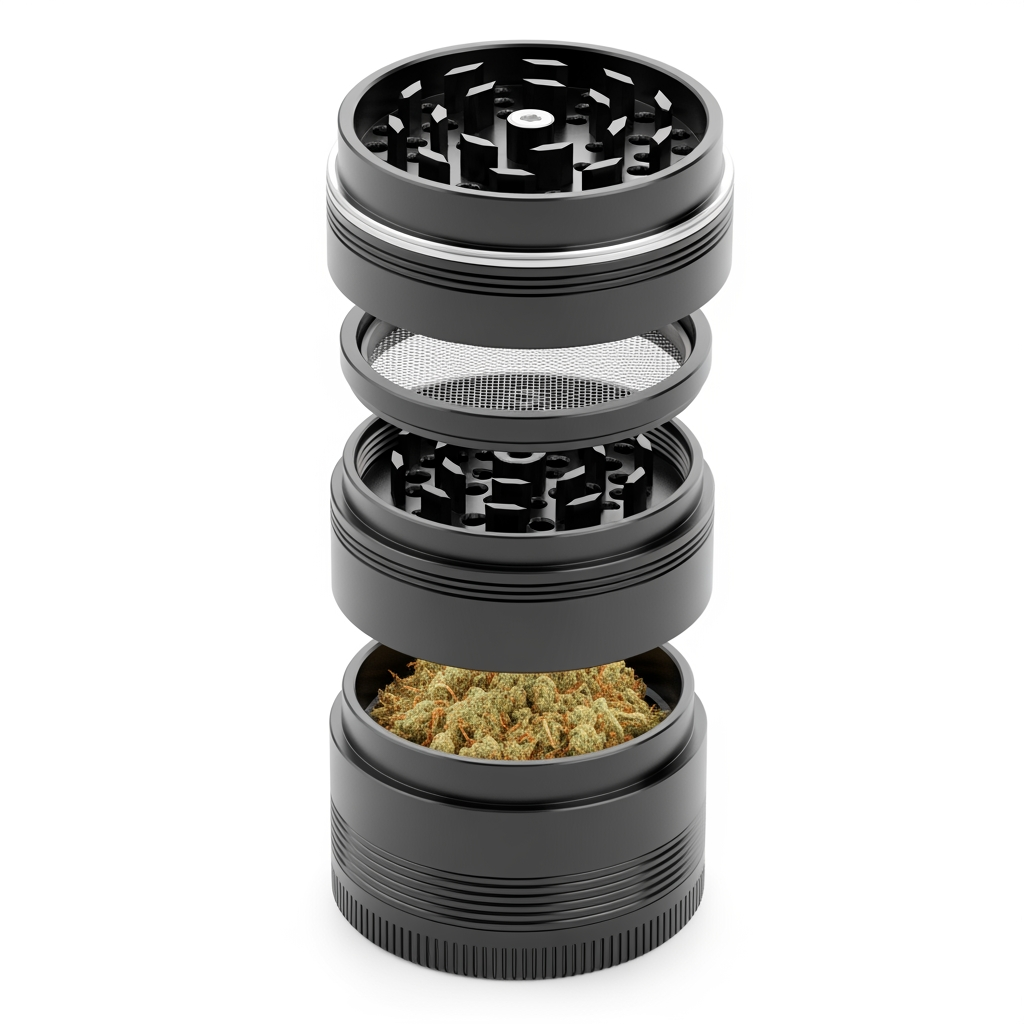
Kief Catcher Guide: The Complete 4-Piece Grinder Value Proposition
Four-piece grinders with integrated kief catchers represent 60-70% of premium grinder sales and deliver dispensaries the highest profit margins in cannabis accessories - yet many customers don't understand kief collection mechanics or the value justifying 40-60% price premiums over basic 2-piece models. Effective kief catcher education converts price-sensitive customers into premium buyers while building product knowledge that strengthens dispensary reputation as expert resource rather than simple retail transaction point.
This comprehensive guide examines kief catcher mechanics, screen mesh specifications, collection optimization techniques, and customer education strategies that position 4-piece grinders as value investments rather than luxury accessories. Understanding trichome separation science, mesh specifications, and collection variables helps dispensary staff explain premium grinder benefits convincingly while setting realistic customer expectations that prevent dissatisfaction and returns.
Kief Catcher Fundamentals: How 4-Piece Grinders Extract Trichomes
Most customers understand that kief catchers collect trichomes but don't grasp the mechanical separation process or why specific design features matter. Building foundational understanding helps customers appreciate quality differences and accept premium pricing.
Trichome Structure and Separation Mechanics: Cannabis trichomes consist of stalk structures topped with bulbous glands containing concentrated cannabinoids and terpenes. These glandular heads break free from stalks during grinding and handling, creating loose particulates that fall through screen mesh while larger plant material remains above. Quality 4-piece grinders optimize this natural separation through precisely-sized mesh and chamber geometry encouraging trichome head accumulation.
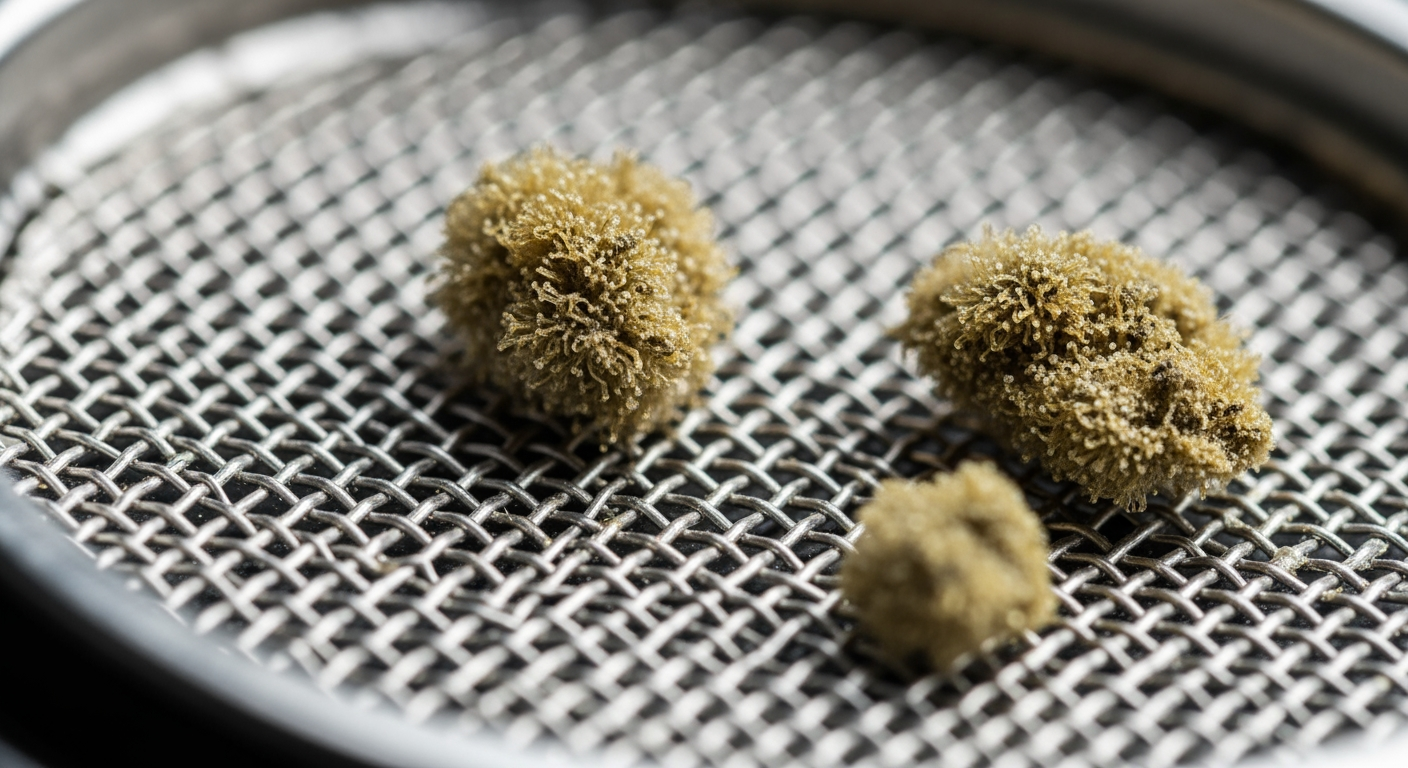
Screen Mesh Size Specifications: Effective kief screens typically employ 80-120 lines per inch (LPI) mesh - approximately 150-200 micron openings. This size allows trichome heads (typically 50-100 microns) and small broken trichomes to pass through while blocking plant material particles. Finer mesh (150+ LPI) clogs rapidly and reduces collection rates, while coarser mesh (60 LPI or less) allows excessive plant material contaminating kief purity. Premium grinders specify exact mesh LPI rather than vague "fine mesh" descriptions.
Chamber Configuration Impact: Four-piece designs create dedicated kief collection chamber below screen-equipped middle chamber where ground flower accumulates. This separation keeps collected kief isolated from regular flower, preventing loss during dispensing and allowing long-term accumulation. Three-piece grinders with screens mixed into flower collection chambers perform poorly because opening chamber for flower access disturbs accumulated kief. The dedicated fourth chamber justifies pricing premium through functional superiority.
Material Agitation and Collection Rates: Kief collection occurs primarily during material agitation as ground flower moves across screen surfaces. Each rotation, shake, and bump dislodges additional trichome heads that fall through mesh. Grinders promoting efficient material movement across screens collect kief faster than designs where ground flower accumulates in stationary piles. Smooth chamber interiors and proper sizing encourage movement optimizing collection efficiency.
The Value Proposition: Why 4-Piece Grinders Justify Premium Pricing
Converting customers from budget 2-piece grinders to premium 4-piece models requires articulating concrete value beyond just "it collects kief." Quantifying benefits helps overcome price resistance and positions dispensaries as consultative advisors rather than pushy salespeople.
Yield Enhancement Through Trichome Recovery: Normal flower handling breaks thousands of trichome heads that coat grinder interiors, storage containers, and handling surfaces as sticky residue eventually lost. Four-piece grinders capture 70-85% of these broken trichomes as usable kief rather than wasted coating. For customers consuming 1 gram daily, this recovers approximately 0.1-0.15 grams kief per week - 5-7 grams monthly worth $30-50+ retail. The grinder pays for itself in recovered value within 2-3 months while continuously generating "free" kief thereafter.
Potency Concentration Benefits: Separated kief typically measures 40-60% THC versus 15-25% in original flower. This concentration creates powerful topping for bowls, joint enhancement, or standalone consumption. Customers can make normal flower substantially more potent using their own collected kief rather than purchasing concentrates. Positioned correctly, kief collection represents a cost-saving measure that actually makes the grinder investment financially sensible.
Grinder Cleanliness and Maintenance: Designs capturing trichomes in dedicated chambers rather than coating all interior surfaces stay cleaner longer and require less frequent maintenance. Two-piece grinders accumulate sticky residue throughout chambers and threads, demanding weekly cleaning for daily users. Quality 4-piece grinders may run 3-4 weeks between cleanings as kief falls into collection chamber rather than coating working parts. Reduced maintenance effort represents legitimate time-saving value.
Long-Term Accumulation Satisfaction: The psychology of watching kief accumulate over weeks creates user satisfaction that strengthens brand loyalty and perceived product value. Customers feel rewarded each time they open kief chambers to see collected trichomes - this emotional benefit may exceed practical utility for some users. Dispensaries should emphasize this satisfaction element when discussing 4-piece benefits, as it resonates with customers even if they don't consume kief frequently.
Screen Mesh Quality: Critical Specification Often Overlooked
Screen quality varies dramatically between manufacturers and directly determines kief collection efficiency and longevity. Dispensary buyers must evaluate mesh specifications carefully when selecting wholesale grinder suppliers to ensure customer satisfaction.
Mesh Material Composition: Premium grinders use stainless steel mesh for durability, corrosion resistance, and structural stability. Budget alternatives employ aluminum screens that bend, tear, and degrade faster under use. Some low-end grinders use synthetic mesh that stretches, allowing plant material contamination of kief over time. Always verify metal mesh construction before wholesale purchasing - plastic or nylon screens indicate poor quality products likely to generate customer complaints.
Tension and Mounting Method: Screens must maintain tight, flat positioning to function properly. Quality grinders stretch mesh taut across frames and secure with compression rings or adhesive ensuring no sagging or gaps. Loose, wrinkled screens allow plant material to bypass filtering and create poor kief purity. Examine sample grinders checking screen flatness and tension - any visible wrinkles or give when pressing gently indicate inadequate construction.
Mesh Consistency and Hole Uniformity: Premium screens show consistent opening sizes throughout mesh area, while budget screens often have irregular openings from poor manufacturing. Irregular mesh creates inconsistent separation with some areas collecting efficiently while others allow plant contamination. This specification requires magnification to evaluate properly - quality suppliers provide mesh specification documentation rather than requiring buyer verification.
Screen Replacability Considerations: Higher-end grinders increasingly offer replaceable screens extending product lifespan beyond original screen durability. Customers can purchase replacement screens for $5-10 and restore like-new kief collection versus replacing entire $40-60 grinders when screens degrade. Dispensaries should stock replacement screens for popular grinder brands creating recurring accessory revenue while supporting customer satisfaction with original purchases. Promote screen availability at initial grinder sale to strengthen value proposition.
Optimizing Kief Collection: Customer Education for Maximum Yield
Many customers complain about poor kief collection when actually user technique and material factors limit performance. Education addressing these variables improves satisfaction with existing grinders while positioning dispensaries as knowledgeable resources.
Flower Moisture Content Impact: Properly cured flower with 10-12% moisture content produces optimal kief collection as trichome heads break free cleanly. Over-dried flower (below 8% moisture) crumbles excessively, creating fine plant material dust that passes through screens contaminating kief. Over-moist flower (above 14% moisture) produces sticky material where trichome heads adhere to plant matter rather than separating freely. Customers experiencing poor collection should evaluate flower moisture and adjust curing/storage practices before blaming grinders.
Grinding Consistency and Over-Processing: Moderate grinding producing chunky-to-medium texture separates trichomes effectively while maintaining distinct plant particles too large to pass through mesh. Over-grinding into fine powder pulverizes plant material small enough to contaminate kief and may destroy trichome heads entirely. Educate customers to stop grinding once material reaches usable consistency rather than continuing rotations unnecessarily - more grinding doesn't equal more kief.
Agitation Techniques for Enhanced Collection: After grinding, gently shaking or tapping grinder encourages trichome separation and screen passage. Some users keep coins or small tools in middle chambers to agitate material across screens when shaking. This active collection technique significantly improves yield compared to passive separation. Demonstrate this method in-store when selling 4-piece grinders to ensure customers use products effectively.
Strain and Cultivar Differences: Trichome production varies enormously between strains - some cultivars produce abundant, large trichome heads that separate readily while others generate fewer, smaller trichomes with lower yields. Customers should expect variable kief collection based on flower strain, not consistent output across all material. Setting this expectation prevents customers blaming grinder quality for strain-based variation.
Time and Patience Requirements: Kief accumulation requires processing multiple grams before visible collection appears in bottom chambers. New customers often expect immediate results after grinding 1-2 grams and feel disappointed when chambers appear empty. Explain that meaningful kief collection requires processing 7-14+ grams - encourage customers to wait 1-2 weeks before evaluating collection performance. This expectation-setting prevents premature dissatisfaction.
Chamber Size and Grinder Diameter: Matching Capacity to Usage Patterns
Four-piece grinders range from compact 1.5-inch models to oversized 3+ inch diameters, with kief chamber size and collection efficiency varying accordingly. Understanding these relationships helps match products to customer needs effectively.
Small Grinders (1.5-2 inch diameter): Compact 4-piece models offer portability and discretion but feature small kief chambers requiring frequent emptying with daily use. Screen surface area in small grinders also reduces collection efficiency compared to larger alternatives. These suit occasional users or customers prioritizing portability over collection capacity. Position small 4-piece grinders as travel solutions or backup grinders rather than primary daily-use tools for heavy consumers.
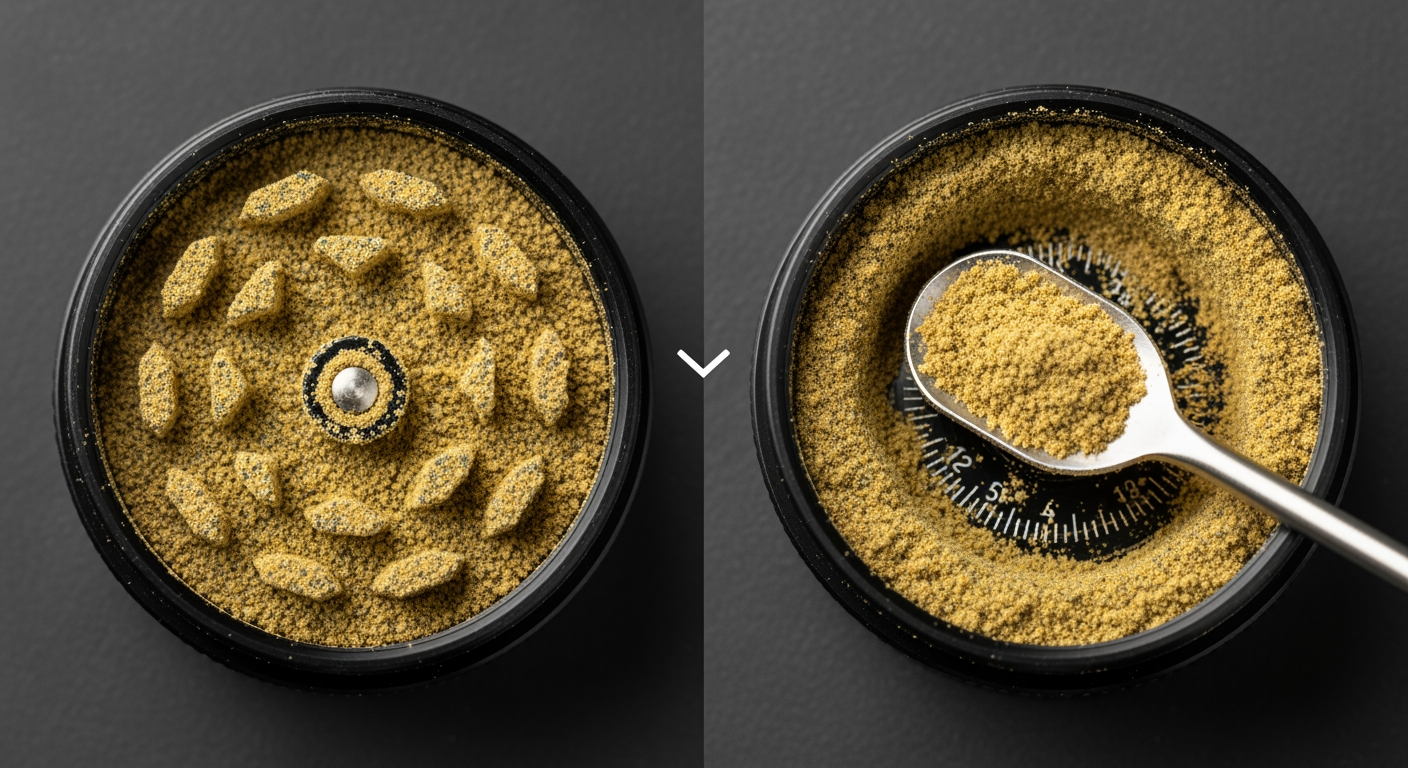
Medium Grinders (2-2.5 inch diameter): This size represents optimal balance for most customers - adequate screen area for efficient collection, reasonable kief chamber capacity, and manageable overall size. Medium 4-piece grinders accommodate 2-4 gram grinding capacity and collect visible kief from 10-15 grams processed. Stock majority of custom grinder selections in this range for broadest appeal and highest turnover.
Large Grinders (2.75-3+ inch diameter): Oversized models provide maximum screen surface area and large kief chambers suiting heavy daily users or commercial applications. The increased chamber volumes allow processing larger quantities per session and extended kief accumulation before emptying. However, size reduces portability and increases product cost. These serve specific high-volume customer segments effectively but don't suit general population. Consider large format options like big capacity grinders for customers explicitly requesting maximum performance regardless of size.
Depth and Volume Considerations: Some manufacturers create deeper kief chambers within standard diameter grinders, increasing collection capacity without expanding overall width. These designs optimize kief storage while maintaining pocketable dimensions. When comparing 4-piece options, examine kief chamber depth in addition to diameter - volume capacity varies significantly between seemingly similar-sized grinders.
Material Combinations: How Grinder Construction Affects Kief Quality
Grinder body material, chamber coatings, and surface finishes impact both kief collection efficiency and purity. Understanding these interactions helps dispensaries select and recommend optimal products.
Anodized Aluminum Chamber Surfaces: Quality aluminum grinders feature anodized interiors creating smooth, non-stick surfaces that don't contaminate kief with metal particles. Anodization also prevents oxidation that could introduce metallic tastes or discoloration to collected trichomes. Budget aluminum grinders with raw, unanodized interiors may shed microscopic aluminum particles mixing with kief. Verify anodized construction when evaluating wholesale grinder suppliers - this detail significantly impacts product quality.
Stainless Steel Purity Advantages: Medical-grade stainless steel chambers provide completely inert, non-reactive surfaces guaranteeing zero contamination of collected kief. Steel's hardness also prevents surface wear that creates metal dust in aluminum alternatives over extended use. For customers seeking absolute purity or planning multi-year heavy use, stainless steel construction justifies premium pricing through superior material properties.
Coating and Surface Treatment Quality: Some manufacturers apply additional surface treatments (Teflon-style coatings, ceramic finishes) claiming improved kief collection and reduced sticking. Evaluate these claims carefully - poor-quality coatings can flake or chip, contaminating kief with coating particles. Premium coatings from reputable manufacturers do reduce material adhesion, but unproven treatments from unknown suppliers may create more problems than benefits.
Magnetic Lid Impact on Chamber Seal: Four-piece grinders with magnetic lids create better seals reducing material loss and maintaining chamber separation integrity. Threaded-only lids may develop gaps as threading wears, allowing kief chamber contents to escape into middle chambers or creating dust leakage during transport. Magnets don't wear like threads, maintaining consistent seal quality throughout product life. This detail provides tangible benefit justifying price differences customers can understand.
Common Kief Collection Problems and Solutions
Customer complaints about kief collection performance often stem from correctable issues rather than defective grinders. Teaching staff to diagnose and solve these problems builds customer loyalty while preventing unnecessary returns.
Minimal or No Kief Collection: Most commonly caused by insufficient material processing through grinder - customers expect visible kief after grinding 2-3 grams when realistic accumulation requires 10-15+ grams. Other causes include over-moist flower where trichomes don't separate, extremely low-trichome strains, or clogged screens from poor maintenance. Diagnose by asking quantity ground, flower quality assessment, and screen condition inspection. Solutions include patience, flower moisture adjustment, or screen cleaning rather than grinder replacement.
Green or Plant-Contaminated Kief: Indicates over-grinding producing plant powder fine enough to pass through mesh, or stretched/damaged screens with enlarged openings allowing plant particles through. Evaluate customer grinding technique first - if they report 20+ rotation cycles, educate about stopping at medium consistency. If technique seems appropriate, inspect screen for damage, stretching, or tears requiring replacement. Budget grinders with poor screen tension often develop this problem within months while quality alternatives maintain purity for years.
Screen Clogging and Reduced Collection Over Time: Natural accumulation of fine plant material and compacted trichomes gradually blocks mesh openings, reducing collection efficiency. Solution involves screen cleaning with isopropyl alcohol and soft brush to clear mesh. Educate customers about quarterly screen maintenance preventing severe clogging. Dispensaries should stock and recommend screen cleaning brushes creating accessory sales while ensuring customer success with original grinder purchases.
Kief Sticking to Chamber Walls: Occurs when static electricity or moisture causes collected trichomes to adhere to kief chamber sides rather than accumulating loosely. Solutions include storing grinders at moderate humidity (not extremely dry environments increasing static), allowing chambers to reach room temperature before opening (condensation from cold grinders creates sticking), and using small collection tools rather than fingers to remove kief (skin moisture exacerbates sticking). Small silicone or metal scoops sold as accessories solve this problem while generating additional revenue.
Merchandising 4-Piece Grinders: Retail Strategies for Premium Conversion
Maximizing 4-piece grinder sales requires strategic merchandising that educates customers about benefits while overcoming price objections through value demonstration.
Side-by-Side Comparison Displays: Present 2-piece, 3-piece, and 4-piece grinders together with clear signage explaining differences. Include visual aids showing chamber configurations and brief bullet points highlighting each type's benefits. This educational approach helps customers self-select appropriate complexity levels while understanding value differences. Many customers examining budget 2-piece grinders convert to 4-piece models when educated about kief collection benefits they weren't previously aware of.
Transparent or Clear-Bottom Display Models: If possible, maintain demonstration grinders with clear kief chambers showing actual accumulated kief (collected from processing hemp or CBD flower for legal display purposes). Visual proof of collection capability convinces skeptical customers more effectively than verbal descriptions. Rotate demonstration stock regularly to show multiple accumulation stages from new to well-used.
Value Calculation Signage: Create simple signs explaining kief recovery value: "Daily users recover 5-7 grams monthly = $30-50 value. This grinder pays for itself in 60-90 days while providing continuous benefits." Quantified value propositions overcome price objections by reframing purchases as investments rather than expenses. Customers understanding financial justification more readily choose premium options.
Bundle with Complementary Products: Pair 4-piece grinders with kief collection tools, custom rolling trays, and storage containers in "Complete Setup" bundles. Bundled presentation increases average transaction values while ensuring customers have all tools for successful product use. Include simple instruction cards in bundles explaining optimal kief collection techniques - this added value strengthens customer satisfaction and reduces support questions.
Customer Education Scripts: Converting Price Objections to Premium Sales
Training staff with proven response scripts helps overcome the most common objections preventing 4-piece grinder sales, converting budget shoppers to premium buyers through education rather than pressure.
When Customer Says "I Just Need Basic Grinder": "That makes sense for simplicity. Let me show you something though - this 4-piece model costs $20 more but captures trichomes that normally coat inside your grinder as waste. Daily users recover about 5-7 grams kief monthly worth $30-50, so it pays for itself in 60-90 days then keeps producing 'free' kief. Plus it stays cleaner and needs less maintenance. Want to see the difference in how it works?" [Demonstrate if customer shows interest]
When Customer Questions Kief Collection Value: "Great question. Kief is concentrated trichomes - typically 40-60% THC versus 15-25% in regular flower. You can top bowls or joints making normal flower much stronger, or use it standalone. It's basically free concentrate from material you're already grinding. Even if you only check your kief chamber monthly, it's satisfying seeing accumulated trichomes you'd otherwise waste. Most customers who try 4-piece grinders tell me they'd never go back to basic models."
When Customer Has Budget Constraints: "I completely understand budget considerations. Here's how I'd think about it - a basic $25 grinder works fine and saves money upfront. This $45 4-piece model costs $20 more but recovers $30-50 monthly in kief you'd otherwise lose. If you use it at least a few months, the recovered value exceeds the extra cost, plus you get better grinder that's easier to clean. But if $25 is the budget, these basic options absolutely work and we'll make sure you get a quality one." [Respect stated budget while providing information for informed decision]
When Customer Wants "Best" Grinder: "For maximum kief collection and overall performance, you want a 4-piece grinder with quality metal construction and precision mesh screen. This [premium model] uses aircraft-grade aluminum with stainless steel screen that won't stretch or degrade. The tooth design grinds efficiently, and the chamber sizing gives you excellent kief capacity. At [$], it's a investment, but customers using it daily for years consider it the best value compared to replacing cheaper grinders every 6-12 months. Let me show you how the screen and chambers work..."
Maintenance and Longevity: Maximizing 4-Piece Grinder Performance
Proper maintenance significantly extends kief collection efficiency and overall grinder lifespan. Education about care requirements sets appropriate expectations while creating accessory sales opportunities.
Screen Cleaning Frequency: Recommend screen cleaning every 4-8 weeks depending on usage intensity. Regular cleaning prevents severe mesh clogging that reduces collection efficiency and eventually becomes difficult to reverse. Simple 20-minute isopropyl alcohol soak with soft brush agitation restores screens to near-new performance. Dispensaries should demonstrate this process during grinder sales and stock cleaning supplies conveniently for customer purchase.
Kief Chamber Emptying Best Practices: Educate customers to periodically empty kief chambers before excessive accumulation compacts trichomes at bottom into hardened pucks difficult to remove. Every 2-4 weeks for daily users prevents this compaction while allowing satisfying collection viewing. Provide or sell small scoops and funnels making transfer to storage containers clean and efficient. These simple tools prevent kief loss during transfer and create better user experience.
Threading and Seal Maintenance: Accumulated residue in threading where chambers screw together creates grinding and sticking reducing user satisfaction. Clean threading every 3-4 weeks using cotton swabs with isopropyl alcohol. Light food-grade oil application on threads after cleaning reduces wear and maintains smooth operation - only needed every 2-3 months. This simple maintenance extends grinder lifespan significantly while maintaining pleasant user experience.
Screen Replacement Timing: Even quality screens eventually degrade through use - expect replacement needs after 12-24 months heavy use or 2-3+ years moderate use. Indicators include persistent clogging despite cleaning, visible tears or holes, or loose screen edges. Stock replacement screens for popular grinder brands and proactively mention availability during original sales. Customers knowing screens are replaceable view grinders as longer-term investments justifying higher initial pricing.
Conclusion: 4-Piece Grinders as Dispensary Profit Centers and Customer Value
Four-piece grinders with kief catchers represent optimal intersection of customer value and dispensary profitability - premium pricing creates superior margins while functional benefits genuinely improve user experience and satisfaction. Success requires moving beyond simply stocking 4-piece options to actively educating customers about trichome separation mechanics, collection optimization, and value quantification that justifies pricing differences.
Dispensaries investing in staff education about kief collection science, screen specifications, and use optimization create competitive differentiation through knowledge-based selling rather than just price competition. Customers receiving detailed explanations about how and why 4-piece grinders work become informed buyers making confident premium purchases versus hesitant budget shoppers.
The ongoing satisfaction customers experience watching kief accumulate over weeks and months creates positive brand associations and loyalty that extends far beyond initial purchase. This emotional connection combined with practical utility makes 4-piece grinders gateway products for building long-term customer relationships and demonstrating dispensary commitment to customer success.
Ready to expand your dispensary's premium grinder program with quality 4-piece models that deliver both customer satisfaction and healthy margins? Explore MunchMakers' complete 4-piece grinder collections featuring precision stainless steel screens, quality construction, and custom branding options designed specifically for dispensaries building reputation through product excellence and customer education.