
How to Clean a Grinder: Complete Maintenance Guide 2025
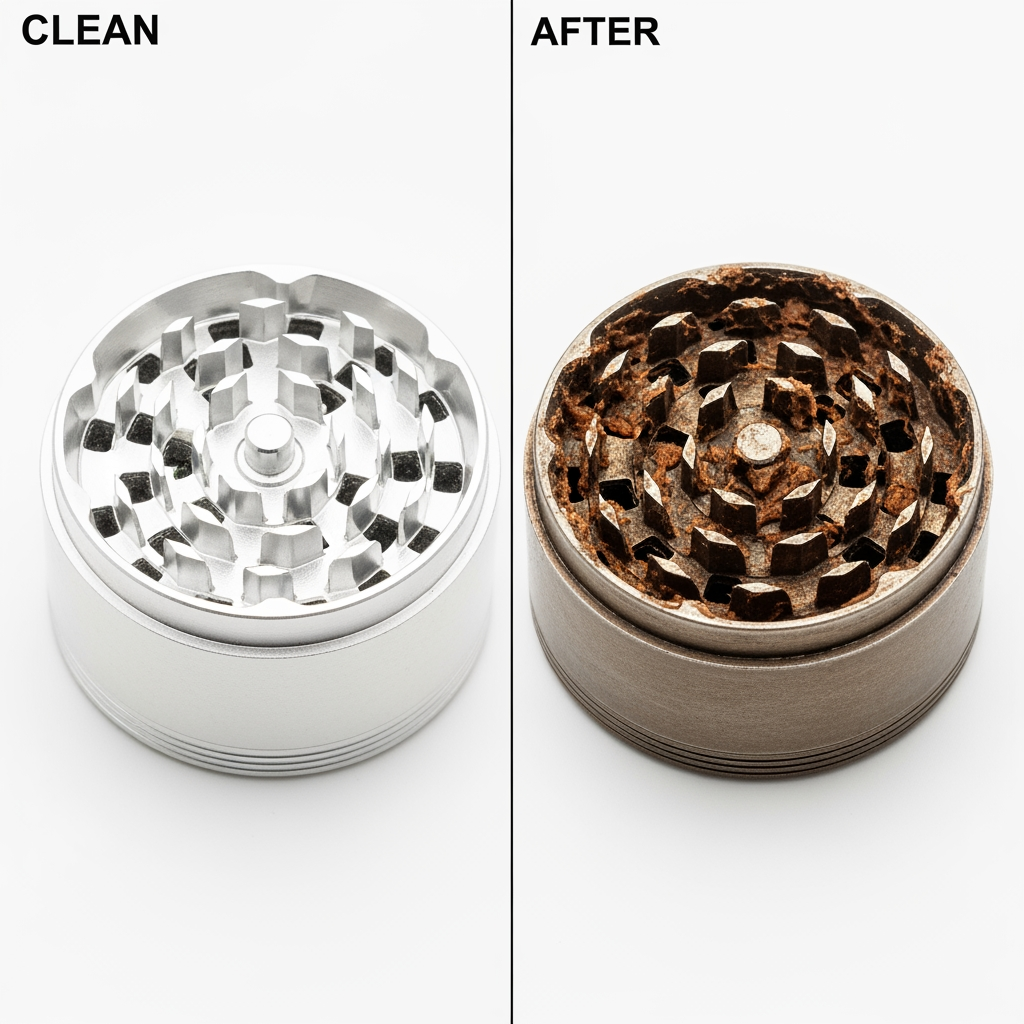
How to Clean a Grinder: The Complete Professional Maintenance Guide
Proper grinder maintenance directly impacts customer satisfaction, product performance, and repurchase cycles - making grinder cleaning education a valuable dispensary customer service that drives accessory sales and builds loyalty. Understanding professional cleaning methods for different grinder materials, optimal maintenance frequencies, and common mistakes helps dispensaries educate customers while positioning replacement grinders and complementary accessories as solutions to performance degradation.
This comprehensive guide examines proven grinder cleaning techniques for aluminum, titanium, and steel grinders, identifies when cleaning no longer restores performance and replacement becomes necessary, and provides dispensary staff with customer education scripts that convert maintenance questions into accessory sales opportunities. Whether customers ask about sticky grinders, diminished kief collection, or general performance issues, this guide equips your team with expert answers that demonstrate product knowledge and build trust.
Why Regular Grinder Cleaning Matters: Performance and Longevity Benefits
Many customers don't realize grinder cleaning significantly impacts functionality until performance degradation becomes severe. Educating customers on cleaning benefits positions your dispensary as a knowledgeable resource while creating natural opportunities to sell cleaning accessories and replacement grinders.
Grinding Efficiency and Consistency: Residue buildup on teeth and chamber walls causes uneven grinding, with sticky sections producing clumps while clean areas over-process material into powder. Clean grinders deliver consistent medium-fine grind texture optimal for rolling and vaping. Customers experiencing grind quality issues often need cleaning education rather than new grinders - addressing this first builds trust that leads to purchases when replacement genuinely becomes necessary.
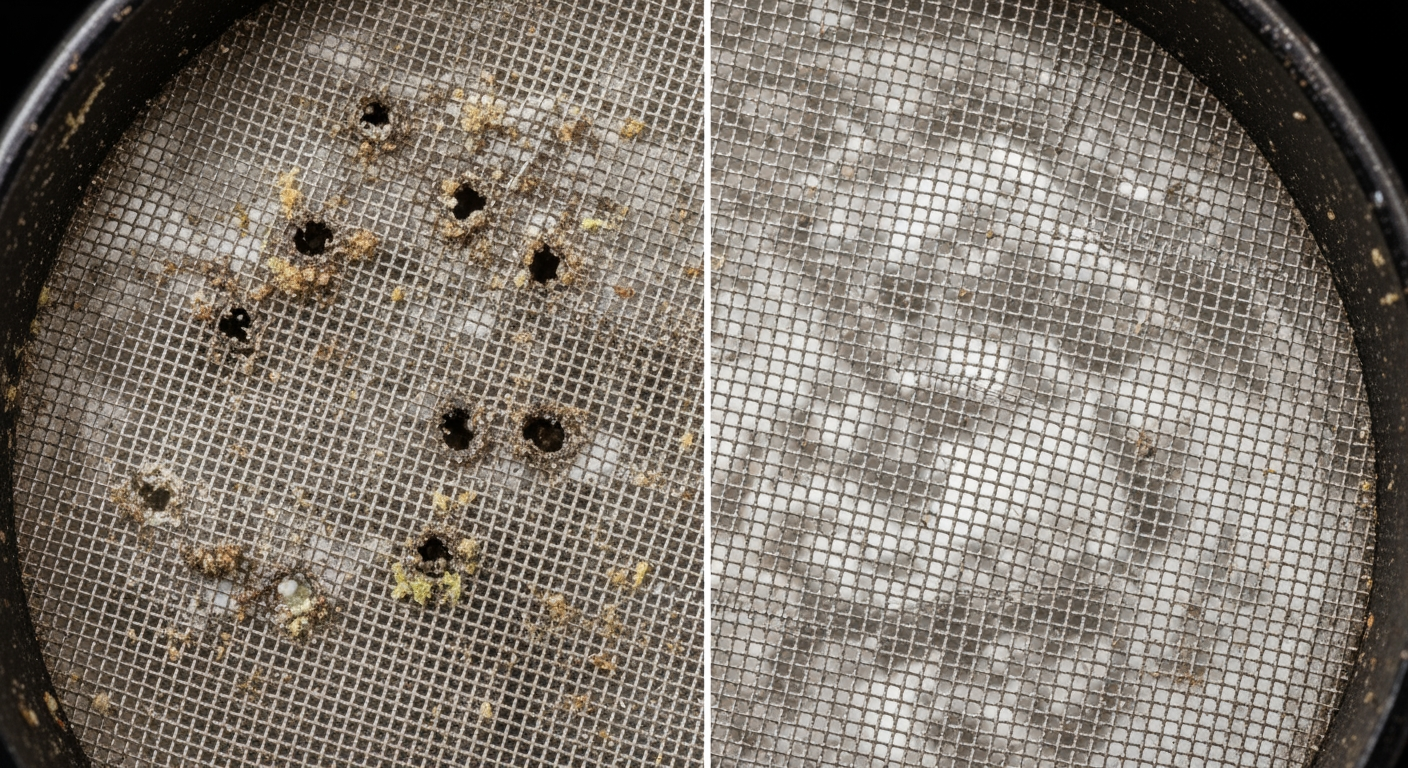
Kief Collection Optimization: Screen mesh clogs with fine plant material and trichome heads, dramatically reducing kief catchment in 4-piece grinder bottom chambers. Regular cleaning can restore kief collection to 80-90% of original performance. Customers complaining about reduced kief output often just need screen cleaning - solving this problem through education creates loyal customers who return for future purchases.
Smooth Threading and Operation: Accumulated residue in threading and along chamber edges creates grinding and sticking when rotating grinder sections. This friction accelerates wear on threading and reduces overall product lifespan. Clean grinders operate smoothly with minimal effort - demonstrating this difference in-store helps customers understand value of both cleaning and investing in quality custom grinders worth maintaining.
Hygiene and Flavor Purity: Old residue oxidizes and degrades over time, potentially introducing off-flavors to freshly ground material. Regular cleaning ensures customers taste their flower's natural terpene profile rather than accumulated residue. Quality-conscious customers particularly value this benefit and respond well to education emphasizing flavor preservation.
Material-Specific Cleaning Methods: Aluminum Grinder Care
Aluminum grinders represent 70-80% of market share and require specific cleaning approaches that preserve anodized finishes while effectively removing residue. Understanding these methods helps dispensary staff provide accurate customer guidance.
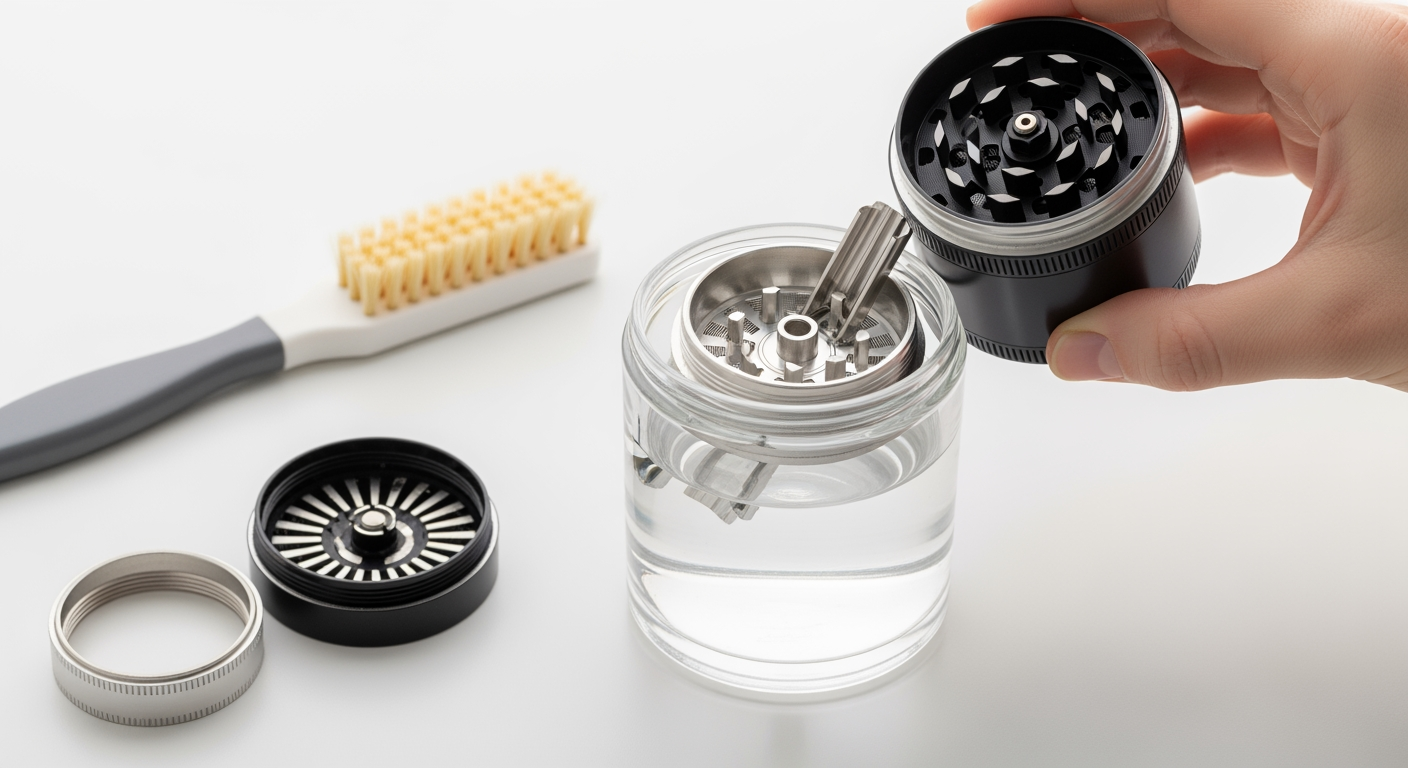
Isopropyl Alcohol Soak Method: The most effective aluminum grinder cleaning uses 90%+ isopropyl alcohol. Disassemble grinder completely and place components in container or resealable bag filled with isopropyl alcohol. Soak 20-30 minutes for moderate buildup or 1-2 hours for severe residue. The alcohol dissolves sticky resin and trichomes without damaging anodized surfaces. After soaking, use soft brush (old toothbrush works perfectly) to remove loosened residue, then rinse thoroughly with warm water and dry completely before reassembly.
Freezer Pre-Treatment for Heavy Buildup: For severely gunked grinders, freeze for 30-60 minutes before alcohol soaking. Freezing makes sticky resin brittle and easier to break free from aluminum surfaces. After freezing, tap grinder firmly over paper or tray to dislodge frozen chunks, then proceed with alcohol soak. This two-step method handles even worst-case scenarios without harsh scraping that damages teeth or threading.
Toothpick and Brush Detail Work: After alcohol soaking, wooden toothpicks safely remove stubborn residue from between teeth, threading grooves, and screen mesh without scratching aluminum. Avoid metal tools (needles, picks, knives) which scratch anodized surfaces and create rough patches where future residue adheres more readily. Soft-bristle brushes clean teeth surfaces and chamber walls - dispensaries can sell small brush kits as cleaning accessories with 200-300% margins.
What NOT to Do with Aluminum Grinders: Never use harsh chemical cleaners, acetone, or caustic solutions which damage anodized finishes and potentially leave harmful residues. Avoid dishwashers - high heat and harsh detergents degrade anodization and can warp aluminum components. Don't use abrasive scrubbing pads or steel wool which scratch surfaces extensively.
Stainless Steel and Titanium Grinder Cleaning Protocols
Premium metal grinders require different care than aluminum - their durability allows more aggressive cleaning methods while their material properties prevent certain issues common to aluminum.
Boiling Water Deep Clean Method: Stainless steel and titanium grinders tolerate boiling water cleaning that would damage aluminum. Disassemble completely and place components in pot of boiling water for 5-10 minutes. The heat liquefies sticky residue for easy removal. After boiling, use tongs to remove components (they'll be very hot), brush away softened residue, rinse with cool water, and dry thoroughly. This method works especially well for large capacity grinders where manual scrubbing would be time-intensive.
Alcohol Soak Alternative: Isopropyl alcohol works equally well on steel and titanium as aluminum, providing a room-temperature cleaning option when boiling isn't practical. These premium metals won't react with alcohol or show any finish degradation from extended soaking. Some users soak steel/titanium grinders overnight for maximum effectiveness without concern for material damage.
Ultrasonic Cleaning for Premium Grinders: Customers with high-end titanium or medical-grade steel grinders sometimes invest in small ultrasonic cleaners (available for $30-$50). These devices use high-frequency sound waves to dislodge residue from every microscopic surface area. While overkill for most users, serious enthusiasts appreciate this recommendation for their premium grinders. Dispensaries serving high-end customer segments can mention this option when discussing care for $100+ grinders.
Stainless Steel Rust Prevention: Lower-grade stainless steel can develop surface oxidation if not dried thoroughly after wet cleaning. Always dry steel grinders completely and immediately after water or alcohol cleaning. Store in low-humidity environments and consider light food-grade mineral oil application on threading for long-term storage (wipe clean before use). Premium 316 stainless and titanium grinders don't rust, but budget steel options require this extra care.
Screen Cleaning: Restoring Kief Catcher Performance
The kief screen presents unique cleaning challenges - it must be cleaned gently to avoid damage while thoroughly enough to restore mesh openings for optimal trichome collection. Many customers don't realize simple screen maintenance can restore kief collection without buying new grinders.
Isopropyl Alcohol and Brush Method: Remove screen from grinder (if possible) and place in shallow dish with 90% isopropyl alcohol. Let soak 15-20 minutes, then use soft-bristle brush (toothbrush or small paintbrush) to gently scrub both sides of screen. Brush in multiple directions to clear mesh openings. Hold screen up to light source - you should see light passing through mesh openings clearly. If sections remain opaque, repeat alcohol soak and brushing. Rinse thoroughly with water and dry completely before reinstalling.
Freezer and Tap Technique for Screens: Freeze screen for 20-30 minutes until thoroughly cold. Remove and firmly tap against hard surface over paper towel or tray. Frozen plant material and trichomes break free from mesh and fall through. This mechanical cleaning complements alcohol soaking - many users combine both methods for maximum effectiveness. The frozen material that falls through is high-quality kief that was trapped in the mesh - collect and use it rather than discarding.
Toothpick Back-Flushing: For stubborn clogged mesh sections, gently work wooden toothpick from clean side (bottom) pushing up through mesh holes to dislodge compacted material. This technique requires patience and gentle pressure - forcing toothpicks through mesh can stretch or tear openings, permanently damaging the screen. Only use this method as last resort before screen replacement.
When to Replace Screens vs. Clean: Screens eventually wear out - mesh stretches, tears develop, and structural integrity degrades. If cleaning no longer restores light visibility through mesh, or if you notice tears or loose screen edges, replacement becomes necessary. Many quality grinders offer replacement screen kits for $5-$10, extending grinder lifespan years beyond original screen life. Dispensaries stocking replacement screens for popular grinder brands create convenient cross-sell opportunities.
Cleaning Frequency Recommendations by Usage Level
Optimal cleaning schedules vary dramatically based on usage frequency and material processed. Educating customers on appropriate maintenance timing prevents both premature wear from over-cleaning and performance degradation from neglect.
Daily Users (1-3+ grams per day): Heavy users should clean grinders every 2-3 weeks to maintain optimal performance. At this usage level, residue accumulates rapidly and impacts grinding quality noticeably. Many daily users keep two grinders in rotation - using one while the other soaks in alcohol for cleaning - ensuring always having a clean grinder available. This creates natural opportunities to sell customers a second custom grinder as part of their rotation system.
Regular Users (0.3-1 gram per day): Moderate users typically need cleaning every 4-6 weeks. At this frequency, residue buildup becomes noticeable in grinding resistance and kief collection reduction but hasn't yet created severe performance problems. Monthly cleaning routines work well for this user segment.
Occasional Users (a few times per week): Light users can extend cleaning intervals to 8-12 weeks or even quarterly. Lower usage creates minimal buildup and performance remains acceptable for extended periods. However, these users should still clean at least 2-3 times annually to prevent long-term residue hardening that becomes difficult to remove.
Material Type Impact on Cleaning Frequency: Processing sticky, resinous flower requires more frequent cleaning than dry material. Customers primarily using concentrates or pressing rosin from kief may need to clean screens more frequently but chambers less often. Educate customers to adjust cleaning schedules based on their specific usage patterns and material characteristics.
Common Grinder Cleaning Mistakes That Cause Damage
Improper cleaning techniques cause more grinder damage than normal wear in many cases. Teaching customers what NOT to do prevents damage that necessitates premature replacement and demonstrates your expertise as a knowledgeable resource.
Using Metal Tools for Scraping: Scraping residue with knives, metal picks, or other hard implements scratches grinder surfaces extensively. These scratches create rough patches where residue adheres more readily, actually worsening future buildup. Scratched teeth also grind less efficiently as they lose their precision-cut edges. Always emphasize wooden tools (toothpicks) or soft brushes for residue removal.
Incomplete Drying After Wet Cleaning: Reassembling grinders while still damp traps moisture that can cause oxidation (in steel), water spots, or residue to stick more readily to wet surfaces. Always dry components completely - air dry for several hours or use clean cloth to hand-dry, then allow to sit for 30-60 minutes ensuring all moisture evaporates before reassembly.
Harsh Chemical Cleaners: Customers sometimes try household cleaners, degreasers, or other chemical products thinking "stronger is better." These chemicals can damage anodized finishes, leave harmful residues, and create safety concerns for products used with inhaled material. Stick with isopropyl alcohol 90%+ or simple boiling water for safe, effective cleaning without chemical risks.
Over-Aggressive Screen Cleaning: Scrubbing screens too hard or using stiff-bristle brushes stretches mesh and enlarges openings, allowing plant material to pass through to kief chamber. This ruins screen functionality and cannot be repaired. Always use soft brushes with gentle pressure when cleaning screens, prioritizing patience over aggressive scrubbing.
Neglecting Threading Cleaning: Many users clean chambers and teeth but ignore threading where components screw together. Residue buildup in threads causes grinding, sticking, and accelerated wear. Always clean threading thoroughly with alcohol-soaked cotton swabs or small brushes during every cleaning session.
When Cleaning No Longer Works: Recognizing Replacement Indicators
Eventually all grinders reach end-of-life where cleaning no longer restores acceptable performance. Recognizing these indicators helps dispensary staff guide customers toward replacement purchases at appropriate times rather than continuing frustrating maintenance attempts.
Damaged or Broken Teeth: Bent, broken, or missing teeth cannot be repaired and dramatically reduce grinding effectiveness. If cleaning reveals structural tooth damage, replacement becomes necessary. This often occurs in budget grinders with softer metals or poor manufacturing quality - good opportunity to recommend upgrading to premium custom grinders that last longer.
Stripped or Cross-Threaded Components: Threading damage from over-tightening, drops, or debris causes components to not screw together properly. Cross-threading and stripped threads cannot be fixed and compromise grinder functionality. When customers describe threading issues, examine the grinder - if cleaning doesn't resolve the problem, threading damage requires replacement.
Warped or Misaligned Chambers: Drops or impacts can warp aluminum chambers so they no longer align properly, creating gaps where material escapes or preventing smooth rotation. Warping also commonly results from dishwasher heat exposure. Warped chambers cannot be straightened and necessitate replacement.
Irreparably Damaged Screens: Torn, stretched, or permanently clogged screens that don't respond to cleaning require replacement. If replacement screens aren't available for that grinder model, customers need new grinders to restore kief collection functionality. Many customers with older grinders choose replacement over screen sourcing - position this as opportunity to upgrade to improved designs with better screen access for future maintenance.
Cost-Benefit Analysis: Help customers evaluate replacement versus continued maintenance on problematic grinders. A $15 budget grinder requiring extensive cleaning effort every week costs more in time than investing in a quality $40-60 grinder that cleans easily and lasts years. This value conversation justifies premium grinder recommendations and builds customer appreciation for your consultative approach.
Grinder Cleaning Product Recommendations and Upsell Opportunities
Converting maintenance questions into accessory sales requires stocking appropriate cleaning products and training staff to recommend them naturally during customer education conversations.
Isopropyl Alcohol Bottles: Stock 90%+ isopropyl alcohol in 4-8oz bottles at point-of-sale near grinder displays. Mark these "Grinder Cleaning Solution" with simple instructions. Wholesale cost runs $1-2 per bottle with retail pricing at $5.99-$7.99, creating excellent margins on products customers need regularly. Many customers don't realize high-percentage isopropyl differs from drugstore 70% versions - educate about effectiveness differences.
Small Brush Kits: Sell "Grinder Cleaning Brush Sets" featuring soft-bristle brushes in multiple sizes for $6.99-$9.99. Wholesale brush sets cost $2-3 and solve customer need while generating profit. Position near grinders and at checkout with signage explaining use for maintenance. Customers buying new grinders readily add brushes when you explain maintenance importance during sale.
Cleaning Soak Containers: Small glass jars or silicone containers marketed as "Grinder Soak Stations" wholesale for $2-4 and retail at $9.99-$14.99. These purpose-built products feel more premium than improvising with household containers and create another margin opportunity from basic cleaning needs. Consider private-labeling or branding these items for additional differentiation.
Complete Maintenance Kits: Bundle alcohol, brushes, and container together as "Complete Grinder Care Kit" at $19.99-$24.99 (versus $21+ individual pricing). Bundling increases average transaction value while providing customer convenience. Create simple instruction cards explaining cleaning process to include in kits - this added value justifies bundle pricing while ensuring customers clean properly.
Customer Education Scripts: Converting Maintenance Questions into Sales
Training staff with proven response scripts ensures consistent, helpful customer education that builds trust while creating natural sales opportunities.
When Customer Asks About Grinder Cleaning: "Cleaning makes a huge difference in performance. The most effective method uses 90% isopropyl alcohol - just disassemble your grinder, soak the parts for 20-30 minutes, brush away the loosened residue with a soft brush, rinse with water, and dry completely. We actually stock cleaning kits with everything you need if you want to grab supplies while you're here. Would you like me to show you those options?"
When Customer Complains About Grinder Performance: "That sounds like residue buildup. Let me ask - when did you last clean it? [Listen to response] Got it. A thorough cleaning will likely restore it to like-new performance. Let me show you the cleaning method that works best... [explain process]. Now, if you clean it and still have issues, that might indicate wear or damage where replacement makes sense. But cleaning solves most performance problems customers describe, so start there. Want to grab cleaning supplies today?"
When Customer Mentions Reduced Kief Collection: "Kief screens clog over time with fine plant material and trichome heads. Cleaning the screen usually restores collection to near-original levels. The method that works best is [explain screen cleaning process]. If you clean the screen and still don't see improvement, the mesh might be torn or permanently stretched, which means you'd need a new grinder. But cleaning fixes this issue about 80% of the time. We have screen cleaning brushes that make it much easier - want to add one?"
When Customer Has Clearly Damaged Grinder: "Looking at this [broken teeth/stripped threading/torn screen], this is beyond what cleaning can fix. At this point, replacement makes more sense than trying to maintain a damaged grinder. Since you're replacing anyway, can I show you some upgraded options? We have premium grinders that handle the same problems better through improved designs and materials, plus they're actually easier to clean and maintain. Let me show you a few options in your price range."
Building a Grinder Maintenance Education Program
Dispensaries that proactively educate customers about grinder maintenance build reputation as knowledgeable resources while creating ongoing accessory revenue streams. Implementing systematic education programs differentiates your business from competitors treating accessories as afterthoughts.
Instructional Signage at Grinder Displays: Create simple visual guides showing basic cleaning steps positioned directly at grinder merchandising areas. QR codes linking to detailed video tutorials provide additional resources while tracking customer engagement. Signage positioning your dispensary as "Your Cannabis Education Resource" builds brand differentiation beyond just product sales.
Post-Purchase Follow-Up: Text or email customers 3-4 weeks after grinder purchases with cleaning reminders and maintenance tips. Include links to cleaning product pages and special offers on maintenance supplies. This follow-up demonstrates customer care while generating additional sales from the existing customer base. Automated systems make this scalable across large customer populations.
In-Store Demonstrations: Train staff to offer quick cleaning demonstrations during slow periods or upon customer request. Demonstrating on an actual dirty grinder shows dramatic before/after differences that verbal explanations can't match. Customers seeing the cleaning effectiveness often purchase both cleaning supplies and upgraded replacement grinders simultaneously.
Seasonal Maintenance Promotions: Run "Spring Grinder Cleaning" or "New Year Grinder Refresh" promotions bundling cleaning supplies at discounted rates. Time these campaigns when customers naturally think about maintenance and fresh starts. Promotion periods create urgency around maintenance that might otherwise be indefinitely postponed.
Conclusion: Grinder Maintenance as Customer Service Strategy
Grinder cleaning education represents high-value customer service that costs your dispensary nothing while building loyalty, demonstrating expertise, and creating accessory sales opportunities. Customers receiving helpful maintenance guidance remember that knowledge and choose your dispensary over competitors for future purchases.
The most successful dispensaries recognize that answering "how do I clean my grinder" questions with genuine helpful information - rather than just pushing replacement sales - builds long-term customer relationships that drive lifetime value far exceeding any single transaction. Those same well-educated customers eventually upgrade to premium grinders and purchase complementary accessories because they trust your recommendations and product knowledge.
Implementing systematic grinder maintenance education - through staff training, point-of-sale materials, cleaning product merchandising, and follow-up communications - positions your dispensary as a knowledgeable partner in customers' cannabis experiences rather than just a retail transaction point.
Ready to enhance your dispensary's accessory program with premium grinders worth maintaining and cleaning products that support customer success? Explore MunchMakers' complete grinder collections, maintenance accessories, and custom branding solutions designed for dispensaries building comprehensive customer education programs that drive both satisfaction and profitability.